Navigating The Valleys Of Our Lives
Embracing Life's Valleys: Finding Meaning, Growth, and Resilience in the Difficult Seasons

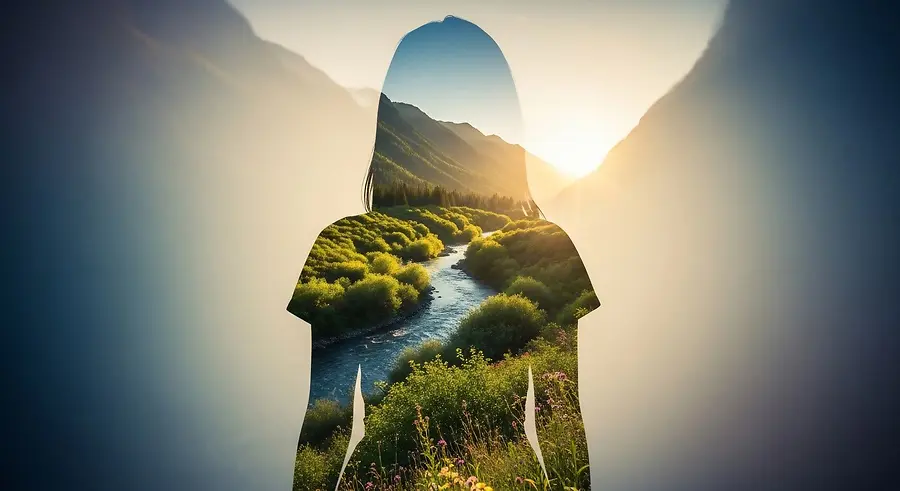
Being educated, experienced, and professional does not make us immune to challenge and struggle. Women are resilient by nature—biologically wired to survive and thrive in the toughest of places. Despite this wiring, life’s challenges and struggles can bring us to a place of feeling helpless and hopeless.
We will not experience these things just once. We will not solve one struggle and then forever thrive. We will find ourselves on summits repeatedly—and this also means we will find ourselves in many valleys. The valleys of our lives can include illness or disease, loss, life changes we didn’t want or ask for, identity changes, shifts in life direction, path changes, or being told we are not able to reach a certain summit, and more.
We are programmed as a culture to always chase the summit, the dream, the growth opportunity, and success. We want to feel on top, at our best, and achieving. Who wouldn’t? Our society breeds this addiction to summits, and social media reinforces the belief that this is constant—that if you are not always at the summit, you are failing or not trying hard enough. We are programmed to resist the valleys.
The truth is, this is not realistic or sustainable—to always chase a summit or remain at the summit in our lives. What if, instead of resisting the valleys of our lives, we learned to turn toward them and embrace them? What if we could welcome them in like an old friend, open to learning something new? What if this time in the valley could mean rest, respite, reflection, growth, mentoring, stillness, and community connection?
We gain a lot from chasing summits and achieving what comes with them. But what if we could see the valleys of our lives in the same way? We are not trying to “fix” this experience—fixing suggests something is wrong, rather than something that is expected and part of the journey. We have skills we can use to make the valleys of our lives just as rich as achieving summits. We can make this time just as meaningful and enriching. It may even make our summits that much more meaningful.
Some skills we can use to navigate the valleys of our lives include:
- Taking time to connect with others. Being in a valley gives us the time and stability to reach out. We can support others and be supported. When we are constantly climbing, we do not have space for true, vulnerable connection. In the valleys, we are able to honor our biological need for connection and support.
- Practicing mindfulness and presence. When we are chasing a summit or goal, we are consistently looking ahead and planning next steps. We rarely have time to take things in and notice what exists in the present moment. Being in the valley allows us to slow down, ground ourselves, and connect with what we often miss—loving gestures, nature, new encounters, moments of gratitude, and what is already going well. Presence is a powerful antidote to emotional chaos. It allows the “snow globe” in our minds to settle and reset.
- Clarifying what we truly want. The valley gives us space to assess our direction. Do we actually feel aligned with where we are heading? Are we pursuing this for ourselves, or because of external expectations and societal rules? Valleys give us time to reflect, and also permission to change our minds. As we grow, our plans should evolve with us.
- Opportunities for new learning. Summits are small and can only hold so much, but valleys are vast and expansive. Valleys give us space for curiosity and discovery. Our brains thrive on creativity and learning, and valleys support this natural need.
- Regaining a sense of grounding and certainty. In the valley, there is steady ground beneath our feet and a clearer view of the horizon. While it is not healthy to always demand certainty, it can be grounding during uncertain times. Stability helps us prepare for future challenges and navigate the unknown with greater resilience.
- Building resilience through oscillation. Moving between valleys and summits builds flexibility and emotional strength. Research in mental health shows that resilience increases our capacity for joy and reduces vulnerability to distress. Navigating life transitions strengthens neural pathways that support growth, adaptability, and success.
Being in the valley is also an opportunity to notice the gifts present in everyday life. There are not only gifts in achievement and outcomes—there are many gifts in the ordinary moments we often overlook. We spend much of our lives in the valleys, and this is no coincidence. Research on gratitude shows that cultivating genuine appreciation, even in difficult seasons, increases psychological flexibility and well-being. It requires vulnerability and intentional reflection, especially when life feels challenging.
Lastly, we need to find meaning. Research shows that experiencing purpose significantly improves mental health. Instead of resisting where you are, ask: What might be right about this moment? What could this be leading me toward that I could not have planned or imagined? What opportunity might be hidden here?
We do not have to be subject to the wind—we can learn to navigate the changing weather and move with it. The weather will come whether we want it or not. The question is: how can we work with it to become our best selves rather than resist it?
We may just arrive at a summit we never could have dreamed or imagined.