At Home Soigné Condiments
Elevate Your Kitchen with Three Essential Homemade Condiments

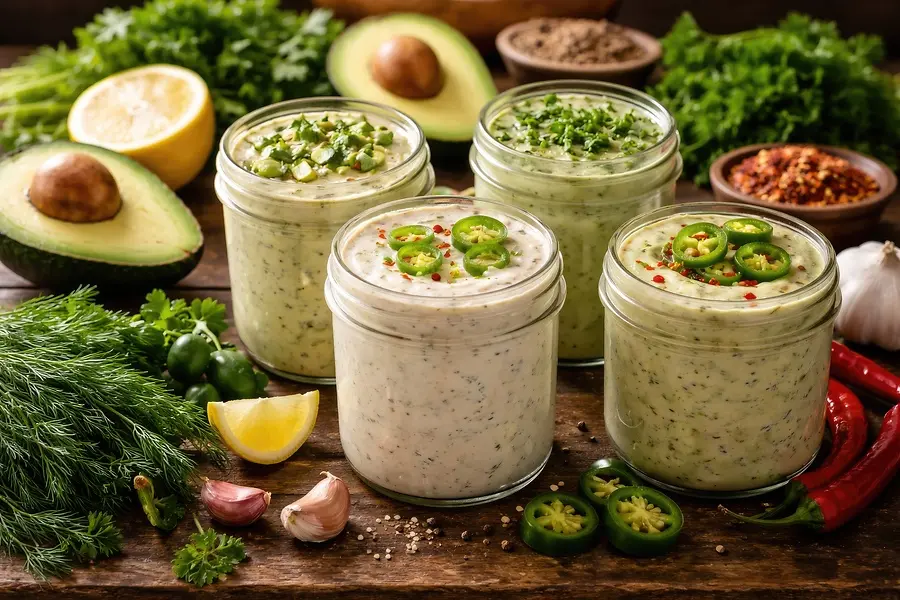
At Home Soigné Condiments
From classics to modern novelties, condiments are an essential part of the kitchen. Condiments embellish nearly anything—fish, poultry, red meats, sandwiches, chips, or crudités. Literally anything. Many condiments are complementary to one another, serving as a base for many sauces.
First, what is a condiment? A condiment is a flavor enhancement to food. While spices and herbs are also flavor enhancers, I did not include salt, pepper, or honey in this list. However, I did include oils and vinegar. I will admit, this list was harder to create than I expected.
My favorite condiments vary from the norm. For example, I currently have five different types of mustard in my fridge. They are all essential and serve a delicious purpose. Some condiments are store-bought, others are soigné-made. In no particular order of importance, the following is the At Home Soigné list of essential condiments.
Pesto
This sauce, originating in Genoa, Italy, is my favorite condiment to make. Traditionally, it consists of crushed garlic, pine nuts, salt, basil leaves, and Parmigiano-Reggiano blended together with olive oil. However, creating variations of this classic (especially when basil is out of season) has become a favorite pastime. Cleverly substituting mint and pistachios, or nasturtium flowers and cashews, is easy, flavorful, fun, and soigné.
Pesto comes from the Italian word pestare, which means “to crush” or “to pound.” Before the food processor was invented, pesto was made by pounding ingredients together in a mortar and pestle. I do recommend using a food processor—if you have one—for this condiment.
Basil grows prolifically during the summer, and I buy it by the ounce at the farmer’s market. Below is a recipe for classic fresh basil pesto.
Classic Fresh Basil Pesto (Serves 4)
Produce
- 2 generous cups fresh basil (can be substituted with mint, nasturtium flowers with greens, or arugula)
- 3 cloves fresh garlic, minced (about 3 tablespoons)
Baking & Spices
- Salt and pepper, to taste
Dairy
- ½ cup freshly grated Romano or Parmesan cheese (about 2 oz)
Nuts
- ⅓ cup pine nuts (can be substituted with pistachios, walnuts, or cashews)
Oils
- ½ cup extra virgin olive oil
Place pine nuts and basil into a food processor and pulse several times. Add garlic and cheese and pulse again. Scrape down the sides as needed. In a slow, steady stream, pour in olive oil while the processor is running. Adding the oil slowly helps emulsify the mixture and prevents separation. Stop occasionally to scrape the sides as necessary. Fold in salt and pepper to taste.
Voilà!
Toss your pesto with pasta, add a dollop to a baked potato, or spread it on toast.
Horseradish
Horseradish may be one of the most underrated root vegetables. I first noticed it at a farmer’s market. It is not the prettiest vegetable, but it is pungent, medicinal, and its greens are edible as well.
Horseradish is made by grinding the light-colored root. This should not be confused with horseradish sauce, which is actually very easy to make. Sometimes I grate beet juice into my horseradish for color and sweetness—but only on special occasions.
Below is a classic horseradish recipe.
Horseradish (Serves 4)
Produce
- 1 lb fresh horseradish root (one root will do)
- 1 lemon
- 1 beet (optional)
Baking & Spices
- Salt and pepper, to taste
Oils & Vinegar
- ½ cup white vinegar
If adding beet for color and sweetness, roast it beforehand in olive oil for 20 minutes wrapped in foil. Peel and grate the horseradish root into a medium bowl. Before juicing the lemon, zest about 1 tablespoon and add it to the bowl. Mix in lemon juice and white vinegar. If using beet, allow it to cool, then grate and add it in after the horseradish. I suggest wearing gloves, as beets can stain.
Ketchup
Ketchup is a thick, tomato-based sauce. It is one of those condiments people either love or hate. To me, it is as American as apple pie.
Most mass-marketed ketchups are overly tangy and use corn syrup as a sweetener, leaving the flavor unbalanced—which may explain why some people dislike it. Fortunately, it is fairly easy to make.
Gather tomatoes, vinegar, honey, garlic, and cumin. The spices will vary depending on personal preference, but common additions include clove, coriander, mustard powder, and sometimes onion salt.
Below is a simple and delicious ketchup recipe that may change your life.
Homemade Ketchup (22 servings)
Produce
- 6 oz can of Muir Glen organic tomato paste (or 10 lbs Roma tomatoes)
Baking & Spices
- Salt and pepper, to taste
- ¼ tsp cumin
- ⅛ tsp garlic powder
- ¼ cup honey
Liquids
- ½ cup white vinegar
- ¼ cup water
Combine all ingredients in a large saucepan and whisk until smooth. Bring to a boil, then reduce to a simmer for 20 minutes, stirring continuously. If using fresh tomatoes, straining will be necessary after cooking. If using tomato paste, simply remove from heat once cooked and pour into a container to cool. Cover directly with plastic wrap to prevent a crust from forming. Chill and enjoy.
I hope you enjoyed this glimpse into the At Home Soigné pantry. Until next time!