Burnout Isn’t the Cost of Impact, It’s a Signal Your System Is Broken!
Why Burnout is a System Problem, Not a Personal Failure

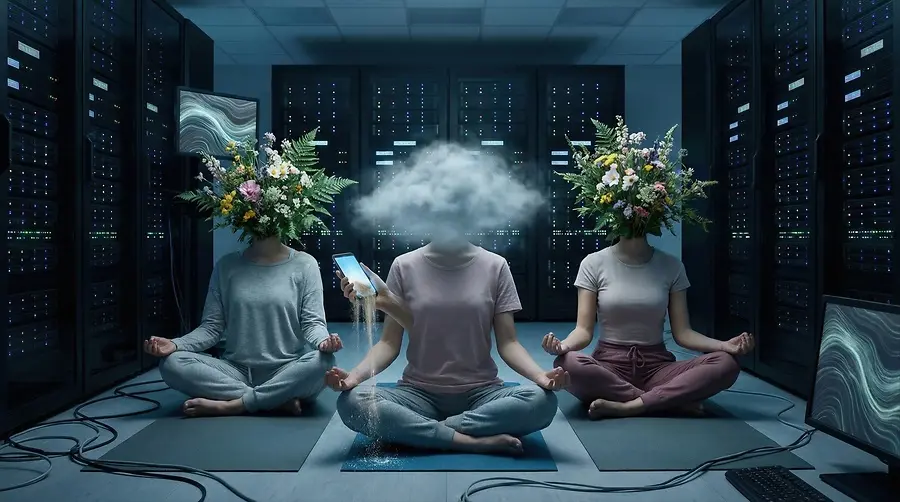
Somewhere along the way, exhaustion became a badge of honor.
In mission-driven spaces, burnout is often reframed as proof that you care deeply, are committed, and are doing meaningful work. Leaders praise resilience while quietly normalizing depletion. Teams push through, deliver results, and then wonder why they feel disconnected from the very work they once loved.
Truth be told, burnout is not a sign of dedication. It is a warning.
It is a signal that something in the system is not designed to sustain the people carrying the mission.
For too long, organizations have tried to solve burnout at the individual level: more time off, more wellness initiatives, more encouragement to “take care of yourself.” While well-intentioned, these responses miss the root of the issue. You cannot self-care your way out of a system that is designed to extract more than it restores.
What we are facing is not a capacity problem. It is a cultural problem.
When your organizational culture encourages people to constantly pour out without intentional spaces to reset, reflect, and reconnect to what initially fuels them, their effectiveness begins to erode—not all at once, but slowly. Decision-making becomes reactive. Innovation stalls. Engagement drops. The work continues, but the depth and impact of it begin to shrink.
This is where creative restoration becomes essential.
Creative restoration is a guided, interactive experience that creates space for individuals to pause, process what they have been carrying, and reconnect with themselves using creativity as a tool. This concept does not use creativity merely as art or decoration, but as a function.
Creativity is how people:
• process complexity
• solve problems differently
• reconnect to purpose
• generate new ideas when old ways stop working
Creative restoration is not about stepping away from the work. It is about re-engaging with it from a place of clarity, alignment, and renewed capacity. It creates space for individuals and teams to process, to breathe, and to reconnect with the purpose behind what they do. It allows organizations to move from survival mode into intentional, sustainable impact.
If we are serious about building stronger communities, we have to be just as serious about how we care for the people doing the work.
Caring for the community and caring for the caregivers cannot exist on opposite sides of the strategy. They must be integrated.
This requires a shift in how organizations operate.
It means moving beyond performative wellness and embedding restoration into the culture itself. It means designing environments where creativity is not an afterthought, but a necessary function of problem-solving and growth. It means recognizing that sustained impact is not driven by how much we can push, but by how well we restore.
Burnout is not the price we have to pay to make a difference.
It is feedback.
And if we are willing to listen, it can lead us to build something better.


