Early Literacy and Parent Partnership Matter Most
How school-family partnerships and early intervention in kindergarten through second grade create the foundation for lifelong literacy success.

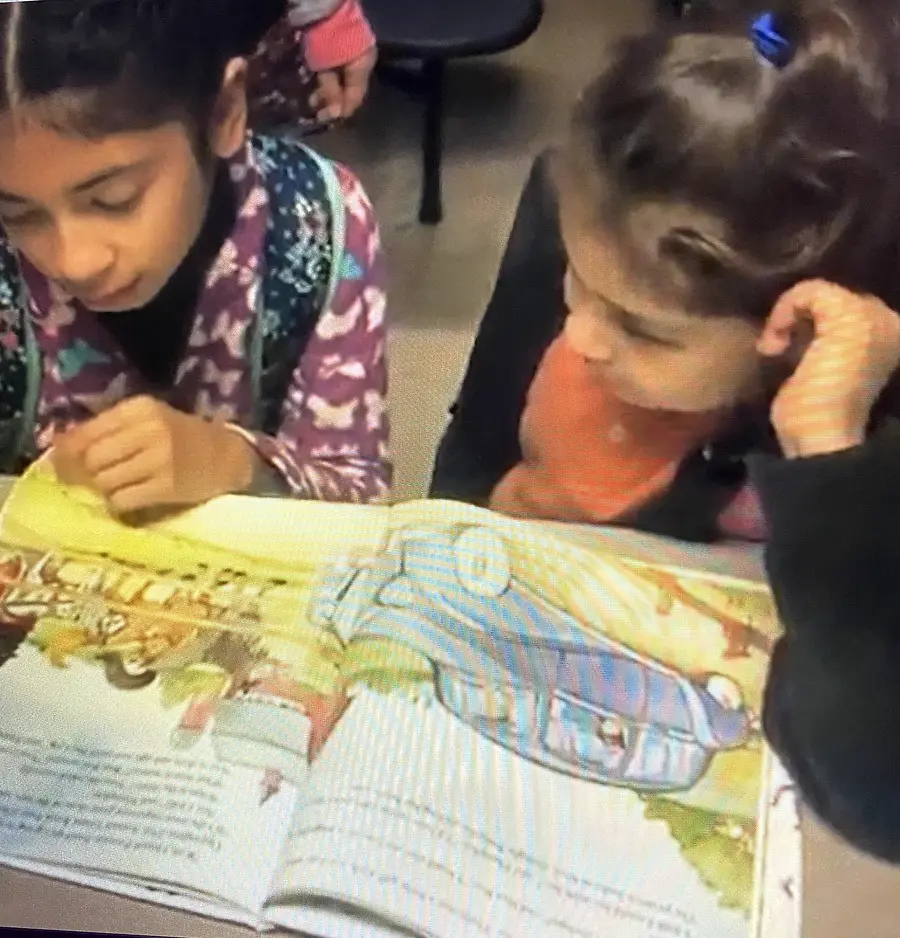
Early Literacy and Parent Partnership Matter Most
Dr. Nakia Avery
By design, schools are expected to teach children how to read.
But in practice, literacy doesn’t begin in the classroom.
It begins at home.
My work in special education and literacy leadership—and ultimately my dissertation—grew from something deeply personal. As a young parent, I made a decision before my children ever stepped into a classroom: they would be prepared. I wanted them to recognize letters, understand sounds, read simple words, and feel confident engaging with learning.
At the time, I didn’t have the language for “literacy development” or “fluency benchmarks.” I simply understood this—children who start behind often spend years trying to catch up.
So I started early.
What I saw was powerful. My children entered school ready to learn—and, more importantly, ready to learn independently. As they grew, even when I didn’t fully understand every academic demand placed on them, they were able to navigate their learning with confidence. Literacy gave them access.
That experience didn’t just shape my parenting.
It shaped my purpose.
The Missing Link in Literacy Success
Today, schools are working hard to improve reading outcomes. Interventions, assessments, and structured programs are in place. But one critical piece is often missing:
A strong, intentional connection between schools and parents.
Families want to help their children succeed.
But many are not shown how.
They are not always given clear expectations for what their child should be able to read in kindergarten, first grade, or second grade. They are not always shown what reading fluency sounds like—or how to practice it at home in simple, manageable ways.
Research has long shown that students perform better when families are engaged in learning (Epstein, 2018). But engagement must go beyond newsletters and meetings—it must be practical, clear, and consistent.
When schools and families are not aligned, children feel the gap. Over time, learning gaps widen for those who are delayed in reading.
Why Kindergarten Through Second Grade Changes Everything
If we want to change literacy outcomes, we have to start earlier.
Kindergarten through second grade is where reading is truly built.
By the end of second grade, students should be able to:
Recognize high-frequency words automatically
Read simple texts with accuracy and confidence
Begin developing fluency—reading with expression and understanding
This is not just about keeping up with standards.
It’s about building a foundation.
Too often, the focus is placed on third-grade reading proficiency. But by third grade, students are already expected to use reading to learn new content. If fluency is not in place by then, students are not just behind—they are overwhelmed.
Early literacy is not a milestone.
It is a launch point.
Schools Must Lead the Partnership
One of the most important shifts we can make in education is this:
Schools must take the lead in teaching parents how to support literacy.
We cannot assume families will figure it out on their own.
Strong school–family literacy partnerships can look like:
Simple guides showing what children should read at each grade level
Workshops that model how to practice reading at home
Sending home short, manageable texts for daily reading
Encouraging families to create their own books using pictures and simple sentences
It doesn’t have to be complicated to be effective.
I’ve seen parents create powerful learning tools with nothing more than a few typed sentences and a picture. I’ve seen classrooms transform when students had reading buddies supported by community members who practiced with them consistently each week. Literacy improved—and so did behavior, confidence, and engagement.
Children rise when support is consistent.
A Preventive Approach to Literacy
Much of the work in special education focuses on intervention—responding when students struggle.
But what if we focused more on prevention?
Theoretical frameworks such as Vygotsky’s concept of guided learning and Bronfenbrenner’s emphasis on connected environments remind us that children learn best when support systems are aligned (Vygotsky, 1978; Bronfenbrenner, 1979).
When schools and families work together early:
Gaps are identified sooner
Skills are reinforced daily
Confidence develops naturally
This preventive approach ensures that educators are not working alone.
We don’t just respond to reading difficulties.
We reduce the likelihood of them happening in the first place.
More Than Reading—It’s About Access
Reading is not just another subject in school.
It is the foundation for everything.
When students struggle to read, they often struggle in every subject. They may disengage, act out, or lose confidence—not because they lack ability, but because they lack access.
But when literacy is strong, everything changes.
Students participate.
They understand.
They succeed.
Why This Work Matters to Me
This work is not just professional—it is personal.
It began with my children.
It grew through my work in schools.
And it now lives in my research and leadership.
I have seen what happens when children are prepared early.
And I have seen what happens when they are not.
That is why I advocate for stronger school–family partnerships, especially at the elementary level—because that is where the trajectory is set.
A Call to Action
If we want different outcomes for children, we must be willing to do something different.
We must:
Start literacy earlier
Equip families with practical tools
Focus intentionally on K–2 reading fluency
Build real partnerships between schools and homes
Because when we get early literacy right…
We don’t just teach children how to read.
We give them the ability to learn, grow, and thrive for the rest of their lives.


