Greenhouse vs. The Gallery: Are You Cultivating Potential or Curating Perfection?
From Gallery Curators to Greenhouse Cultivators: Why Growth Matters More Than Polish

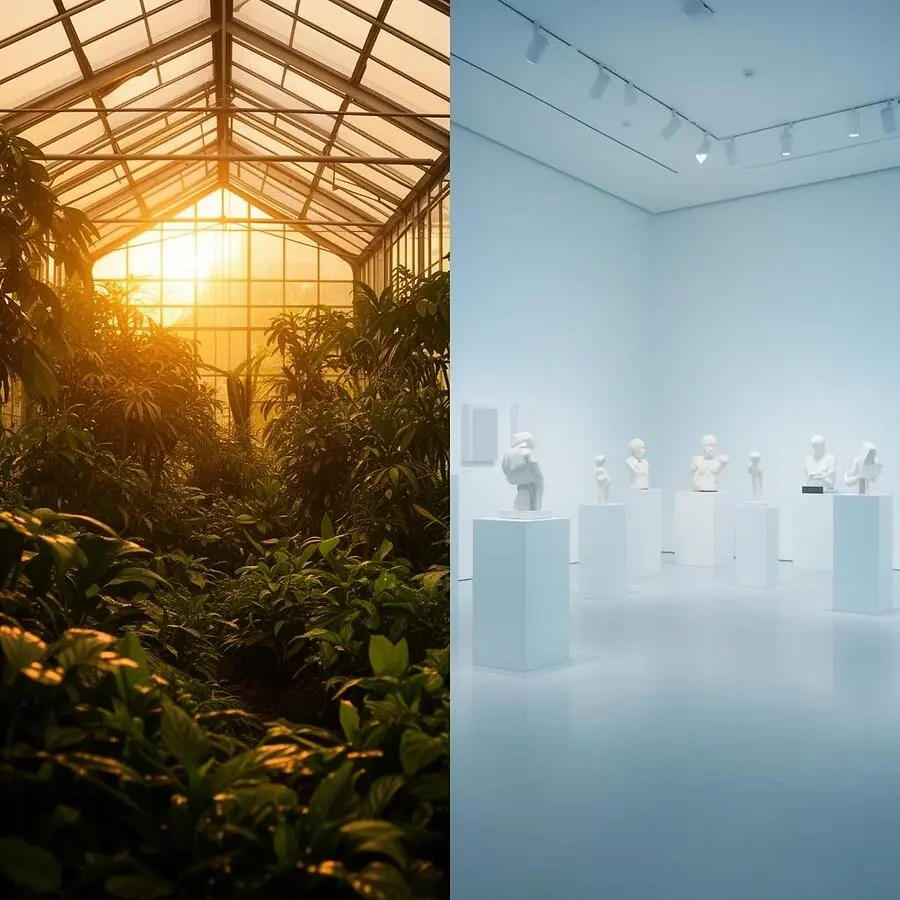
There are two types of homeowners.
There is the person with the gallery lawn. Every blade of grass is the same height, the edges are sharp and intentional, and the goal is a clean, perfect image that looks good from every angle.
And then there is the greenhouse gardener.
Their space looks different. There are starters in pots, a bit of dirt on the ground, and things are constantly shifting, growing, and being reworked. It is not always polished, but it is alive.
One is designed to be admired. The other is designed to grow.
I see these same dynamics play out in leadership every day. When it comes to communication and developing people, most leaders fall into one of two patterns. They either operate as curators or cultivators. One approach creates a polished, high-performing display, while the other builds a resilient, evolving system. Both can produce results, but only one sustains them.
A curator sees their team as a collection of finished products. Communication is precise, structured, and focused on maintaining a defined standard. Expectations are clear, output is consistent, and there is little ambiguity in what good looks like. This approach can be highly effective in the short term. Teams often produce strong work, and there is efficiency in execution because there is little room for deviation.
But over time, the limitations begin to surface. When perfection becomes the baseline, people become hesitant to take risks. Mistakes feel costly rather than developmental, and innovation slows because experimentation feels unsafe. Growth becomes constrained by the leader’s own perspective, and the team can only stretch as far as that standard allows. Perhaps most importantly, it is exhausting. Maintaining a polished image at all times creates pressure that is difficult to sustain, and work can begin to feel performative rather than meaningful.
A cultivator, on the other hand, sees their team as a living system. Communication is not just about direction, but about creating the right conditions for growth. Feedback, support, and space are used intentionally to help people develop over time. In this environment, growth becomes the goal.
When leaders operate this way, the outcomes look different. Teams expand beyond what any one leader could have envisioned. Because learning is built into the process, people become more resilient. They have already navigated challenges in smaller ways, which prepares them for larger ones. Engagement also shifts. People stay where they feel they are growing and becoming better, not just producing more.
This approach is not without its challenges. Growth is rarely linear, and there are moments when progress feels slow or unclear. The environment can look less organized, especially when people are trying new things and building new skills. There is also a real tension leaders feel: if you develop people well enough, they may eventually outgrow their role or move on to something bigger. That is not a failure of leadership. It is often the result of it.
Most leaders, when asked, will say they want to build a greenhouse. But under pressure, they default to the gallery. Curating feels like control. It creates immediate clarity, reduces variability, and protects short-term outcomes. Cultivating, on the other hand, requires trust. It requires trusting that people will figure things out, that short-term messiness will lead to long-term strength, and that investing in growth will pay off even when it is not immediately visible.
The shift from curator to cultivator does not happen all at once. It shows up in small, intentional changes in how leaders communicate and where they place their attention. It might mean shifting the focus of a check-in from status updates to reflection by asking what someone has learned that week. It might mean recognizing effort differently by acknowledging thoughtful approaches, even when the outcome is not perfect. It might mean modeling growth by being open about what you are still learning yourself.
The gallery is appealing because it is clean, controlled, and easy to measure. But it is also static. The greenhouse requires more patience and can feel unpredictable, but it is where real growth happens.
In environments where change is constant and expectations continue to evolve, growth is not optional. It is the advantage.
This is the work I care most about because I have seen what happens when leaders choose to build environments where people can truly grow.


