Inside the System: How Child Protective Services and Foster Care Shape Families in North Carolina
Understanding the Two Pillars of North Carolina's Child Welfare System: CPS and Foster Care

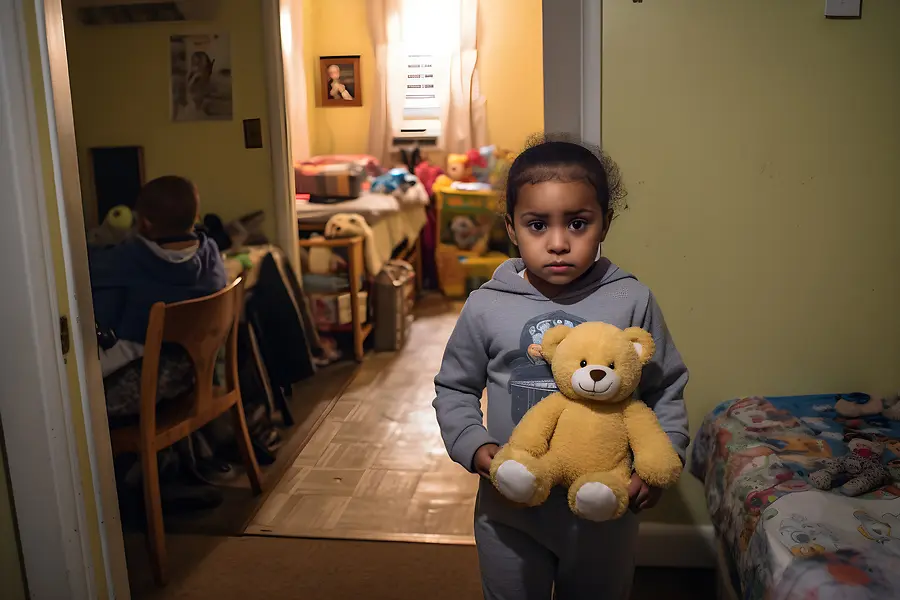
In North Carolina, a knock at the door from Child Protective Services can mark the beginning of a process that is as complex as it is consequential. What follows is not always removal, courtrooms, and foster homes—but it is always a system in motion, one designed to weigh a difficult question: how to protect a child without unnecessarily breaking apart a family.
At the center of that system are two closely linked but often misunderstood forces: Child Protective Services, known as CPS, and foster care. Together, they form the backbone of the state’s child welfare response. But they serve very different roles, and understanding the distinction reveals much about how the system operates—and where it struggles.
CPS is the entry point. Established under North Carolina law, it is responsible for responding to reports of child abuse, neglect, or dependency. Those reports can come from anyone—teachers, doctors, neighbors, even family members—and once received, they must be assessed. Social workers begin an investigation that may involve visiting the home, speaking with the child, and gathering information from multiple sources. Their task is not simply to confirm or deny a report, but to determine whether a child is safe.
In many cases, the outcome is not removal, but support. Families may be offered services meant to stabilize the home: counseling, substance abuse treatment, and parenting classes. Agreements are made and expectations set. The goal, as outlined in state policy, is to make “reasonable efforts” to keep families together. But not every situation can be resolved that way.
When a child’s safety cannot be assured, CPS may turn to the courts. A judge can grant custody to the local Department of Social Services, and that decision sets off a new phase—one that moves the child out of their home and into foster care.
Foster care is often where public perception begins, but in reality, it is a later step in the process. It is not an investigative system, but a network of placements—licensed homes, relatives, or group settings—where children live when they cannot safely remain with their families. Foster parents step into a role that is both ordinary and extraordinary: providing meals, school routines, and stability, while knowing the arrangement is temporary.
Temporary is the key word. Under both state and federal guidelines, foster care is not meant to be a long-term solution. From the moment a child enters placement, the system begins working toward a permanent outcome. That may mean reunification with parents, placement with relatives, adoption, or, for older youth, independent living.
Throughout this time, CPS does not step away. Social workers continue to oversee the case, monitor the child’s well-being, and work with the biological family to address the issues that led to removal. Court hearings track progress, setting deadlines and expectations. The process is structured, but rarely simple.
Behind the policies and procedures are difficult realities. North Carolina, like many states, faces a shortage of foster homes, particularly for older children and sibling groups. Social workers carry heavy caseloads. Families navigating the system often experience confusion, frustration, and fear. And for children, the experience of removal—no matter how necessary—can be deeply disruptive.
Yet the system is built on a set of guiding principles that shape every decision: safety comes first, families should be preserved when possible, and children deserve stable, permanent homes. Balancing those priorities is where the work becomes most challenging.
The distinction between CPS and foster care is not just administrative—it reflects two different moments in a child’s journey through the system. One is about assessment and intervention; the other is about placement and care. Together, they form a continuum that can either stabilize a family or, when necessary, create distance in the name of protection.
For those who encounter it, the system can feel overwhelming, even opaque. But at its core is a tension that is difficult to resolve and impossible to ignore: the need to protect children, and the hope of keeping families whole.