Leadership beyond the expected voice
Redefining Leadership Beyond the Stereotype of the Perfect Speaker

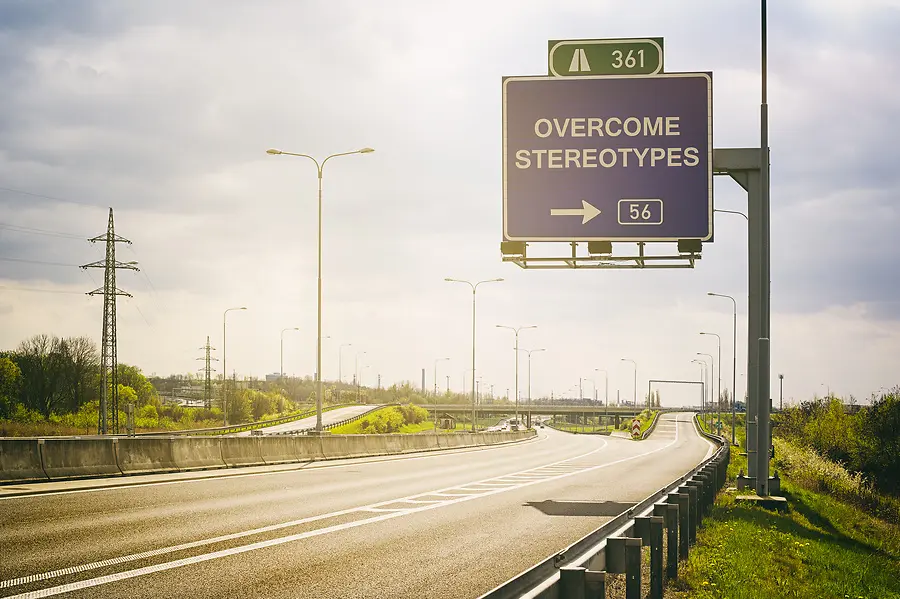
For too long, leadership has been defined by a narrow standard—one that emphasizes a specific kind of voice: confident, uninterrupted, and highly polished. However, I believe leadership is not about how well-spoken someone is; rather, it is about the clarity of their decisions, the strength of their ideas, and the impact they create.
As an aspiring criminal defense attorney, I have noticed that the legal world still holds onto a stereotype of what a “strong” lawyer should look like: confident, articulate, and outspoken in every moment. As someone who has had a speech impediment since the age of five, I have often been overlooked or labeled “Special Ed” by my grade school peers because of the way I speak. Those early experiences made me hyper-aware of how quickly people can underestimate others based on something as superficial as speech, rather than substance or ability.
The expectation that lawyers must be naturally charismatic speakers creates an unfair barrier for those whose communication styles do not fit that mold. It reinforces the idea that confidence must look and sound a certain way, when in reality, confidence is often built through preparation, resilience, and lived experience.
I am graduating with a degree in Criminal Justice and a minor in Social Justice, and for the past two years, I have served as the president of my college’s Criminal Justice Club. In that role, I was often required to engage in public speaking, lead discussions, and present in front of large groups—experiences that once felt intimidating but ultimately helped me grow into my voice in my own way.
I am encouraged to see that more people are becoming aware of and inclusive toward individuals who stutter, and that conversations around communication differences are slowly shifting in a more positive direction. However, I still worry about younger people who may be experiencing the same judgments I once did. My hope is that future generations continue moving toward a world where everyone is treated equally, regardless of how their voice sounds—and where ability is never defined by speech alone.


