Leading Behind the Scenes
Recognizing the Critical Leadership Role of Sterile Processing in Modern Healthcare

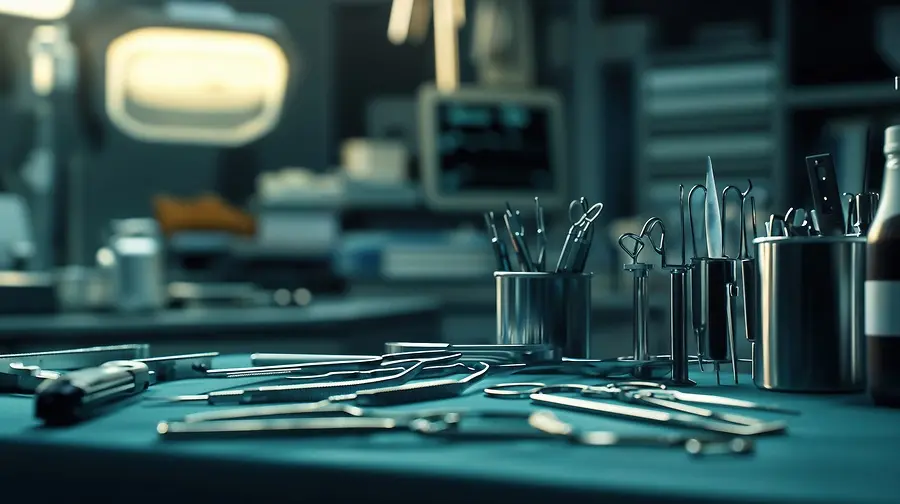
In the world of healthcare, there is a department that rarely receives recognition, yet its impact is felt in every successful surgical outcome—sterile processing.
Often working behind closed doors, sterile processing professionals ensure that every instrument used in surgery is safe, sterile, and ready when needed. While their work may not be visible to patients, it is undeniably critical to patient safety, infection prevention, and surgical efficiency.
As a leader in this space, I have come to understand that sterile processing is not just about instruments—it is about systems, people, and the ability to lead through complexity.
One of the most pressing challenges in sterile processing today is the growing complexity of surgical instruments. From robotic systems to intricate lumened devices, each instrument comes with detailed manufacturer instructions that must be followed precisely.
This creates a leadership challenge that goes beyond operations. It requires continuous education, strong competency validation, and the ability to translate complex instructions into standardized practice. Leaders must ensure that their teams are not just performing tasks, but truly understanding the “why” behind them.
Like many areas in healthcare, sterile processing faces ongoing workforce challenges—staffing shortages, turnover, and varying levels of experience.
It is not enough to simply fill positions. We must build strong, competent, and confident teams by investing in training, creating career pathways, and fostering a culture where people feel valued and supported.
Sterile processing operates under constant pressure. Surgical schedules are demanding, and the expectation is clear—have the instruments ready, no matter what.
However, leadership requires balancing production demands with patient safety. Safety must never be compromised for speed, and staff must feel empowered to speak up and prioritize doing the job correctly.
Sterile processing does not operate in isolation—it is deeply connected to the operating room, infection prevention, and quality teams.
Strong leadership means breaking down silos, establishing shared goals, and promoting collaboration. When communication improves, so does patient care.
In today’s healthcare environment, leadership must be informed by data. Sterile processing departments generate valuable insights, yet too often this data is underutilized.
Leaders must leverage tracking systems, build dashboards, and use data to drive continuous improvement.
Sterile processing leadership is evolving. It is no longer just about managing workflow—it is about influencing culture, driving strategy, and advocating for a department essential to patient safety.
As women in healthcare leadership, we bring strength, vision, and resilience. We are not just supporting the system—we are shaping it.
Sterile processing may be behind the scenes, but its impact is front and center in every surgical outcome.
Leadership is not defined by visibility. It is defined by impact.
By Stacey Brown, MHA, DHA(c), CST, CRCST, CIS, CHL


