Stand Back and Shine
The quiet power of knowing your place in someone else's story—and why it's the essence of real leadership.

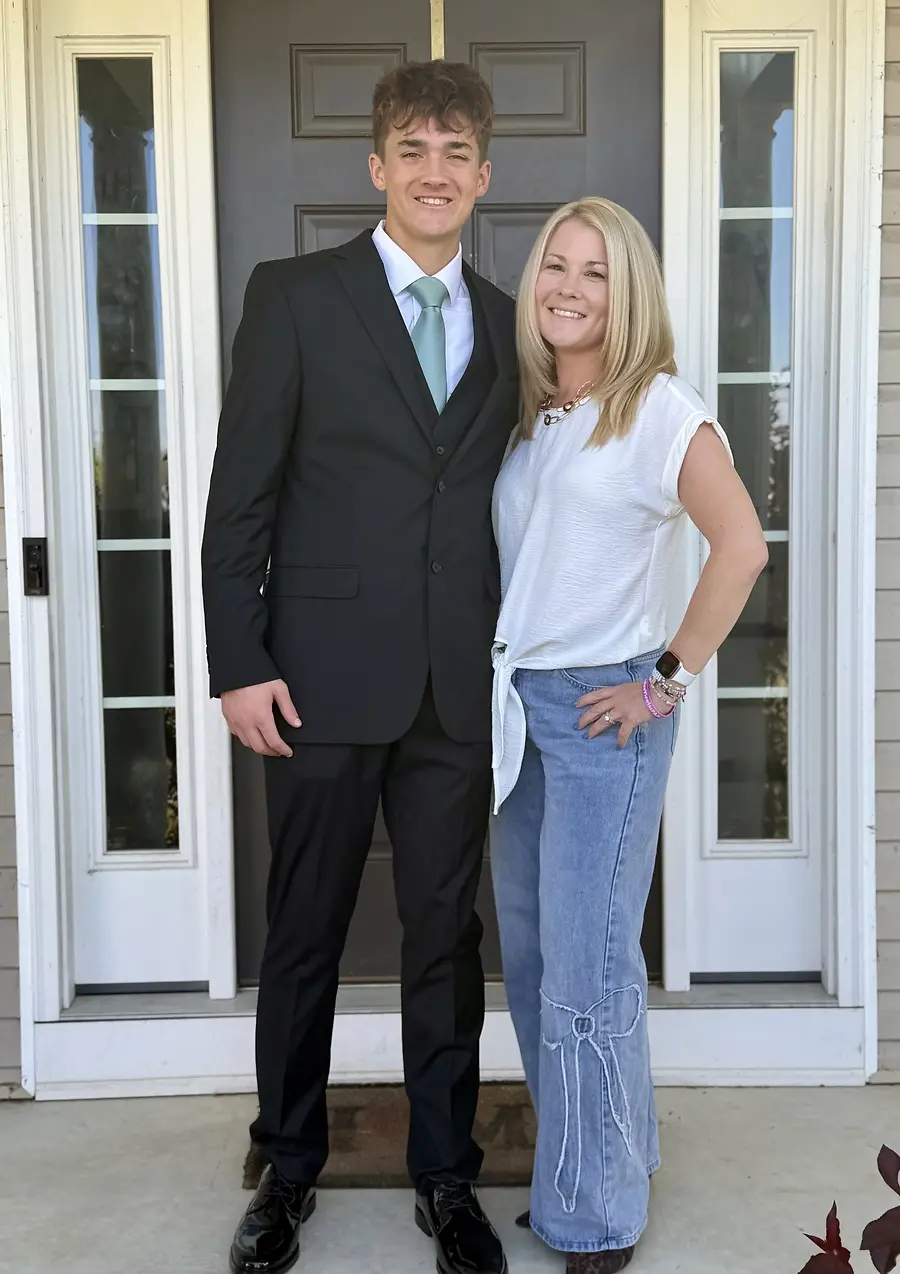
Last night, my son went to junior prom.
My role was clear and beautifully simple: coordinate the tie, buy the flowers, and show up. I knew going in that this was his moment, his milestone, his memory in the making. My job was to beam with pride from the background and not make it about me.
And honestly? I was at peace with that.
There is something quietly powerful about knowing your place in someone else’s story.
Then something unexpected happened, and it changed the whole night.
Know Your Role (And Own It Fully)
Leadership culture has a visibility problem. We’ve been conditioned to believe that leading means being seen, standing at the front of the room, driving the agenda, and taking up space. And while visibility matters, it’s only one dimension of what real leadership looks like.
Some of the most effective leaders I’ve encountered are the ones who read the room, assess what’s needed, and fill that role completely—whether it’s center stage or quietly in the wings.
Prom night is a masterclass in this. My role wasn’t ambiguous: tux, flowers, show up, smile. And within that simplicity was a discipline—the discipline of not inserting myself, not redirecting the moment, and not making my excitement louder than his.
In professional life, this shows up constantly. The senior leader who lets a junior team member present the work they built together. The manager who steps back in a client meeting so their team can shine. The executive who claps the loudest from the second row.
Clarity of role isn’t a diminishment. It’s a form of confidence.
Wait With Intention, Not Resignation
Here’s where it gets nuanced, because there’s a version of “knowing your role” that slides into passivity—and that’s not leadership either.
Patience is only powerful when it’s paired with readiness.
Standing in the background with quiet resentment, or simply going through the motions while waiting for your moment, misses the point entirely. The background role requires presence. It requires attention. It requires being genuinely invested in the outcome, even when the outcome isn’t yours to claim.
I was watching. I was absorbing. I was genuinely moved by how happy and mature my son looked. I wasn’t counting down until I could post on Instagram. I was actually there—fully in the moment that wasn’t mine.
That distinction matters enormously in leadership. The team member who stays engaged during someone else’s presentation. The mentor who listens without waiting to speak. The peer who supports a colleague’s initiative without quietly hoping it stumbles.
Waiting well is an active skill. And it sets you up for everything that comes next.
When You’re Called, Answer Fully
As the night was wrapping up, my son’s girlfriend turned to me and asked a simple question: Would you take our pictures?
Four words. And I nearly came apart on the spot.
Would I be included in your moment? Would you trust me with this? Would you let me contribute something that lasts?
I pulled it together. I stepped in. We laughed trying to come up with poses. We searched the internet for ideas, tried a few, and laughed at ourselves. In the end, their joy and their beauty did all the heavy lifting. I just held the phone and paid attention to the light.
But here’s what I want you to notice: I was ready. Not because I had been planning for it, but because I had been present. I hadn’t checked out. I hadn’t let my “background role” become an excuse to disengage. So when the invitation came, I could receive it fully and step in without hesitation.
This is the moment most people miss. They wait, but they drift. They step back, but they disconnect. And then when they’re called in, they’re not quite ready— not quite there.
The people who shine in unexpected moments are the ones who stay prepared during the expected ones.
Helping Others Shine Is the Work
Let’s reframe something.
We tend to measure leadership contribution by what we can point to: the project we led, the deal we closed, the idea we pitched.
Visible. Attributable. Ours.
But some of the most lasting contributions a leader makes are the ones that don’t have their name on them.
Those photos from prom night? My son and his girlfriend will have them forever. They may frame one. They may look back at them in twenty years. My name won’t be attached to a single image—and that is entirely the point.
The leader who coaches someone through a difficult presentation and watches them nail it. The manager who advocates behind closed doors for a team member’s promotion. The mentor whose advice lives in someone else’s decisions for decades.
Your fingerprints don’t need to be visible to matter.
In fact, some of the most profound leadership legacies are written entirely in other people’s growth. The measure isn’t whether you can point to what you built. It’s whether the people around you are better, more confident, and more capable because you were present.
Helping others shine is never a small thing. It is, in many ways, the whole thing.
The Invitation
I drove home last night quietly full. Not because I had done anything grand, but because I had shown up in exactly the right way at exactly the right time. I had been trusted with a small, meaningful task that I took seriously.
That’s it. That’s the whole story.
And yet it holds everything I believe about leadership.
Know your role and inhabit it with confidence, not apology. Wait with patience and intention, staying present even when the spotlight isn’t yours. Answer fully when you’re called in, because readiness is built in the quiet moments. And never underestimate the power of helping someone else have their moment.
So here’s the question I’ll leave you with:
Where in your work, your team, or your life are you waiting to be called in—and are you truly staying ready?
Because when the moment comes, and it will, you want to be there. Fully. Camera in hand, paying attention to the light.


