The Quiet Discipline of Integrity
How the unseen choices leaders make in private moments define their true character and shape organizational culture.

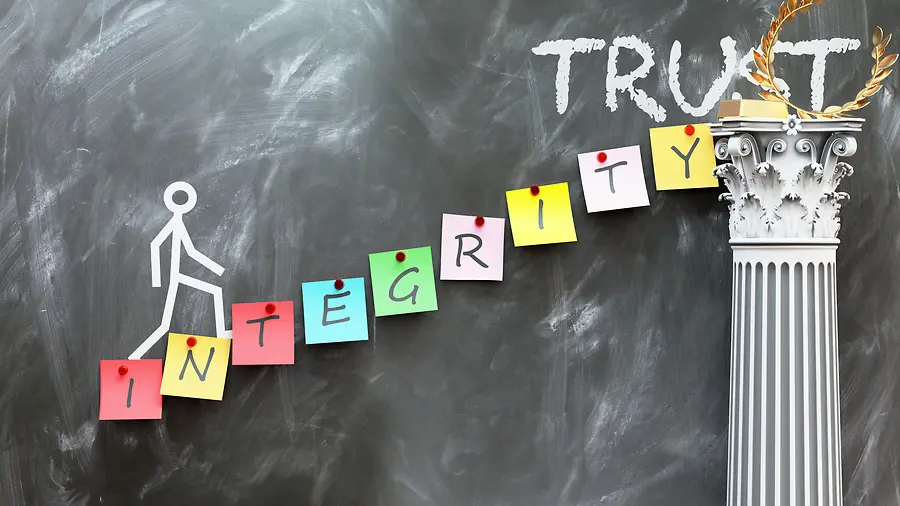
Leadership is often judged by visible outcomes.
Organizations celebrate strategic decisions, successful initiatives, and measurable progress. These moments are important. They demonstrate direction, vision, and the ability to move institutions forward.
But the true measure of leadership often emerges in quieter moments.
Integrity is rarely dramatic. It is practiced in small decisions that receive little attention and no recognition. It appears when leaders choose honesty even when no one is demanding it, fairness even when oversight is limited, and accountability even when mistakes might easily go unnoticed.
These choices form what can be called the quiet discipline of integrity.
Integrity is not simply a value leaders declare. It is a pattern of behavior sustained over time. It requires consistency between what leaders say they believe and how they act when circumstances make compromise tempting.
A leader may choose to correct an oversight rather than ignore it.
A manager may ensure fairness in a decision that others will never examine closely.
An executive may acknowledge a mistake even when silence might protect their reputation.
None of these moments attract headlines, yet they quietly shape the credibility leaders carry.
Integrity requires discipline because the pressures leaders face are often complex. Organizations demand results, timelines, and stability. In such environments, the temptation to prioritize convenience over principle can be subtle but persistent.
It is easy to assume that small compromises are harmless.
Yet institutions are shaped by patterns. When leaders consistently choose the easier path in unseen moments, those patterns gradually influence organizational culture. Standards become flexible. Expectations become uncertain. Over time, trust begins to weaken.
The opposite is also true.
When leaders demonstrate integrity consistently—even in decisions that seem minor—those actions reinforce a culture of accountability. Teams begin to understand that principles are not reserved for public statements; they guide everyday decisions.
This consistency builds trust.
Trust does not develop through words alone. It grows through observation. People watch how leaders handle details, how they respond to mistakes, and whether fairness is applied consistently.
When integrity is practiced quietly and consistently, credibility deepens.
Importantly, integrity does not require perfection. Every leader encounters moments of uncertainty or error. The discipline of integrity lies not in avoiding mistakes but in addressing them honestly.
Leaders who acknowledge missteps, correct them, and remain transparent about challenges demonstrate a form of strength that strengthens organizations rather than weakening them.
Humility, in this sense, becomes a companion to integrity.
Together, they create an environment where honesty is valued and accountability is understood as responsibility rather than criticism.
The quiet discipline of integrity rarely receives recognition. It operates beneath the surface of daily leadership decisions, yet its influence is profound.
Organizations led with integrity develop stronger cultures of trust. Teams become more willing to speak openly and address challenges constructively. Stakeholders gain confidence that leadership decisions are guided by principles rather than convenience.
Over time, these patterns shape institutional credibility.
Leadership is often remembered through major accomplishments and bold decisions. But those achievements are sustained by something quieter and more enduring.
They are sustained by leaders who practice integrity not only when attention is present, but when it is absent.
Because leadership is ultimately defined not only by what is accomplished in public moments, but by the discipline that guides decisions when no one is watching.


