XX chromosomes make winner Leaders
How X chromosome escape genes shape female brain development, cognition, and resilience.

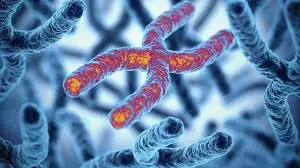
X Chromosome Escape Genes and Female Cognitive Biology
The question of why women often demonstrate distinctive strengths in leadership, resilience, communication, and organizational abilities has traditionally been explored through social, cultural, and psychological lenses. However, emerging research in genetics and neuroscience adds another important dimension: the biology of the X chromosome.
One of the most intriguing mechanisms in human genetics is X chromosome inactivation (XCI), a process in which one of the two X chromosomes in females is largely silenced to balance gene dosage between males (XY) and females (XX). Yet this silencing is not absolute. A subset of genes escapes XCI, meaning these genes remain active on both X chromosomes in females. Many of these escape genes are highly relevant to brain function, cognition, and neurodevelopment.
X Chromosome Escape Genes and the Brain
Although XCI ensures genetic balance, escape genes introduce a unique layer of biological diversity in females. Importantly, several of these genes are expressed in the brain and are involved in neural development, synaptic function, and cognitive regulation. Their escape from inactivation is often partial, tissue-specific, and variable among individuals, adding another layer of complexity to female neurobiology.
Key brain-related X escape genes include:
- KDM6A — Regulates epigenetic gene expression in neurons and supports learning, memory, and neurodevelopment.
- KDM5C — Involved in histone demethylation; mutations are linked to intellectual disabilities and neurodevelopmental disorders.
- DDX3X — Plays a role in RNA metabolism and neural development and has been associated with neurodevelopmental conditions.
- USP9X — Contributes to synapse formation and neuronal survival, influencing brain connectivity.
- EIF2S3X — Regulates protein synthesis, which is essential for neural growth and brain function.
- SMC1A — Important for chromosome organization and gene regulation; mutations are linked to neurodevelopmental syndromes.
- STS (Steroid Sulfatase) — Influences attention, cognition, and behavior through steroid metabolism.
- NLGN4X — A synaptic adhesion protein associated with autism spectrum disorders.
- PCDH11X — Involved in neuronal cell adhesion and potentially brain lateralization, although its role remains under investigation.
These genes collectively highlight that the X chromosome is not only a carrier of genetic information but also a key regulator of brain development and cognitive function.
KDM6A: A Key Gene of Interest in Female Cognitive Biology
Among these escape genes, KDM6A has attracted significant scientific attention.
- It escapes X chromosome inactivation in many tissues.
- Females often express higher levels of KDM6A than males.
- It plays an important role in neuronal plasticity and gene regulation.
- It has been linked to learning, memory formation, and neurodevelopmental resilience.
Some researchers propose that higher expression of KDM6A may contribute to sex-based differences in brain aging and resilience to neurological diseases, although this remains an evolving area of research.
Do X Escape Genes Influence Cognitive and Leadership Traits?
The influence of X chromosome escape genes is an active area of neuroscience research. While it is scientifically premature to directly connect specific genes to complex traits such as leadership, evidence suggests that these genes may contribute to biological differences in:
- Learning and memory processes
- Social behavior and communication
- Brain development trajectories
- Cognitive aging patterns
- Susceptibility to neurodevelopmental conditions, including autism spectrum disorders
- Risk and progression of neurodegenerative diseases, including Alzheimer's disease
- Immune-brain interactions that influence inflammation and neural health
However, human cognition and leadership abilities arise from a complex interplay of genetics, environment, education, culture, and lived experience. While genetics may contribute to these traits, they represent only one part of a much broader picture.
A Genetic Layer in Understanding Women's Strengths
The study of X chromosome escape genes provides a deeper appreciation of biological diversity between the sexes. Rather than defining capability, these genes may influence subtle differences in neural architecture, resilience, and adaptability.
Understanding this layer of biology does not reduce women's achievements to genetics. Instead, it highlights how evolution has created multiple pathways for cognitive complexity and resilience.
As research continues, X chromosome biology may offer new insights into brain health, aging, and neurodegenerative diseases—fields in which women are disproportionately affected. It may also help refine our understanding of how genetic diversity contributes to human potential, leadership, and lifelong cognitive health.
Ultimately, science continues to reveal that leadership is not rooted in any single factor. Rather, it emerges from a rich and dynamic interaction between biology, experience, opportunity, and personal development.