You Can’t Pour From an Empty Cup: When Achievement Turns Into Self-Destruction
Redefining Success: Why Student Health Matters More Than Perfect Grades

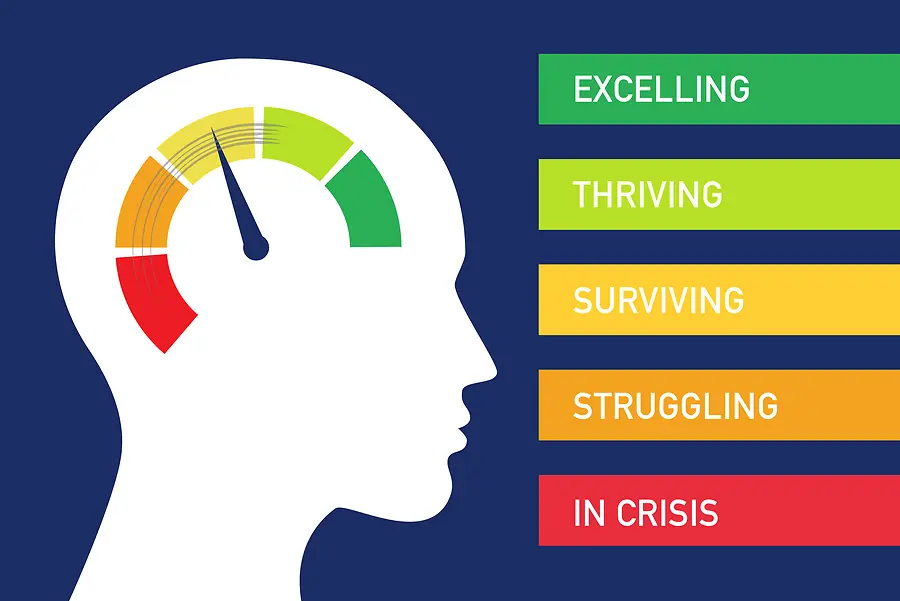
“You can’t pour from an empty cup.”
I’ve watched students chase grades like they’re chasing oxygen—staying up all night, skipping meals, living on caffeine, and treating exhaustion like a badge of honor. Somewhere along the way, “doing your best” got twisted into “destroy yourself to prove you’re worthy.”
And sometimes, it goes beyond stress.
I’ve seen students work themselves sick. I’ve seen panic attacks in hallways. I’ve seen the glazed-over stare of burnout—when a student’s body is present, but their mind is somewhere far away, just trying to survive. I’ve heard stories from families and counselors about students pushing so hard that they spiral into mental health crises—episodes that require real intervention and real recovery time.
That should stop us in our tracks.
Because no grade—no transcript, no class rank, no scholarship deadline—is worth a student losing their stability, their sleep, their safety, or their sense of self.
As educators, we are not just teaching content. We are modeling a way of living. We are teaching students what to value, what to sacrifice, and what success “costs.” And if students believe the cost is their mental and physical health, then we have to rewrite the message.
Health is wealth. And it’s time we say that out loud—often, clearly, and without apology.
“If you don’t make time for your wellness, you’ll be forced to make time for your illness.”
School culture can quietly reward unhealthy habits: perfect attendance even when sick, nonstop productivity, “grind” mindsets, and the idea that rest is only allowed after you’ve earned it.
But bodies keep receipts. Minds do too.
When students consistently run on empty, the crash doesn’t politely wait until summer break. It shows up as headaches, stomach issues, insomnia, depression, anxiety, emotional shutdown, or explosive overwhelm. It shows up as missed school anyway, because eventually the body takes what it needs.
A hard truth we don’t say enough: sometimes the most responsible choice is to pause.
Not quit.
Not give up.
Just pause—so you can return with your mind intact and your body cared for.
“Self-care isn’t selfish.”
Students—especially high achievers—often carry an invisible fear:
If I slow down, I’ll fall behind.
If I rest, I’ll disappoint people.
If I’m not exceptional, I won’t be enough.
So they keep pushing, even when they’re unraveling.
I’ve seen what that pressure can do up close. One of my seniors—so close to the finish line, with just four credits left—hit a breaking point. He wasn’t being dramatic or lazy; he was depleted. He literally could not take one more minute of the grind. That collapse spiraled into a mental health crisis, and instead of walking across a stage, he ended up living in a mental health facility.
That’s the part we can’t ignore: when students are running on empty, “just push through” isn’t motivation—it’s danger.
This is where educators can be a lifeline—not with motivational speeches that sound like pressure, but with permission that sounds like care.
Sometimes what a student needs most is to hear:
- “I’m proud of your effort, but I’m more concerned about how you’re doing.”
- “One grade is not worth your sleep.”
- “Let’s make a plan that protects your mental health.”
- “It’s okay to have a day that isn’t your best.”
- “You don’t have to prove your worth by suffering.”
Self-care in a school context doesn’t have to be fancy. It can be basic, steady, and life-saving:
- sleeping
- eating real food
- taking breaks without guilt
- asking for help early
- setting boundaries with workload
- saying “I need more time” before everything collapses
And yes, sometimes it also means recognizing when a student needs professional support and guiding them toward the right people. Teachers aren’t therapists—but we can be the trusted adult who notices, names, and nudges a student toward help.
“Take care of your body—it’s the only place you have to live.”
The most powerful shift we can make in education is redefining success.
Success is not a student who gets straight A’s while falling apart privately.
Success is not perfection fueled by anxiety.
Success is not a breakdown disguised as ambition.
Success is a student who learns how to work hard and live well.
A student who can strive without self-destruction.
A student who knows their worth isn’t a number.
So here’s the message I want every student to hear—and every educator to repeat until it sticks:
Health is wealth.
You can make up a grade.
You can redo an assignment.
You can recover from a low score.
But your mind and body deserve care now, not later.
And to my fellow educators: this applies to us too.
We cannot teach balance if we only model burnout.
We cannot encourage students to rest if we never allow ourselves to.
We cannot build healthy classrooms in unhealthy systems without choosing—again and again—to value humanity over performance.
Start small. Start today.
Drink water.
Take the sick day.
Ask for support.
Set one boundary.
Give students an SEL day if you all need it.
Give one student permission to breathe.
Because we’re not here to create perfect students.
We’re here to help raise whole people.