Influential Woman · Technology and Digital Product Design
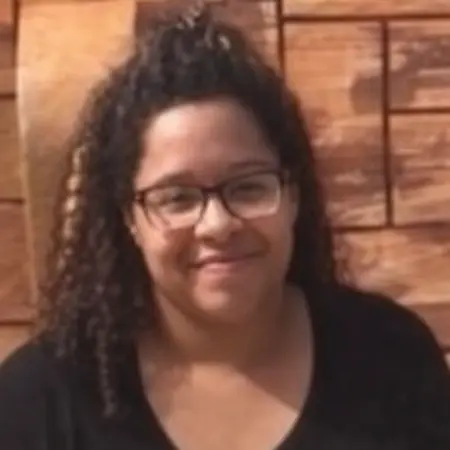
Dyani Catori
UX and Product Designer
Orlando, FL 32828
Her Story
About Dyani
Dyani Catori is a UX and product designer with nearly five years of experience building digital products that actually work for the people who need them most. Her work is grounded in behavioral research, lived experience, and a neurodiversity-informed design perspective that consistently surfaces what standard user research misses and closes gaps rather than creates new ones.
Across B2B, B2C, and SaaS environments, Dyani designs from behavior-driven observation and research, not assumption. As an Afro-Latina designer, mother of five, and individual living with ADHD, she brings a depth of perspective to her work that shapes everything from information architecture to the emotional logic of how a product feels to use.
Her current focus is Tether, a nervous system stabilization application she is designing and developing for individuals navigating emotional overwhelm, trauma responses, and high-stress environments. Tether is built on the premise that mental health support should not require a copay, a waitlist, or a diagnosis — it should be accessible to anyone, wherever they are. The app is designed with particular intention for underserved communities who face systemic barriers to traditional mental health care.
Dyani is completing her Bachelor's Degree in UX at Full Sail University, building on an Associate's Degree she earned there previously. Her path into design was not linear — she began her career in HR and customer service before discovering that design was where her analytical mind and creative instincts could do the most meaningful work.
That trajectory included a deliberate pivot: after being initially rejected by Paylocity, Dyani refined her online presence, reapplied, and reached out directly to company leadership on LinkedIn. She was hired within a week. It's the kind of move that defines how she operates — she does not wait for doors to open. She figures out how to open them.
At Paylocity, she contributed to UX, digital engagement, and product communication initiatives before a company restructuring resulted in her team being laid off. Rather than step back from the work she cares about, she stepped further into it — using the transition as a catalyst to accelerate Tether's development and deepen her commitment to building technology that serves people at their most vulnerable.
Dyani believes AI's most important function is not efficiency — it's access and connection. She points to tools like ElevenLabs as examples of technology doing what it should: giving voice to people who didn't have one, and expanding reach to communities that have historically been left out. That's the standard she holds her own work to.
Her Interview
Ten minutes with Dyani
01What do you attribute your success to?
Persistence and continual learning: going back to school, pivoting deliberately, and proactively reaching out (for example, reapplying and contacting people directly on LinkedIn). Also credits creative insight and moments of inspiration that drive solutions.
02What advice would you give to young women entering your industry?
Let yourself be seen and share your work; don’t hide out of fear of judgment. Pursue what makes you happy and seek collaborators who resonate with your mission.
03What are the biggest challenges or opportunities in your field right now?
The biggest challenge in my field right now is that it's really saturated. For every one job, there's probably hundreds of designers competing. The other major challenge is AI. I feel like it's either not being used correctly, or it's just wrecking everything. I believe you can use AI in ways to benefit the human experience over optimization, but unfortunately, most companies just want to optimize. There's not enough places that want to use AI to make being human better. For example, there's a company called Eleven Labs using AI for voice to increase representation and accessibility for people that need a voice. They're adding languages, so a little girl in a village somewhere who's only ever heard her language in her own village will now be able to hear it from people globally, or people who don't have a voice and can't speak for whatever reason will be able to use that technology in multiple languages and scenarios. That's using AI for accessibility and representation, bringing connections between people, instead of just using AI to make workflows work better. Unfortunately, companies aren't utilizing it that way. They just want optimization, so it's frustrating to want to make a difference and feel like you're the only one.
Join Influential Women and start making an impact. Register now.