Influential Woman · Behavioral Health and Systems Consulting
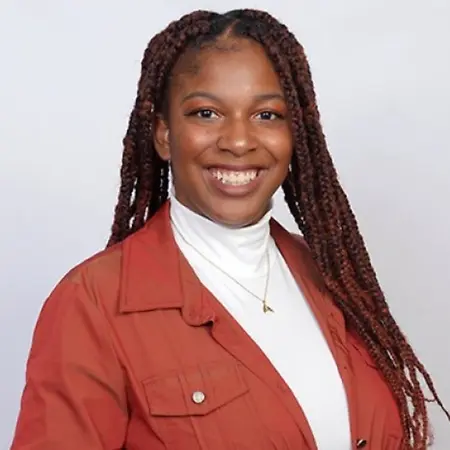
Allyssa Ghans, LCSW
Founder, LCSW and Behavioral Health Consultant, LYSYN Collective
West Orange, NJ 07052
I built an app for capacity-aware planning after seeing a gap in tools for neurodivergent and disabled individuals focused on sustainability, not just productivity.
Allyssa Ghans, LCSW · In Her Own Words
Her Story
About Allyssa
Allyssa Ghans, LCSW, is a licensed clinical social worker and neurodivergent clinician based in West Orange, New Jersey. With over five years of experience in behavioral health, Allyssa has built a diverse career spanning therapy, behavioral intervention, community outreach, research, and systems consulting. She specializes in supporting neurodivergent individuals and marginalized communities through person-centered planning, transition services, and capacity-aware support. Allyssa currently leads her private practice, LYSYN Collective, and provides structured clinical consultation to fellow clinicians, supporting neurodiversity-affirming practices across care settings.
Allyssa’s professional journey began in anthropology, with aspirations in forensic anthropology, before she pivoted to social work during the COVID-19 pandemic. Her lived experience as a neurodivergent Black woman informs her clinical philosophy, emphasizing inclusivity, equity, and the importance of celebrating individuals as they exist within their environments.
Beyond direct clinical care, Allyssa is developing an innovative app designed to help individuals plan and engage within their personal capacity levels, with a focus on accessibility, rest, and the strengths of neurodivergent and disabled populations.Outside of her professional work, Allyssa enjoys spending time with her two cats, her partner, and engaging in activities that allow her to recharge.She is deeply committed to giving a voice to those who are often unheard, a value that continues to shape both her clinical work and her broader vision for systems-level change.
Her Interview
Ten minutes with Allyssa
01What do you attribute your success to?
I attribute my success to both my resilience and the people who have supported me along the way. I could not have gotten here on my own. My path into this field has not been linear, but it has always been grounded in a desire to help others. Along the way, the people I have met, often unexpectedly, have had a significant impact on how I’ve grown and how I see my work. They have challenged me, supported me, and helped me find my voice. I would not be who I am without that.What could have felt like detours in my path ultimately became realignments, allowing me to move closer to the work I am meant to do. That combination of persistence and connection continues to shape both my work and the way I show up in it.
02What’s the best career advice you’ve ever received?
The best career advice I’ve ever received came from my anthropology professor, Dr. Fox, after I put a lot into a project and still felt like I fell short. I was trying to figure out what that meant for me, and he said something very direct: if you would not die without anthropology, don’t do it. What stayed with me was not just how intense that statement was, but what it opened up. It made me realize that there could be another way to do the work I cared about. I have always been driven by wanting to give a voice to those who are often unheard, and that moment helped me step back and ask where I could actually do that most effectively. That shift led me to social work. It allowed me to stay aligned with my core mission, while finding a path that better fit how I connect with people and the kind of impact I want to have.
03What advice would you give to young women entering your industry?
I would tell young women entering this field not to allow anyone else to define what they are capable of. Even in a woman-led field, there are still assumptions, limitations, and doubts placed on you, especially as a woman with disabilities. I was told early on that I would always be behind, and that is something I had to actively unlearn. What made the difference for me was not having everyone believe in me, but having a few people who did. Know who is in your corner. Know who to trust. And do not internalize narratives about yourself that you do not believe to be true. At the same time, recognize how expansive this field really is. You can advocate for others and still build a sustainable, fulfilling life for yourself. You are not limited to one path, and you do not have to sacrifice your well-being to do meaningful work.
04What are the biggest challenges or opportunities in your field right now?
One of the biggest challenges in this field is that many systems are still not designed to fully support neurodivergent individuals, people with disabilities, or marginalized communities. There is often a gap between what people actually need and what systems are structured to provide. There are also structural challenges within the profession itself. Social work is often framed as purely service-driven, which can lead to financial strain, especially early in a career. There are ceilings that are not always clearly discussed, and it can take time and persistence to navigate them. At the same time, that creates a significant opportunity. This field is expansive, and there is room to build new paths, whether through clinical work, consulting, or other models of care. There is a growing need for diverse perspectives, and for people who are willing to think differently about how support is designed and delivered.We need more clinicians, more advocates, and more varied ways of thinking in order to move the field forward.
05What values are most important to you in your work and personal life?
The values most important to me are honesty, ethics, inclusivity, and truly seeing people as they are within their environments. I believe it is essential to meet people where they are and support them in ways that are grounded in their lived experiences. I also hold a strong value around celebration. It took time for me to learn how to celebrate my own differences, and I’ve come to see how important it is to create spaces where others can do the same. We don’t always live in a society that embraces what makes people unique, so I make it a priority in both my work and my personal life to recognize and uplift those differences. These values shape how I show up, both as a clinician and as a person.
Join Influential Women and start making an impact. Register now.