Influential Woman · Education
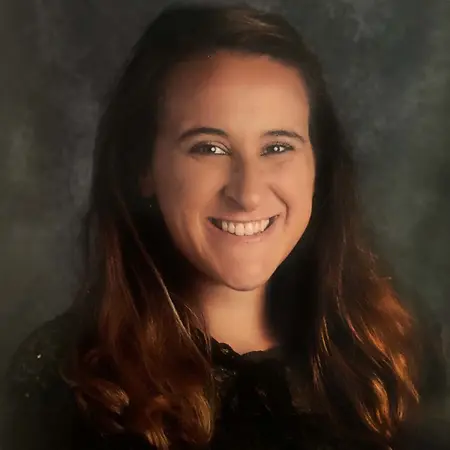
Allyssa Mullins
Vice President of Education, Adelbrook
Cromwell, CT 06042
Her Story
About Allyssa
Allyssa Mullins is an accomplished educational leader, special education administrator, and advocate dedicated to expanding opportunities for students with complex learning, emotional, and developmental needs. Currently serving as Vice President of Education at Adelbrook in Connecticut, she specializes in special education compliance, therapeutic educational programming, and the development of student-centered learning environments. With a leadership philosophy rooted in collaboration, compassion, and systemic excellence, Mullins works closely with educators, clinicians, and families to ensure students receive individualized support that promotes both academic success and personal growth. Throughout her career, Mullins has demonstrated exceptional expertise in building and expanding specialized educational programs. After beginning her professional journey as an English teacher, she discovered a passion for special education and pursued advanced studies in the field. She quickly progressed into leadership roles, becoming a lead teacher and later directing the development of autism and special education programs across Connecticut. Her work has resulted in the successful launch and expansion of multiple programs serving students with autism, emotional disabilities, and other high-support needs. In addition to overseeing educational services, she actively collaborates with public school districts on grant initiatives, program development, and access to innovative resources such as AAC communication technologies. Mullins is currently pursuing a Doctor of Education (Ed.D.) in Interdisciplinary Leadership at Creighton University, building upon advanced credentials in educational leadership and special education. She is deeply committed to cultivating future leaders through mentorship, internship opportunities, and professional development initiatives. Known for fostering trauma-informed school cultures and high-performing interdisciplinary teams, Mullins continues to advocate for equitable access to quality educational services while empowering educators and students to thrive in inclusive, supportive learning communities.
Her Interview
Ten minutes with Allyssa
01What do you attribute your success to?
I think just surrounding yourself with good mentorship, people that are exhibiting commitment to core values and playing those out and role modeling them for others. Watching some pretty extraordinary leaders in my field helped me decide to enter that field as well. There was probably also a moment where someone came up to me and said, listen, you're going to go into leadership. I hadn't even thought of it until that person came into my classroom and saw me teaching and kind of recruited me into the field of leadership and wanting to grow in that area.
02What’s the best career advice you’ve ever received?
The best advice is probably that 75% of leadership is listening, active listening, and learning about people. When you're listening, that's how you're making connections. Whether you're talking to students, employees, or other administrators, listening really does go a long way. And nobody expects anyone to have the answer. You can say, okay, let's think about this, and then we'll come back to it later. I think that's probably the best advice that I could give, really, any, especially newer administrator, is that listening goes so much farther than people tell you.
03What advice would you give to young women entering your industry?
I think I would want those people to know that things are changing. The Connecticut policy at the state capitol is changing. People are doing the work to make change and make teachers' lives better, their benefits better, their salaries better. It's changing very quickly, and the people getting out of college are seeing that right away. We're starting to pay teachers a really good starting wage, and it's just going to keep getting better. Getting a teaching degree is worth it, because we have to be able to survive as well. I would also say be picky-choosy about the school you work in, because the culture can really make or break it. There are leaders and administrators who do an incredible job at shifting culture, and they're always really inclusive and pleasant places to teach, who recognize the value of especially special education teachers. Some of the privates that I have been opening are putting caps on caseloads, which is something that should have happened years ago. There's one school where their cap is 6 kids in a class.
04What are the biggest challenges or opportunities in your field right now?
The benefits are definitely the fulfilling feeling of really helping people at a larger scale. It takes really special people to be in our field, and for someone who's wanting more than just a job, something that you're actually excited about where you can actually see the change happening, I think that's probably the biggest thing. Some of the opportunities are just there's amazing networking in our field, at a state and national level. Getting access into those networking programs and being able to go and visit programs, either nationwide or state-level-wide, and seeing a little bit of what everyone's doing, and being able to bring that back when you're opening a new program. We've come a long way in that arena, because 10 years ago, private special ed was very gatekeeping and they weren't going to share their secret sauce. Whereas now, we've developed pretty good working relationships and becoming collaborative, looking at what is making all these other programs work, and hopefully taking a mixture of that to make other programs for students.
05What values are most important to you in your work and personal life?
I definitely think building safe, trusting, and compassionate environments is probably where we're thriving across all of the programs that I've touched. I always talk about how you cannot be successful without having trusting relationships with families and ensuring that the kids that we're supporting and caring for feel safe in their classrooms, and that they learn to trust the adults that are working with them through compassion. I think those are probably the three biggest ones.
Join Influential Women and start making an impact. Register now.