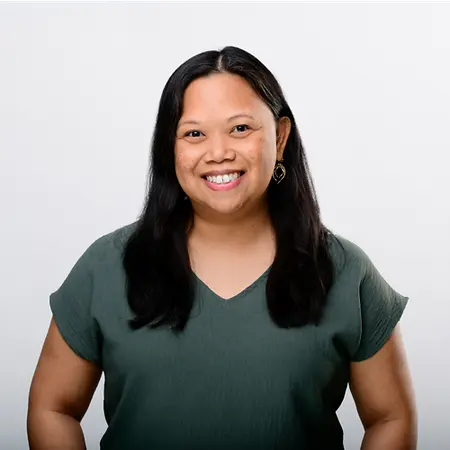
Her Story
About Amanda
I actually started out in a very different academic path. I was in a PhD program for English, Rhetoric, and Composition, and after two and a half years, I realized I was doing a lot of work with students in higher education who had disabilities, and I kept wondering how I could help them sooner. That realization, combined with being diagnosed with bipolar disorder, led me to drop out of the PhD program and start a Master's in Social Work program at Concordia University, where I just graduated on May 1st. Now I work in forensic social work, going into prisons and doing mental health work with people who have mental illness or substance use disorders. I'm pretty flexible and choose my own schedule, but I do assessments almost every day with clients who are referred to me either through the Department of Corrections or probation. I go into the Milwaukee Secure Detention Facility, the Community Reintegration Center, and the Milwaukee Jail to do re-entry work, connecting people to alcohol and drug treatment, housing, employment, and education to make sure that when they re-enter society, they're less likely to recidivate. I do about 5 to 10 assessments a week, and I'm really good at engaging with clients and building rapport. Outside of my forensic work, I'm deeply involved in advocacy for the deaf, hard of hearing, and deafblind communities, particularly around mental health issues.
Her Interview
Ten minutes with Amanda
01What’s the best career advice you’ve ever received?
Don't be afraid to ask for help. We're a team, so we support each other. This advice has been really important to me in my work, reminding me that I don't have to do everything alone and that leaning on my colleagues and team members is not only okay, but essential to doing good work.
Join Influential Women and start making an impact. Register now.