Explore how nurse practitioners are transforming healthcare through expanded practice authority, innovative specialty clinics, and patient-centered care that prioritizes prevention, wellness, and personalized treatment across the nation.
Her Story
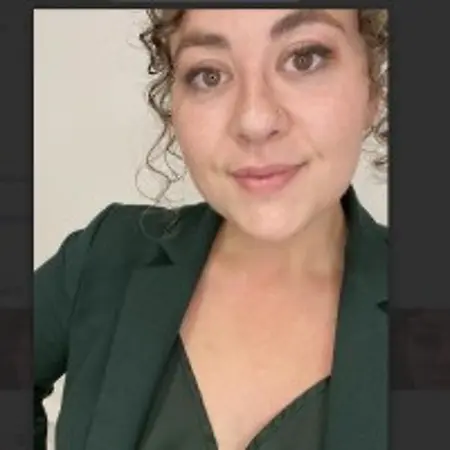
About Amanda
Amanda Swartz is an entrepreneur and healthcare operations strategist working at the intersection of clinical care, business systems, and holistic wellness. Through her consulting practice, Swartz Professional Services, she supports healthcare providers—including med spas, medical clinics, therapy practices, and psychiatry groups—by building the operational infrastructure that allows practitioners to focus on delivering high-quality patient care.
Her work spans recruiting, licensing and regulatory compliance, HR, payroll, onboarding, and organizational strategy. By developing structured workflows and scalable systems, Amanda helps healthcare practices grow sustainably while maintaining a compassionate, patient-centered approach to care.
Amanda’s connection to healthcare began early. Raised by a mother who spent more than four decades as a Director of Nursing in senior living communities, she grew up volunteering in dementia care units and witnessing firsthand the realities and responsibilities of patient care. In 2011, she became a Certified Nursing Assistant, working directly with patients before transitioning into healthcare practice management in 2013. It was during this time that she discovered a passion for designing systems and operational structures that support both providers and patients.
Today, Amanda combines her hands-on healthcare experience with education in business administration and data analytics to guide clinics and wellness organizations through operational growth, efficiency, and practice integration. She is particularly focused on empowering healthcare professionals with the tools, structure, and knowledge they need to succeed—without unnecessary complexity or gatekeeping.
At the core of Amanda’s work is the belief that true health extends beyond the absence of illness. It includes the presence of organizational clarity, compassionate leadership, and systems that allow healthcare professionals to serve their communities with stability and integrity.
Her Interview
Ten minutes with Amanda
01What do you attribute your success to?
I attribute much of my success to growing up in a healthcare environment where service, resilience, and accountability were simply part of everyday life. My mother spent more than four decades as a Director of Nursing in senior living communities, and from an early age I was volunteering in dementia care units and witnessing firsthand the dedication required to care for others.
Those early experiences shaped my perspective on healthcare and responsibility. Later, working as a Certified Nursing Assistant and transitioning into healthcare practice management allowed me to understand both the human side of patient care and the operational systems that support it.
Each stage of that journey reinforced the importance of building strong organizational foundations that allow providers to focus on what matters most—caring for people. That commitment to supporting healthcare professionals through thoughtful systems, structure, and strategy continues to guide the work I do today.
02What’s the best career advice you’ve ever received?
The best career advice I was ever given was to “stay safe.” Ironically, that advice motivated me to do the opposite. It pushed me to question the idea of settling for roles that felt predictable or limiting and instead pursue opportunities that allowed me to grow, build, and create something of my own.
Rather than staying within what felt safe, I learned to trust my ability to step outside traditional paths, take calculated risks, and design a career aligned with my values. That mindset continues to guide my work today—encouraging innovation, independence, and the confidence to build systems and organizations that didn’t previously exist.
03What advice would you give to young women entering your industry?
My advice to young women entering the industry is to build businesses in response to real needs rather than just personal interests. Many people start a business because they enjoy doing something, but without a clear demand, it can lead to years of financial stress and uncertainty. The strongest businesses are built when there is already a need—when people are asking for the service and actively seeking a solution.
For those entering healthcare specifically, I believe it is increasingly important to think early about which side of the healthcare landscape you want to work within. Today there are two very distinct paths: working within the traditional insurance-based system, which operates through structured coding, diagnoses, and regulatory frameworks, or working within emerging models such as functional, longevity, or direct-care medicine that operate outside of insurance reimbursement.
Neither path is inherently better than the other, but they require very different mindsets and operational approaches. Understanding which environment aligns with your goals early in your career can help you build the right skills, experiences, and expectations. Most importantly, remember that healthcare is evolving quickly, and there is room for innovation. The future of medicine will require leaders who are willing to think differently about how care is delivered and how wellness is supported long before illness occurs.
04What are the biggest challenges or opportunities in your field right now?
One of the biggest challenges in my field is the growing divide between traditional insurance-based healthcare and private or functional medicine models. This separation can make it difficult for practitioners to transition between systems, as each operates under very different structures and expectations.
At the same time, this shift presents an opportunity to rethink how care is delivered. It opens the door for more innovative healthcare models focused on longevity, preventative medicine, and creating sustainable environments for providers who are often working under staffing shortages and demanding schedules.
05What values are most important to you in your work and personal life?
One of the values that guides both my work and my personal life is transparency and empowerment through knowledge. After studying data analytics and seeing how information—especially in marketing—can sometimes shape perception rather than reflect reality, I realized how important it is for people to have access to clear, honest information that allows them to make informed decisions.
That experience instilled a commitment in me to ensure that the people I work with never feel limited by a lack of knowledge or access. I strongly believe that everyone has the ability to succeed when they are given the right tools, information, and support. There is room for all of us to thrive, and I don’t see success as competition. Instead, I believe in building environments where people feel capable, confident, and empowered to reach their full potential.
In my personal life, supporting veterans is deeply important to me. Both my husband and my father served in the military, so giving back to the veteran community is something I care about deeply. Each year I volunteer with the VA in whatever capacity is needed, and my family also donates annually to Make-A-Wish. Giving back to communities that support others is something I believe should always be part of a meaningful life and career.
Her Content Hub
Articles by Amanda
he Rise of Nurse Practitioners as Independent Healthcare Leaders
How nurse practitioners are revolutionizing healthcare with autonomy, innovation, and patient-centered care.
The Rise of Nurse Practitioner-Led Healthcare
One of the most inspiring shifts happening in healthcare today is the rise of nurse practitioners stepping into full provider and leadership roles across the United States.
In many states, nurse practitioners now have full practice authority, meaning they can diagnose, treat, prescribe medications, and even own and operate medical clinics independently.
This evolution is transforming the structure of healthcare in a powerful way, opening the door for a new generation of providers to build practices centered around accessibility, prevention, and patient-centered care.
What excites me most is watching how nurse practitioners are using this autonomy to innovate. Rather than being limited by traditional systems, many are creating specialized clinics that focus on areas like wellness medicine, hormone optimization, functional medicine, metabolic health, and longevity care. These practices are often more personalized, more educational, and more focused on helping patients thrive rather than simply treating illness.
Across the country, we are seeing incredible growth in specialty clinics led by nurse practitioners. Many women are opening practices focused on women’s health, hormone balance, perimenopause, and menopause care—areas that historically have not received the attention they deserve. At the same time, we are also seeing the development of men’s health clinics focused on testosterone therapy, metabolic support, and preventative longevity care.
This movement represents more than just a change in licensing laws; it reflects a broader shift in how healthcare is delivered. Nurse practitioners bring a holistic, patient-centered approach that emphasizes listening, education, and long-term wellness.
To me, it is incredibly exciting to watch providers step forward and build practices that reflect the future of medicine. The rise of nurse practitioner-led clinics is expanding access to care, empowering providers to lead, and helping shape a healthcare system that is more innovative, preventative, and patient-focused than ever before.
The momentum behind this movement is only just beginning, and I truly believe nurse practitioners will play a major role in shaping the next chapter of modern healthcare.
Exploring the transformative rise of self-pay specialty care in healthcare, from preventative wellness and longevity medicine to functional treatments that prioritize patient outcomes and accessibility over insurance barriers.
A New Healthcare Movement: The Expansion of Self-Pay Wellness and Longevity Care
Why more providers and patients are embracing direct-pay models for preventative and performance-focused healthcare.

One of the most exciting shifts I’m watching in healthcare right now is the growth of self-pay specialty care.
For so long, healthcare in the U.S. has revolved around insurance systems that often make access complicated, slow, and restrictive for both patients and providers. But we’re beginning to see a new model emerge—one where care is becoming more direct, more transparent, and, in many cases, more affordable.
Personally, I love seeing the expansion of self-pay wellness and longevity medicine across the country. It’s creating space for providers to focus on proactive health instead of just reactive care.
Services like hormone replacement therapy, perimenopause and menopause care, peptide therapy, GLP-based metabolic support, functional medicine, and longevity-focused treatments are becoming more accessible to everyday patients. These aren’t just luxury services anymore—they’re becoming part of a larger movement toward preventative care and whole-person well-being.
What inspires me most is that this model gives both patients and providers more freedom. Providers can practice medicine in a way that prioritizes outcomes and personalization, and patients gain the ability to invest directly in their health without navigating layers of insurance barriers.
We’re seeing the worlds of medical wellness, longevity science, functional medicine, and even aesthetics begin to intersect in really meaningful ways. The conversation is shifting from “treating illness” to supporting vitality, balance, and long-term health.
I truly believe we’re entering the age of functional medicine and longevity-focused care.
And watching self-pay specialty care become more affordable and accessible across the U.S. is something I’m incredibly inspired by.
The future of healthcare is evolving, and it’s exciting to witness.
Join Influential Women and start making an impact. Register now.