Influential Woman · Higher Education
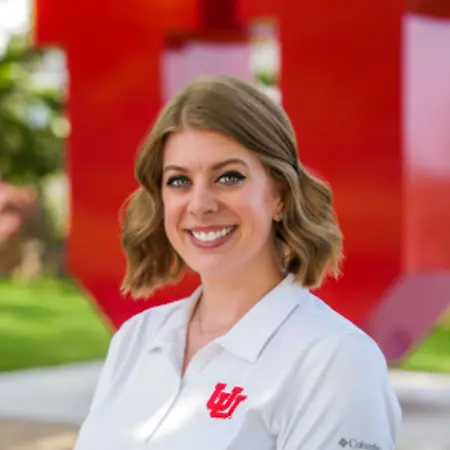
Amber Gordon
Campus-Wide Advisor Technology Coordinator, University of Utah
Salt Lake City, UT 84112
Her Story
About Amber
Amber Gordon is an academic advising strategist and training architect at the University of Utah, where she leads campus-wide initiatives that strengthen advisor effectiveness and elevate student support. With over a decade of experience across student and academic affairs, she specializes in designing scalable training ecosystems, modernizing onboarding, and aligning advising technology with institutional priorities.
She currently serves as the Campus-Wide Advisor Technology Coordinator, leading training and development initiatives for academic advisors. In this role, Amber designs onboarding programs, instructional resources, and technology integration strategies that enhance student support and institutional effectiveness. She brings expertise in instructional design and learning technologies, including Rise 360, Canvas, and Canva, and is committed to creating innovative learning experiences that empower staff and improve student outcomes.
Amber has played a key role in developing the university’s first comprehensive New Advisor Onboarding Program and advancing the Campuswide Advisor Development Series - initiatives that support over 100 advisors and drive strong engagement and satisfaction. She is known for translating complex systems and processes into accessible, engaging learning experiences that empower advisors to do their best work.
Serving as a bridge between advisors and technology teams, Amber helps shape tools like EAB Navigate while remaining actively engaged in direct advising, ensuring her work stays grounded in real student and advisor experiences. Her leadership is collaborative, thoughtful, and impact-driven, with a strong focus on building connected, supportive advising communities.
Her leadership extends beyond training, encompassing strategic planning, professional staff support, and technology implementation across the university. An active member of NACADA, Amber is committed to advancing the advising profession and supporting the growth of others. She holds certifications in mental health first aid, victim advocacy, and career assessment interpretation, and is passionate about empowering women in higher education to advocate for themselves and confidently share their expertise.
Amber’s career journey reflects both adaptability and intention. Beginning in student affairs, she gained experience in residence life, student organizations, and student government before transitioning to academic affairs - aligning her professional goals with her personal priorities while continuing to make a meaningful impact.
Outside of work, Amber enjoys outdoor adventures, creative hobbies, reading, and spending time with family and friends.
Her Interview
Ten minutes with Amber
01What do you attribute your success to?
I attribute my success to staying open to opportunities while being intentional about aligning my work with both my professional goals and personal values. I approach my work with a strategic, collaborative mindset focusing on building systems, resources, and communities that empower others to do their best work. That combination of adaptability and purpose has allowed me to create meaningful, lasting impact in higher education.
02What’s the best career advice you’ve ever received?
The best advice I've received is to pursue opportunities even when I feel underqualified or uncertain. Growth doesn't happen when everything feels comfortable, and some of my most meaningful experiences have come from taking those calculated risks. Learning to advocate for myself and step into spaces before I felt fully "ready" has been pivotal in shaping my confidence and career trajectory. Over time, that mindset has helped me build confidence, advocate for myself, and grow into leadership in a way that aligns with my values.
03What advice would you give to young women entering your industry?
I always share a few pieces of advice with women entering this field. First, if an opportunity presents itself and your instinct is to question whether you’re ready or qualified you should go for it anyway. The worst outcome is a no, and more often than not, you’re more qualified than you think. I’ve seen firsthand, especially from serving on search committees, that many people (specifically men) don’t hesitate to pursue opportunities before they feel fully ready, and women shouldn’t hold themselves back from doing the same.
I also encourage women not to let imposter syndrome become the loudest voice in the room. If you’ve earned a seat at the table, you belong there. Your perspective, skills, and experiences matter.
Finally, don’t be afraid to advocate for yourself and take pride in your work. It took me time to feel confident doing this, but owning your strengths and speaking to your accomplishments is essential. You don’t have to wait for someone else to recognize your value, you can and should name it yourself.
04What are the biggest challenges or opportunities in your field right now?
One of the biggest challenges in higher education right now is navigating an increasingly complex and evolving landscape, particularly as institutions respond to legislative changes and shifting expectations. In Utah, this has included significant policy changes and budget constraints that directly impact how we approach student support, training, and institutional priorities.
For me, this has created an important opportunity to think more intentionally about how we design systems and experiences that support all students and staff while working within those evolving parameters. It’s pushed me and my team to focus on creating accessible, inclusive learning environments, even when the language we use or the frameworks we operate within are shifting.
Ultimately, this moment is challenging, but it’s also an opportunity for innovation. It requires us to be thoughtful, adaptable, and values-driven in how we approach our work while ensuring that we continue to support students in meaningful and equitable ways, while navigating the realities of the broader higher education landscape.
05What values are most important to you in your work and personal life?
Integrity, empowerment, innovation, and work-life balance are central to how I approach both my work and personal life. I strive to lead with honesty and intention, while creating opportunities that empower others to grow, contribute, and feel supported. Innovation is also important to me; I’m always looking for ways to improve systems and experiences in thoughtful, meaningful ways.
Equally important is maintaining balance. I value being present not only as a professional, but also in my personal life as a mother and partner. That balance allows me to show up more fully in all areas of my life and sustain the energy and perspective needed to do this work well.
Join Influential Women and start making an impact. Register now.