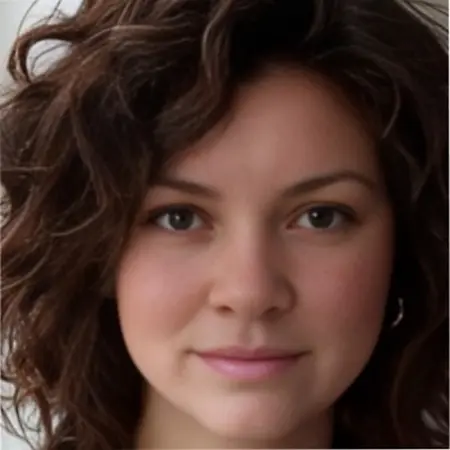
Her Story
About Amy
I've been teaching at Concordia since I graduated in 2020, and before that I was a TA there for about a year. During the pandemic, I actually went back into the hospitals so that I could get the experience necessary to teach adult health. I was already there teaching clinicals and got really involved in the relationships with my fellow nurses at the hospital, and when I saw there were staffing shortages, with my experience I was willing to kind of step in and work part-time at Northeast Methodist in San Antonio. It's such a great organization, and I had a phenomenal boss who really supported me in learning the ins and outs of working in different departments that I hadn't worked in before. She gave me opportunities to work with our IT department in developing EHR initiatives on our documentation system, taught me about federal reporting, and gave me tons of opportunities to grow into new roles. Now I'm capable of teaching just about anything in the nursing department except for the OB - I don't deliver babies, but I can teach all their other courses. That move, being able to go back into the hospitals during the pandemic and work different floors, allowed me to go full-time as a faculty. Now I serve as lead instructor for a couple of the courses that I teach, and I'm the most senior faculty in my department at Concordia, which is the largest department in the entire university. Getting to be on the front lines of that and learning the process of leadership and how to help support the university as a whole is really a privilege.
Her Interview
Ten minutes with Amy
01What do you attribute your success to?
I'm always praying about my path. I don't feel like I always have the strength to do it on my own, and sometimes what I want to do is not the right thing to do. I can't just wild out and be a trash panda every day, even though that's my natural tendencies, to be like the ER nurse that I was trained to be and just wing it. A lot of times, I gotta use my resources, and sometimes that means I gotta take a step back and think and pray about something before I do it.
02What’s the best career advice you’ve ever received?
Don't give up. That actually came from my parents - they were like, just be persistent. I've always held 2 and 3 jobs up until I started my doctoral program, and I've always been extremely persistent about getting to the goal and making sure that I'm getting all of the learning opportunities that I can get for the next step. So if I've got a goal 5 years from now, I'm gonna persist, one way or another.
03What advice would you give to young women entering your industry?
I give them a lot of advice, actually. I teach them to have their eyes open for systems-level thinking, to really look at how the organization works, and learn the negotiation skills that they need to be able to ask for the salaries that they deserve and to ask for the support they deserve. Because especially in nursing and healthcare, we tend to be understaffed, and we need strong leaders coming up. Most of those leaders are going to be women, just by the nature of what nursing is. And so I teach them to use their voice, speak up, and be really articulate about what their department is going to need.
04What are the biggest challenges or opportunities in your field right now?
Some of the opportunities that I'm seeing is writing grants. That's some of what they're teaching me in the doctoral program. That is a big place for growth, because once you start writing the small ones, you can move on to big ones. But at the same time, that's a real challenge for me. I've got a lot of administrative support and people that are really experienced at this, but they want me to do it myself and kind of create that growth. So I have to use the resources I'm being given and really try to grow the operations that we have in terms of capacity for serving people who maybe wouldn't go to college otherwise. And that requires grant funds. So that's the challenge that's ahead of me, is creating that and really growing in my capacity to be able to support an organization.
05What values are most important to you in your work and personal life?
I like having relationship with people. I feel like that's the most important thing in the work that I do. I do tend to work on recruiting people from lower-income areas in Austin, because that's where I came from. And I feel like there should be some equity in academia. So I really focus on how to help support those students through the process, to be a mentor, and to exist in relationship with those people. I navigated academia myself without having any friends or family that finished college, and it was a lonely journey.
Join Influential Women and start making an impact. Register now.