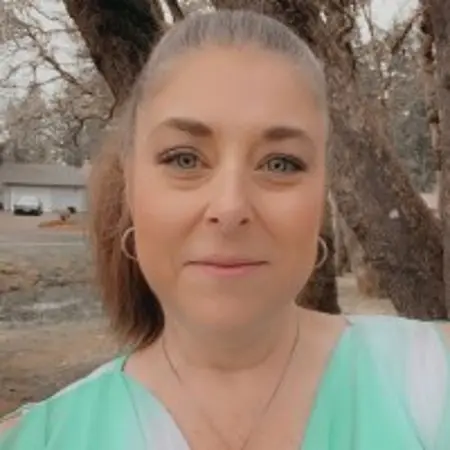
Her Story
About Amy
I came into the transportation industry after being in the medical field for 15 years. I worked with some very fantastic surgeons and moved on to manage a clinic, but insurance started changing and it stopped being about patients and started being about money. My blood pressure was very high and my husband said this job is gonna kill you, so I left and started pursuing other professions. I worked for the state for a short period but was traveling an hour and change there and back, so I got into the aggregate world doing accounts payable. When this opportunity in DOT compliance presented itself, I was hesitant because I didn't know anything about transportation or Federal Motor Carrier, and it didn't seem very exciting. But the company had just been audited and were not in a good space, so they needed help getting processes in place. I said yes, and we changed pretty much the entire dynamic of how they did everything. I took them from a conditional rating to a satisfactory rating, and we've been through three audits since then and passed with flying colors. I was able to get this company on the Trusted Carrier Program with the state of Oregon. It just was a lot of satisfaction and it feels good to do what I'm doing, so that's why I stayed.
Her Interview
Ten minutes with Amy
01What’s the best career advice you’ve ever received?
I think mistakes are just learning opportunities. Because I'm very hard on myself whenever there is a mistake, because I try very hard to be very meticulous and organized. When something does not go right, I am my own worst critic. Having somebody tell me that, you know, turn it around and use it as a learning opportunity, that's very helpful to remember. I am human, I can't be perfect all the time, I get it.
02What advice would you give to young women entering your industry?
In my industry, have big shoulders. It is male-dominated. I have a great group of people that I work with, because even when they're wearing the truck driver hat, they have a trucker mouth. And you know, if you have thick skin, it doesn't bother you so much, and they do apologize often for the things that they say. I appreciate that a lot, but I'm like, this is the industry I'm in, so I'm used to it. But you have to have thick skin, because it is a male-dominated space, and they think they know better than you, and you have to fight for your place.
03What are the biggest challenges or opportunities in your field right now?
The challenges we face in this industry are, just being a transportation industry in itself, there's already a stigma that's attached to us. People see big trucks and tankers on the road, and they automatically assume a lot of things. You know, you're gonna go too slow, I need to get around you. If I get in an accident, it's your fault. And so there's a lot of things that we have to do to protect ourselves and our drivers from people who don't want to be accountable. So that's a huge thing that we have to overcome. Of course, the oil and fuel industry in itself, I mean, we're facing some pretty big things at this moment with the possibility of fuel, like, the oil going up an astronomical amount. Well, that's really going to affect our industry. But on the flip side, everybody owns a car, and unless it's electric, you've got to go to the gas pump. So we are not going away. There's just a lot of misconceptions, and I think people just don't educate themselves.
04What values are most important to you in your work and personal life?
One of the biggest is accountability. Unfortunately, we're losing people that are accountable. They like to push it off on everybody else, and it's everybody else's fault. So just remain accountable for everything that you do. Own it.
Join Influential Women and start making an impact. Register now.