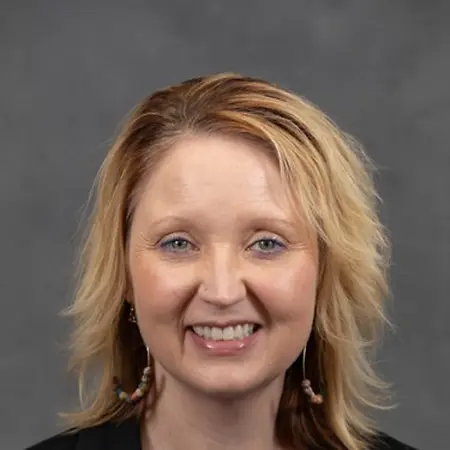
Her Story
About Andrea
Dr. Andrea Hunt is a Professor of Sociology at the University of North Alabama, where she has built a distinguished academic career as a scholar-practitioner who blends academic rigor with hands-on interventions in advocating for meaningful change. Beginning her teaching journey in 2005, she steadily advanced through the academic ranks to become a full professor. She earned her PhD in Sociology from North Carolina State University, grounding her work in a strong foundation of sociological theory and research. Her teaching, scholarship, and service reflect a deep commitment to understanding human behavior, social structures, and the ways individuals navigate identity and inequality across the life course. Dr. Hunt’s academic and professional focus centers on identity development, particularly how individuals transition through critical life stages such as entering college and moving into professional careers. Her work also explores trauma, gender bias, first-generation student experiences, and inclusive teaching practices. In addition to her academic role, she expanded her professional scope during the COVID-19 pandemic by pursuing advanced degrees in clinical mental health counseling. Since 2023, she has also worked as a mental health therapist, helping individuals gain clarity about their personal identities and life directions. Her interdisciplinary approach bridges sociology and counseling, allowing her to support both students and clients in meaningful, transformative ways. Beyond the classroom and clinical setting, Dr. Hunt has demonstrated strong leadership and community engagement. She has facilitated numerous workshops on trauma-informed practices, innovative teaching strategies, and effective communication. She founded the Mitchell-West Center for Social Inclusion, an initiative dedicated to fostering collaboration and promoting equity, which she considers one of her most significant professional achievements. She is actively involved in community efforts, including work with the Lauderdale County Juvenile Drug Court, SPAN of Lauderdale County, and advisory roles supporting youth and homelessness services. Outside of her professional life, she is a mother of two teenagers who enjoys spending time with her family, reading, practicing yoga, and being outdoors—values that reflect her holistic approach to personal and professional well-being.
Her Interview
Ten minutes with Andrea
01What do you attribute your success to?
I attribute much of my success to the mentorship I have received throughout my journey. As a young woman, I benefited from strong guidance and support during my academic years and into my professional career. I continue to seek mentorship today to gain additional perspective, strengthen my skills, and support my ongoing professional development, making it a central factor in my growth and achievements.
02What advice would you give to young women entering your industry?
I would advise young women entering any industry to actively seek out mentorship and build strong connections with others—especially with other women—throughout their careers. It is important to cultivate relationships in a meaningful and intentional way, as these connections provide support, guidance, and valuable insight. Ultimately, it is these relationships that often open doors to new opportunities and play a significant role in long-term professional growth.
03What values are most important to you in your work and personal life?
The values most important to me in both my work and personal life are mentorship and meaningful relationships, as they provide a strong foundation for growth and support. I also highly value collaboration, recognizing that working together fosters innovation and better outcomes. Additionally, I prioritize mindfulness and stress-reduction practices, as they help me maintain balance, sustain my professional performance, and support overall well-being.
Join Influential Women and start making an impact. Register now.