Her Story
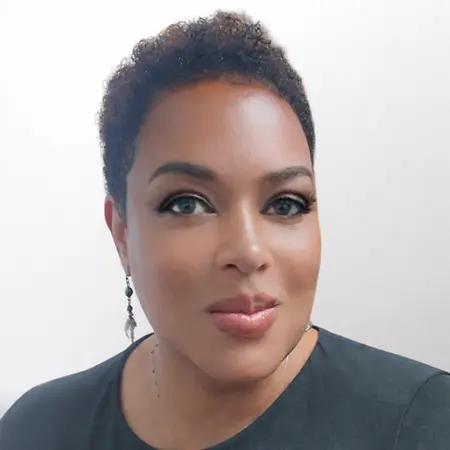
About Andrea
Andrea Jones is an accomplished international nuclear safety and security expert with over 35 years of experience in the nuclear regulatory field. She began her career in radiation safety during her undergraduate and graduate studies, working for the Tennessee Department of Radiological Health. After earning her Master of Science in Public Health from Meharry Medical College in 1992, Andrea joined the U.S. Nuclear Regulatory Commission (NRC) as a nuclear materials inspector. Over the years, she progressed through a variety of roles, developing expertise in compliance, enforcement, low-level radioactive waste management, and nuclear policy. Her work consistently emphasized public health, safety, and adherence to rigorous regulatory standards.
During her tenure at the NRC, Andrea specialized in export and import licensing of nuclear equipment and materials, ensuring that applications met U.S. government policy and nonproliferation requirements. She served as the senior licensing officer for the Office of International Programs, led complex safety and compliance reviews, and coordinated international regulatory engagements across more than 17 countries. She also represented the NRC at IAEA technical meetings and Joint Conventions on spent fuel and radioactive waste management. Her strategic guidance strengthened national and international nuclear governance while maintaining strict oversight of public and environmental safety.
Beyond her technical and regulatory accomplishments, Andrea has been a passionate advocate for diversity and inclusion within the nuclear industry. She led the Federal Women’s Program, co-chaired the Advisory Committee for African Americans, and organized initiatives highlighting the contributions of women and minorities in nuclear policy and radiation safety. Recognized with the Meritorious Award for Diversity and Excellence, she now leverages her decades of experience as the founder of Quick Nuclear Solutions, a consulting business helping companies navigate complex nuclear licensing processes efficiently and in full compliance with U.S. and international regulations.
Her Interview
Ten minutes with Andrea
01What do you attribute your success to?
I attribute much of my success to my grandmother and her sisters, as I come from a long line of educators. At a time when many Black women did not have the opportunity to attend college, they pursued careers in education and emphasized the importance of learning within our family. I am a third-generation college graduate, and my grandmother, her sisters, my father, and I all attended Historically Black Colleges and Universities (HBCUs).
My paternal grandmother and her sisters were all teachers, so education was instilled in us from an early age. As a retired schoolteacher, my grandmother taught us how to read and write before we even entered school. By the time I reached kindergarten and first grade, I was already ahead academically because of the strong educational foundation provided at home.
That early foundation gave me the tools, discipline, and mindset that contributed to my success throughout my career.
02What’s the best career advice you’ve ever received?
The best career advice I ever received was that you need both a mentor and a champion—and they are not the same. A mentor provides guidance and advice, while a champion advocates for you and supports your advancement. Throughout my career, I have intentionally maintained both mentors and champions within my professional environment and externally. Having that support system has been instrumental to my success.
03What advice would you give to young women entering your industry?
My advice to young women entering the industry is to actively seek out mentors and champions who can guide and support your growth. Be resilient in the face of challenges, continually strive to match or exceed the performance of your peers, and advocate for the visibility and recognition of women and minorities in the nuclear field.
04What are the biggest challenges or opportunities in your field right now?
One of the biggest challenges in my field is navigating complex and sometimes opaque export and import regulations, especially in the context of geopolitical concerns involving countries like Russia, Ukraine, and China, which have tightened controls. Additionally, reductions in internal affinity programs have made it more difficult to maintain visibility and support for minorities.
At the same time, there are significant opportunities. There is strong demand for clear, expert guidance on licensing and compliance, and a growing need to highlight and expand diversity within this small, highly technical niche.
05What values are most important to you in your work and personal life?
Education, diversity and inclusion, resilience, and protecting public health and the environment are the values I prioritize most in both my work and personal life. I also maintain balance and well-being through practices like Pilates, which help me stay focused and energized.
Join Influential Women and start making an impact. Register now.