Her Story
About Angely
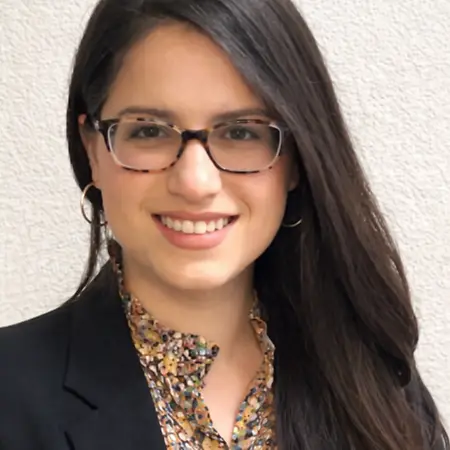
Angely Piazza Rodriguez, PhD (She/Her) is a Clinical Neuropsychology Fellow in Miami, Florida, whose work is deeply rooted in cultural humility, health equity, and service to underserved communities. Born and raised in Puerto Rico in a low socioeconomic community, Dr. Piazza Rodriguez was inspired to pursue neuropsychology after observing older adults in her neighborhood who defied prevailing Western assumptions about aging and dementia. Despite limited formal education, restricted access to healthcare, and socioeconomic hardship, many lived well into their 90s and 100s with preserved cognitive functioning. These lived experiences sparked her early questions about resilience, culture, and brain health—and shaped her lifelong commitment to advancing neuropsychological care for Hispanic and Latino communities. Dr. Piazza Rodriguez earned her PhD in Clinical Psychology with an emphasis in Neuropsychology from Palo Alto University and completed advanced clinical training at UCLA, Johns Hopkins Hospital, UCSF’s Memory and Aging Center, and Kaiser Permanente. She currently practices in an outpatient neurotrauma center, where she conducts comprehensive eight-hour neuropsychological evaluations for patients with traumatic brain injuries, strokes, and diverse dementias, including atypical presentations. She collaborates closely with interdisciplinary teams—including neurology, occupational, physical, and speech therapy—to develop individualized treatment plans. Her work includes producing detailed, integrative reports and providing feedback to patients and families to support understanding, planning, and care. In addition to her clinical practice, Dr. Piazza Rodriguez is dedicated to mentorship and education. She supervises and trains doctoral students in neuropsychology, teaching assessment administration, interpretation, report writing, and feedback delivery. She also provides didactic instruction to neurology residents and psychology trainees, reinforcing culturally informed, scientifically grounded practice. A bilingual clinician and Certified Healthcare Interpreter in Spanish, she remains steadfast in directing her research, outreach, and professional efforts toward improving access and outcomes for Hispanic and Latino populations. Outside of her professional life, she enjoys dancing salsa—having been a member of her college dance team—playing tennis since high school, and spending time at the beach. She recently welcomed a baby and continues to balance motherhood with her commitment to clinical excellence, mentorship, and community impact.
Her Interview
Ten minutes with Angely
01What do you attribute your success to?
I would say resiliency. As Puerto Ricans, we're resilient. With the limited resources we have, we continue to push through. When I started my PhD program, Hurricane Maria hit Puerto Rico, and its impact on my home, my family, and my friends took a toll. I took a break from school and returned home to help my family. During my time home, I saw my people seek hope in dark times and work together to overcome the hurricane's aftermath. That gave me the courage to continue my career and to fulfill my mission of giving back to the community that gave me so much.
02What’s the best career advice you’ve ever received?
I would say to always advocate for yourself and your patients, because sometimes we try, or we are told to abide by what academia or others in the field may want. As a woman and a minority, I was told always to persevere, to advocate for what I believe in and my values, and to always advocate for patient care, even if others don't agree.
03What advice would you give to young women entering your industry?
I would say that it's not going to be easy. There will be more times than not when you're going to think, 'Should you just quit and do something different? ' And those are the moments that you should say, 'No, I have to continue.' It's going to be a very bumpy ride, but it will be extremely rewarding. We need more female neuropsychologists in the field, especially Latinas and Hispanics. We are super women, and we can really do whatever we put our minds to. Just keep going!
04What are the biggest challenges or opportunities in your field right now?
Neuropsychology is a relatively new discipline, and it's very niche. The community and medical providers don't know what neuropsychology is and what we can offer. Access to a neuropsychologists should be more readily available and covered by all insurance companies.
05What values are most important to you in your work and personal life?
Empathy. Empathy is crucial because many of our patients come to us during very difficult times. Patients and families seek answers that can be terrifying and life-changing. Bedside manner and personality skills help build trust in them and their treating team. I hold on to my openness and personality quirkiness to build connections with referring providers and always hold the door open for feedback and learning.
Join Influential Women and start making an impact. Register now.