Her Story
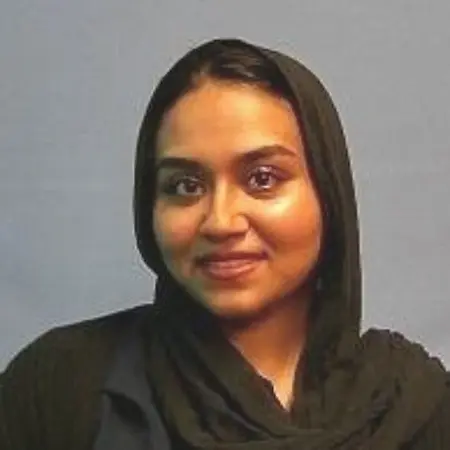
About Anika
I come from an immigrant family and am a first-generation college graduate, which makes my journey especially meaningful to my parents. Growing up, I heard stories about my uncle who was in the Navy while doing med school at the same time, and that really inspired me. I wanted to work in healthcare but in a way where I could use my hands and be physically active without being on my feet 24/7 like in surgery. I noticed there were no dentists in my family, and after researching and remembering my positive experiences with my childhood dentist, I decided to pursue dentistry. My childhood dentist had awards all over her clinic, including America's top 10 dentists for every year of her 30-plus year practice, and I wanted to be just like her. During undergrad, I needed 350-plus volunteering hours, so I asked to shadow her. She was hesitant at first, but I was persistent, and within the first week she hired me as a dental assistant because she liked the way I worked. Within 3 to 6 months, she promoted me to office management. I'm so loyal to her that I plan to stay until she retires. I struggled during undergrad and even failed genetics almost 3 times, which held me back a semester from graduation. Seeing my classmates graduate on time was an eye-opener, and I lost confidence, but I redeemed myself and walked the stage. Seeing my parents proud as the first generation getting her degree made me realize that education is something that can never be taken away from you. During COVID, when we were closed for almost 6 months, my parents encouraged me to go to grad school at DePaul University for my master's in public health to boost my GPA and make use of my time. In grad school, I aced my classes and did internships with the AIDS Foundation in Chicago, working with individuals experiencing homelessness who were diagnosed with HIV or AIDS, helping connect them with resources. I recently earned certifications in project management through Google and Scrum. Now I manage day-to-day operations for 3 offices, assist with patient access and care coordination, coach clinical and administrative personnel, and utilize managerial software like Excel. As the eldest sister, I already have the trait of managing and juggling everything at once, so this role feels natural to me.
Her Interview
Ten minutes with Anika
01What do you attribute your success to?
I believe that having family support and friends, and also building good, positive relationships with your team, which will turn into family as well, is what has helped me become successful. Once you have that trust that you can create with your co-workers, then I believe everybody becomes your family, and everybody pushes you to be better. Seeing my parents proud as the first generation getting her degree made all the difference for me.
02What’s the best career advice you’ve ever received?
The best career advice I've received is that if you're experiencing a difficult patient, don't let it get to you or hurt your feelings. Think of it as if that person is going through a bad day, and you're just trying to help them out the best way possible. If they don't want to see that, it's on them, but later on, they will think about it and try to change. I've had patients who treated me absolutely terribly, and then two to three weeks later, they would come to their follow-up appointments and apologize, saying they were just having a bad day and that I'm a really nice person. The key is to just treat everybody with kindness, and you will see the results.
03What advice would you give to young women entering your industry?
I would say don't wait to feel ready. I have noticed that, as a woman myself, I often wait till I see the 100% or the perfect chance, or when I feel comfortable. I would say just go for it, because your confidence will come after your actions, not before. Men usually just go for it when they meet 50% or 40% of whatever they're trying to achieve, but as women, we love to think a lot and lay out our options and try to be more strategic. But I feel like if we were to apply the mentality that men use when it comes to the career workforce, we would be a lot more confident about ourselves and also more successful. Also, learn how to advocate for yourself early on. That would show boundaries and also respect in your professional space and your personal life as well. And financial independence is a very, very big factor, in my opinion. I value that a lot, because that would also give you a lot of freedom as well.
04What are the biggest challenges or opportunities in your field right now?
In terms of opportunities in my field, I see positions like program coordinating, health educator, and outreach specialist - anything with healthcare related or office management, or a combo of office management and healthcare. I really want to try out something in the medical field right now, like maybe a program manager or program coordinator, and see how I would do in that area. But I also don't want to risk it either, because I'm more comfortable with oral health and things like that.
05What values are most important to you in your work and personal life?
The values most important to me are honesty, communication, trust, transparency, punctuality, organization, and being clean. I make sure to communicate well with my team because I believe communication plays a big factor everywhere. If you're not really communicating with your team, everybody does their own thing, and it just doesn't run well. I also try to be best friends with everybody, but I keep a line and make sure people don't cross it. We're all there for each other, but that doesn't mean you take advantage of the community that we build. I make sure we keep that boundary as well.
Join Influential Women and start making an impact. Register now.