Her Story
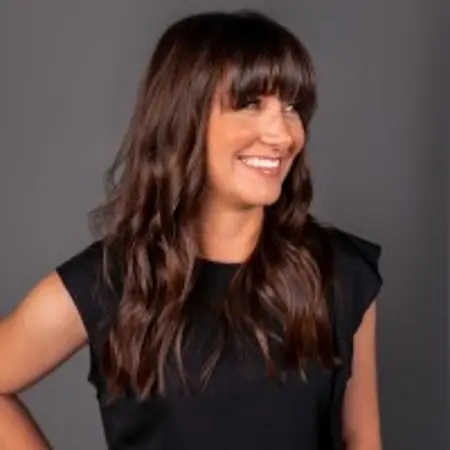
About Arianne
I've been working in the water and wastewater industry since 2009, and my journey has been incredibly unique. I started on the public servant side working for municipality water utilities, then moved into consulting in the water space, and now I'm on the manufacturing side of the industry. This is unusual because most people in our field typically stay in one sector - you're either a public servant working for a water utility who goes to consulting, or you stay in one place. But I've gotten to see the whole industry in a way few others have. In my current role, I serve as a connector between my organization and the industry at large. It's a very unique position where no day is the same. I work on everything from gathering trends and market intelligence for my internal leadership to attending conferences and industry events. I spend most of my time out at conferences and different events related to the water industry, just getting to know people. It's very relationship-driven work, and I get to work from home, which is amazing. The work I do is really about building relationships and staying connected to what's happening across the entire water and wastewater sector. I also started a Women in Water initiative in my own organization because I want to pave the road for women coming after me, just like the women before me did for my career.
Her Interview
Ten minutes with Arianne
01What’s the best career advice you’ve ever received?
The best career advice I've ever received is that done is better than perfect. So often we get stuck in being perfect, and paralysis by analysis happens, and then we don't achieve the goal we were set out to do. Done is better than perfect is kind of my quote that helps me realize or remember that it doesn't have to be perfect - you can take risks, and it's okay. If you fail, then it's okay, but you're not getting yourself in that overthinking mode where you're in the weeds, you're in the details. You're done, you're moving on to the next thing.
02What advice would you give to young women entering your industry?
First of all, we have very little women in our industry - we're 85% men. The reason I'm where I'm at in my career today is because there's been women who paved the road ahead, and so continuing that kind of give back is shining a light on the women and on others, lifting them up, being their biggest supporters. I've started a Women in Water initiative in my own organization for that reason, because I want to be able to pave the road. Where the women before me may have dug the road out, now I get to pave it, and hopefully the person behind me gets to ride a bike and go faster than we ever did. I would just say continuously shine a light on one another, and also don't be afraid to own your own calendar, to say no to things, because so often, especially women, we have a hard time of saying no, and feeling like we need to say yes to everything, and so we get burnt out really fast. Keeping yourself healthy is super important. So yeah, shine the light on us and take care of yourself.
03What are the biggest challenges or opportunities in your field right now?
In the water and wastewater space, we're facing a tremendous amount of challenges. We have a huge funding gap and aging infrastructure - there are pipes in the ground that are very old in some places, and it's a challenge to replace those. We have huge funding gaps from the federal to the state levels. We also have an aging workforce - I think at this point, 80% of our industry is eligible to retire. That's a huge gap, because if everyone decided to retire, then we have no water and wastewater, which means you don't get to flush your toilet and you don't get a cup of water from the kitchen. We literally would just fall apart. We have some pretty significant challenges. In the U.S. today, we still don't have 100% clean water for everyone - there's about 2 million people in the U.S. who have no access to water or wastewater. We are at an age of transformation, and it's out of time right now to start investing in our infrastructure and in our people, so we can build a resilient system for the future.
04What values are most important to you in your work and personal life?
One of the reasons I chose to work in this space that I'm in right now is how much my company values family, and that's always been my driver and my center. I've worked in three different areas of this industry - whether it was in the city or municipality space, or as a consultant where I started my own business and had my own podcast with a co-founder. We had a great experience, but when that experience got bigger and started taking away from family time, that's when I realized we need to step back and slow things down. So then I took this next role in the manufacturing side of the industry, and that was one of the key parts of joining this particular organization - because they truly valued family above all. I think taking care of my kids and being a wife is more important than any of it, even though it's all important work. I would say family is one driver, and then the other driver is getting to be my true self. I'm authentically 100% authentically myself. If you can't handle my authenticity, we're probably not going to get along really well, because I'm not going to fake it and be too buttoned up or polished. So one of the drivers is family, and then the other driver is getting to be my true self in any of the work I do.
Join Influential Women and start making an impact. Register now.