Her Story
About Audra
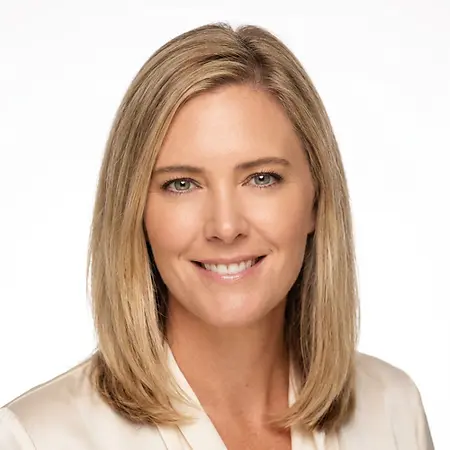
Audra Rankin, M.Ed., LPC, is a mental health therapist and Licensed Professional Counselor practicing in Huntsville, Alabama. She serves as a Mental Health Counselor with A. Rankin + Associates, LLC, where she provides professional counseling and mental health support tailored to the needs of her clients. She has worked in the mental health field since 2021 and previously spent approximately 10 years as a school counselor in Birmingham, supporting students and families through a variety of personal, emotional, and developmental challenges.
Rankin earned her undergraduate degree in psychology from Auburn University and her master’s degree in counseling from the University of Montevallo. Her areas of specialization include trauma therapy, and she is trained in Eye Movement Desensitization and Reprocessing (EMDR), as well as Internal Family Systems and somatic approaches. Her therapeutic philosophy emphasizes compassionate, individualized care while drawing on research-informed techniques to help clients navigate challenges, strengthen coping skills, and achieve meaningful personal growth.
Beyond her clinical practice, Rankin is professionally engaged through membership in EMDRIA and the American Counseling Association. She also contributes to her community through involvement with Alabama nonprofits Magic Moments and Smile-A-Mile. Through her work as a counselor, specialized trauma training, and community involvement, Rankin demonstrates a strong commitment to mental health advocacy, compassionate service, and helping individuals and families move toward greater resilience and well-being.
Her Interview
Ten minutes with Audra
01What do you attribute your success to?
I attribute my success to God, my family, my friends, and the incredible support of my community. I am grateful for the many knowledgeable and talented people around me, as well as the resources available to therapists to pursue ongoing training and learn new, research-based therapeutic modalities. These approaches are becoming increasingly recognized because of their effectiveness, and I am thankful to have opportunities to continue learning, connect with others in the field, and incorporate proven techniques into my work.
02What advice would you give to young women entering your industry?
My advice to young women entering the industry is to believe that you can pursue whatever path is right for you. If you want to build a career, become a wife and stay home with your children, or find a balance between family and professional life, you should feel empowered to make that choice. I would strongly encourage every young woman to get an education and travel, just as my grandmother encouraged me, because those experiences are investments in yourself that no one can take away. Having an education and the ability to support yourself financially provides independence, freedom of choice, and the confidence to stand on your own feet if circumstances change. Being a stay-at-home mother and wife can be an incredibly meaningful and fulfilling calling, but it is not an option available to everyone. Whatever path you choose, I believe it is important to equip yourself with the education, experiences, and skills that allow you to care for yourself and your family and navigate whatever life may bring.
03What are the biggest challenges or opportunities in your field right now?
One of the biggest challenges in my field is that some individuals and families remain hesitant to seek therapy. This can stem from previous negative experiences, discomfort with vulnerability, financial constraints, or challenges with insurance coverage. At the same time, I see a tremendous opportunity in the growing openness and normalization of mental health care. There is greater awareness that it is okay to ask for help and seek professional support, including in communities across the Deep South where mental health concerns have sometimes been viewed as something to handle privately. I believe that reducing stigma and encouraging open conversations about mental health can help more people recognize therapy as a valuable resource and feel comfortable taking that first step.
04What values are most important to you in your work and personal life?
The values most important to me in both my professional and personal life are balance, fairness, and creating opportunities for people to thrive. As a therapist and business owner, I believe clinicians should be fairly and competitively compensated for the demanding work they do and the education and training they have invested in. My goal is to build a practice where my clinicians can provide excellent care without feeling that they have to work constantly, while also creating an environment where clients receive the highest quality support. I also value having the flexibility and financial freedom to be fully present with my children and family outside of work. Ultimately, I believe success should allow people to invest in what matters most to them, whether that is their health, family, personal growth, or meaningful experiences, while maintaining a healthy and sustainable balance between professional and personal life.
Join Influential Women and start making an impact. Register now.