Her Story
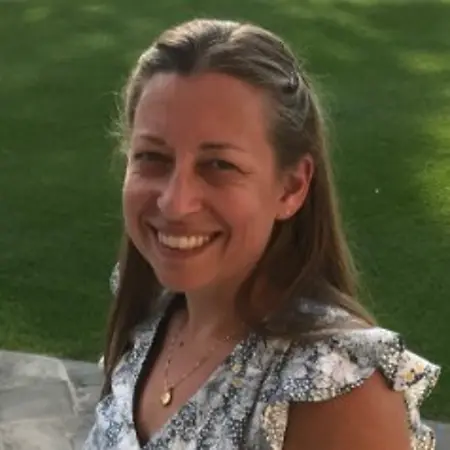
About Audrey
Dr. Audrey Zapletal is an occupational therapist, educator, and leader with a 26-year career dedicated to helping people participate in the activities that give meaning and purpose to their lives. Her journey into occupational therapy began as a counselor at Camp Dream Street, an overnight camp in Mississippi for children with physical disabilities, where she discovered the impact of supporting individuals in reaching their goals and independence. Since then, she has built a diverse clinical background in pediatrics, working across early intervention, school-based programs, hospitals, intensive care units, outpatient settings, and private practice. Her passion for helping children and families has continued to shape her work as both a clinician and educator.
Dr. Zapletal currently serves as Teaching Associate Professor of Occupational Therapy at Thomas Jefferson University, where she teaches future occupational therapists in areas including neuroanatomy, intervention strategies, leadership, research, and professional practice. She entered academia early in her career and became full-time faculty at Jefferson in 2006, later serving as Program Director for the MS in Occupational Therapy Hybrid-Weekend Program. Her expertise has expanded into simulation-based education, program development, and inclusive healthcare training. She co-developed a seven-month annual professional development program focused on Sexual and Gender Minority Education and Training, designed to support faculty, clinicians, administrators, and healthcare professionals in creating more inclusive learning environments and patient care experiences. She is also a leader in simulation education for rehabilitation professions and contributed to advancing best practices through national collaborations and the publication of a clinical simulation resource for rehabilitation professionals in 2022.
Throughout her career, Dr. Zapletal has been driven by mentorship, teamwork, evidence-based practice, and a commitment to making a meaningful difference. She finds her greatest fulfillment in watching students grow in confidence and develop projects that create lasting change, from improving care for children with disabilities to expanding inclusive practices across healthcare settings. Her contributions have been recognized through honors including the Jefferson Innovators Award and recognition as a distinguished fellow in the National Academies. Outside of her professional work, Audrey values time with her husband, two children, family, and community organizations. She continues to advocate for learning, collaboration, and compassionate care, inspiring the next generation of healthcare professionals to approach their work with curiosity, responsibility, and purpose.
Her Interview
Ten minutes with Audrey
01What do you attribute your success to?
I think it's hard work, but hard work that doesn't feel like hard work because I enjoy being an occupational therapist and enjoy the process. It also has to do with my mentors that I've had and the collaborations and teamwork that I've been a part of. Teams that are energizing are so fun, and you can make such an impact. I'm blessed that I have been a part of a ridiculous number of teams like that.
02What’s the best career advice you’ve ever received?
The best career advice came from Macy B. Hart, the founder of Henry S. Jacobs Camp, which is where the grasses of Camp Dream Street are. He said, 'Somebody's gotta go to Juilliard, you should apply.' At that time, I was very much considering a career in piano performance, and I said to him I would never apply to something like that. Well, of course, things change. But basically, if you've got a vision, you gotta go after it.
03What advice would you give to young women entering your industry?
The advice I give to my students in particular is that you're entering a field where you're responsible for someone else. As a professional, it's important that you take the time to understand what you're doing, why you're doing it, and use credible sources. This includes looking at mentors who have the expertise and have earned the credentials or just have that background experience. I think that's the most important piece, and mentors can come from different fields, it doesn't just have to be OT. But those should be your core mentors. And then find others who are outside of the field, because that will just make you a better professional, giving you new ideas and new skills.
04What are the biggest challenges or opportunities in your field right now?
I think the biggest challenge right now, and everybody's in it, is understanding the impact of AI, how it's used, what are all the components behind the scenes, how to keep people safe, and how to have the conversations when you're using AI, either for patient care because it's required for your work or for a presentation because you need it as a tool. You need to be able to talk about it so people understand why you're using it. Is it related to efficiency? Is it related to best practice? Is it being proactive in diagnosing? We're not there yet. So it's really difficult for students, in particular people entering the field, to understand what is still good practice when the tools are still being developed and how to use those tools. Another challenge is that as much as our world has become technologically more advanced, the human interaction, that face-to-face interaction, will never be replaced by Zoom, email, or other technologies. Technology is a tool that can help us be more accessible for teaching, learning, and patient care, which is great. However, when in person or when having those opportunities to be together, the energy, the collaborations, the mentorship is so much greater. And there is less miscommunication that can occur because you're face-to-face and not seen through a screen. Those are two major challenges that this generation is going to have to navigate.
05What values are most important to you in your work and personal life?
The first one that comes to mind is teamwork. You're always more productive, more ideas are shared, there's always a better product when you have a team that wants to be there, sees the value, and wants to do good. I think we also have a responsibility to ensure that we do good while we're here on this earth. Whatever it is, if it's environmental, sustainability, climate control, or just being mindful of our day-to-day practices, that's really important. And in whatever role you're in, whether you're working with students or with a patient, you do your best to do good. You use evidence to support your ideas and try to tell people as best you can why you're doing what you're doing, because that helps communication and buy-in and supporting the effort. Around diversity, I think that's really important, and that actually stems from one of my rabbis growing up. Growing up Jewish in Jackson, Mississippi is really unique, and the importance of accepting different faiths, different backgrounds, different beliefs, and collaboration is crucial to live a productive life. That was just embedded at my synagogue from day one. It's always been a thread of not always being comfortable hearing different opinions and perspectives, but really trying to listen and understand so that way we can move forward.
Join Influential Women and start making an impact. Register now.