Her Story
About Beth
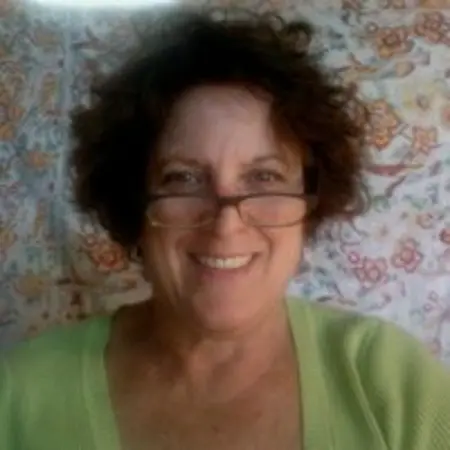
Beth Hartley is a lifelong educator, mentor, and advocate for bilingual and multicultural education whose career spans more than four decades. Since entering the field in 1978, she has dedicated her work to supporting both students and teachers across diverse learning environments. What began as an unexpected path—after initially aspiring to become an actress—evolved into a calling rooted in language, culture, and connection. Influenced by her mother’s experience as a Spanish-speaking learner, Beth pursued bilingual education and went on to build deep expertise in elementary, general, and special education, becoming what she describes as a “teacher’s teacher.”
Throughout her career, Beth has made a lasting impact not only in the classroom but also in teacher preparation and mentorship. She has served as a mentor with the Alaska Statewide Mentorship Project since 2010, working extensively with educators in remote and rural communities across Alaska. Through virtual and in-person coaching, she supports teachers in refining their practice by fostering reflective dialogue, focusing on student outcomes, and honoring each educator’s unique strengths and identity. In addition, she spent eight years as an instructor and coordinator for a teacher preparation program at the University of Alaska Southeast, helping to shape the next generation of educators.
Beyond her work in education, Beth is also a writer and creative thinker, exploring fiction, science fiction, essays, and opinion writing. While she modestly describes herself as a “potential novelist,” her passion for storytelling reflects the same curiosity and insight she brings to her professional life. Splitting her time between Alaska and New Mexico, Beth continues to mentor, write, and contribute to the field of education with a deep commitment to human connection, lifelong learning, and service.
Her Interview
Ten minutes with Beth
01What do you attribute your success to?
I attribute my success to a combination of factors. I was fortunate to have certain advantages early in life, including financial and familial support, but I’ve also been deeply shaped by the people who guided me along the way—mentors, teachers, counselors, and others who invested in my growth. Equally important has been my own resilience and motivation. I’ve always been willing to keep learning, keep showing up, and keep doing the work.
02What’s the best career advice you’ve ever received?
The best advice I’ve received is simple but powerful: listen, and don’t take things personally. Listening allows you to truly understand others, grow in your practice, and respond thoughtfully rather than reactively. Not taking things personally helps you stay grounded and focused, especially in a field where emotions and challenges can run high.
03What advice would you give to young women entering your industry?
Teaching is demanding work, so it’s important to go into it with both passion and discipline. Be highly organized, stay committed to improving your practice, and invest time in building meaningful relationships with your students. Those relationships are at the heart of effective teaching and will shape both your experience and your impact.
04What are the biggest challenges or opportunities in your field right now?
One of the biggest challenges is navigating the political and administrative complexities that can impact education systems and classrooms. At the same time, there are meaningful opportunities through mentorship and professional networks. These connections can open doors to new roles and pathways, and they also allow us to support others coming into the field and pay that guidance forward.
05What values are most important to you in your work and personal life?
The values that guide me are rooted in humaneness—care, respect, responsibility, and self-discipline. I believe in approaching both my work and my life with a strong sense of service. At the end of the day, it’s about how we treat others, how we show up, and the kind of impact we leave behind.
Join Influential Women and start making an impact. Register now.