Her Story
About Beverly
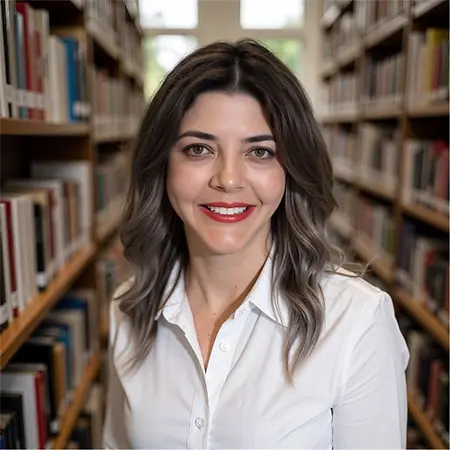
Beverly Quiros is a healthcare leader, entrepreneur, and Family Nurse Practitioner based in Atlanta, Georgia. Originally from Costa Rica, she immigrated to the United States nearly 24 years ago, beginning her journey working as an au pair and later as a nanny while learning English as an adult. Despite early language barriers, she pursued higher education with determination, earning a Bachelor of Science in Nursing (2015) and a Master of Science in Nursing as a Family Nurse Practitioner (2018) from the Emory University School of Nursing, followed by post-master’s training in emergency nurse practitioner practice.
Throughout her clinical career, she has gained broad experience across public health, emergency care, internal medicine, neurology, pain management, and urgent care settings. She served vulnerable populations in Georgia through public health programs focused on tuberculosis, sexually transmitted diseases, immunizations, and women’s health before advancing into acute and specialty care roles. Her work has consistently emphasized accessibility, patient-centered care, and the integration of telemedicine to improve service delivery, particularly for working individuals and underserved communities.
In 2024, she founded Advanced Psychiatric Solutions (APS), where she currently serves as Chief Executive Officer. Through APS, she leads a multidisciplinary team providing psychiatric and neurological care with a strong focus on compassion, flexibility, and evidence-based treatment. Her leadership philosophy centers on empathy, collaboration, and empowering both patients and staff, with the goal of expanding access to high-quality mental health services while fostering a supportive and innovative care environment.
Her Interview
Ten minutes with Beverly
01What do you attribute your success to?
I attribute my success to always wanting to do my best in everything, no matter how big or small the task. From a young age, I've had this drive to be independent and to excel, whether it was in school back in Costa Rica or later when I came to the United States. I believe you have to take pride in the little things you do in your life - the little, the big, the middle-sized - you have to be prideful and respectful of other people's time and try to do your best. I think I was born this way, always wanting to do the best I can. Even when I was in pre-K, I wanted to be the leader of the group. What I've learned through my experience of learning English and going to school is that you have to be perseverant and resilient. You have to believe in yourself, but more importantly, you have to do the work. That's the big difference between successful or not - it's not only the willingness and the thought, you have to put in the effort. Sometimes it's not easy, sometimes it's stressful, and sometimes you want to quit, but you can't quit. When it's a difficult day, you take a break, unplug from everything, take a walk, take a deep breath, and the next day is going to be better. Your energy and your words impact people more than you believe, so I try to be the better version of myself every day, because that energy might change someone's life.
02What’s the best career advice you’ve ever received?
The best career advice I've ever received is to make the effort and be consistent with your goals. Understanding that not everything is going to be easy is crucial - you won't know everything that's going to happen tomorrow, and even when you do the effort, you might not always show the result that you want. But if you have a clear goal and perseverance, you can obtain, to a certain degree if not all degree, what you're hoping to obtain. I also learned the importance of being able to adapt to change. Not everything is going to go the way that you hope, but that doesn't mean it won't come with a lesson - whether it's a financial lesson, a moral lesson, or a personal lesson. You're going to learn something from the effort and the consistency. If you are consistent and you understand that you have to have the ability to change and put the effort into that, I think you're able to accomplish your personal and financial goals. But you have to have those two things in mind - consistency and adaptability.
03What advice would you give to young women entering your industry?
I'll never forget, you have to have compassion and empathy. If you're doing healthcare, regardless of whether you're going to be doing administration, business, or direct patient care, have empathy. I always tell my team that people come to see us - this is not a hotel, we're not going for vacations. People are not calling us because they're feeling great and want to book a trip to Ireland. People have an issue, they have a problem, they have an emotional condition that we need to help them with. So empathy, for me, for any young woman that wants to enter into healthcare, you need to have empathy, regardless of the position that you have. If you're going to be in administration, you have to have empathy with your coworkers, because they're the ones who are going to be with patients daily, and they sometimes have to suffer with the patient, dealing with difficult family members or even a difficult day in their own family life. I think we have missed this as a society - we forget about others. It's all about me, me, me. If we take a little break, a little deep breath, and ask where this person is coming from, what's their point of view, why are they feeling this way, why are they acting this way, you'll find out that most times you shouldn't take things personally - they come from their own baggage and history. With empathy, we can better the communication, and I think a lot of the problems in this world would be better if we understand each other and try to make at least the effort. We don't have to agree on everything, but we have to be respectful and have empathy. You have to be a light where you are and illuminate the place so people can see clearer, and you're going to be able to deliver the care, the love, and the compassion that you have.
04What are the biggest challenges or opportunities in your field right now?
One of the biggest challenges for women in my field is that sometimes it's still happening that people might not take you too seriously. The environment I work in involves a lot of personal injury - I deal with personal injury attorneys and clinic owners who don't have medical or nursing backgrounds, and the majority of the owners are male. Breaking through the industry is something that hasn't been easy - not impossible, but hasn't been easier. I think there's still sometimes a little bit of the stigma that you cannot be cute or pretty and smart - that's not possible. That stigma is still out there. It's better than the 50s, for sure, but it's still there. As for opportunities, I think people are more aware of the importance of mental health now. COVID-19 was a horrible thing that happened, but one of the positive things that came from the pandemic is that people understand the importance of mental health. Before, people believed that physical illness was the one that mattered most - if you have a broken bone, a bruise, or a headache, that was what people really focused on. But when we were isolated during the pandemic and couldn't spend time with each other, the mental health crisis started happening, and people started seeing that mental health is an intrinsically important part of the human being. After COVID, people have understood that telemedicine is a valid tool, at least for mental health - to talk to somebody to help you, to give you some medication or advice. That communication through the phone or camera can really be healing. I think if we take that nurturing nature that we have within us as women and put it out there to help others, especially in the mental health and healthcare industry, we can make really powerful impacts in other people's lives.
05What values are most important to you in your work and personal life?
The most important values to me are making the effort and understanding that it's not going to be easy. You have to set a clear goal with discipline and be consistent. You also need to have the ability to adapt to change, because not everything is going to go the way that you hope. But that doesn't mean it won't come with a lesson - whether financial, moral, or personal. I believe in taking pride in everything you do, whether it's small, big, or middle-sized. You have to be prideful and respectful of other people's time and try to do your best. I also value perseverance and resilience - sometimes things might not go exactly the way you want, but consistency and effort will show results. You have to be consistent, and it's not something you can do for just one month, three months, or even a year. Depending on the level of success or your goals, your level of commitment has to match. I still believe in the American dream, but you have to do the work, make the time, and be consistent with your goals to achieve them. In my personal and professional life, I value empathy, compassion, and understanding. I believe in the power of team building and working with others as a community, not just on a solo journey. When you think about success as a community effort rather than a lone trip, you have more impact on your goals and in people's lives. I also value spending quality time with people that matter - it doesn't have to be an extravagant trip or dinner, just quality time with people I love and appreciate.
Join Influential Women and start making an impact. Register now.