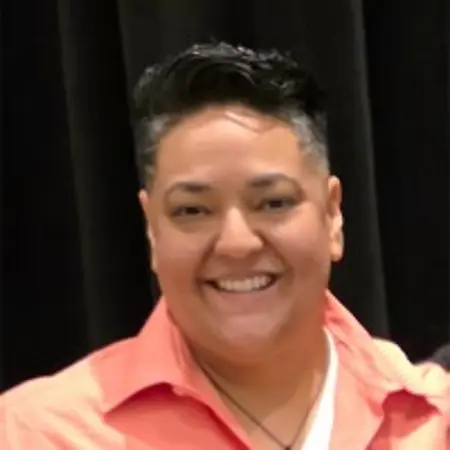
I learned asking for help isn't weakness but courage. Strong mentors showed me questions are catalysts for growth, not burdens. Letting others support us expands possibilities.
Brenda Lozoya · In Her Own Words
Her Story
About Brenda
Brenda Lozoya is a developing mental health counselor whose professional identity is grounded in cultural humility, relational presence, and a strong commitment to serving rural and underserved communities. She views counseling as a collaborative process in which clients’ lived experiences, cultural backgrounds, and personal strengths guide the therapeutic journey. Her work is informed by trauma-responsive care, integrated behavioral health principles, and a deep respect for the resilience present within individuals, families, and communities. As the daughter of Mexican immigrants who later became U.S. citizens, Lozoya’s path into mental health counseling was shaped by personal experience. Growing up in a low socioeconomic household while navigating her own mental health challenges and undiagnosed learning disabilities, she once believed her struggles reflected a personal shortcoming. After receiving the support and diagnosis she needed, her perspective changed dramatically and ignited a passion for helping others facing similar barriers. Inspired to bridge gaps in care for her community, she earned a bachelor’s degree in Psychology, completed extensive continuing education in substance use disorder, and recently completed her master’s degree in Mental Health Counseling in March 2026. Lozoya currently works at a Certified Community Mental Health Center as an intensive outpatient counselor, where she manages a caseload of approximately 50 clients and facilitates group counseling sessions several times each week. She is known for approaching clients with respect, empathy, and genuine curiosity—especially those who may initially feel resistant or mandated to attend treatment. Through attentive listening and meaningful engagement, she helps individuals rediscover confidence and begin to thrive. Committed to lifelong learning, ethical practice, and advocacy for equitable access to care, Lozoya strives to combine clinical skill, cultural responsiveness, and community-centered values to empower clients on their path toward healing and growth.
Her Interview
Ten minutes with Brenda
01What do you attribute your success to?
I attribute my success to my personal journey and to the opportunities my parents created for me—opportunities they never had themselves. My mother, my wife, my niece, and my wolfpack of strong women have shaped me in ways I can never fully express. As Mexican immigrants who became U.S. citizens, my parents gave me access to education and possibilities.
Growing up with unrecognized learning disabilities and mental health challenges, I once believed my struggles were a moral failing. It wasn’t until I flunked out of junior college and finally received the diagnosis and support I needed that everything changed. That experience—and the barriers my family and community faced—motivated me to serve others who often go unseen or unsupported.
Working at a Certified Community Mental Health Center with underserved populations has been one of the greatest honors of my life. Helping people access resources, witnessing their transformations, and celebrating their daily wins is incredibly meaningful.
I’ve also been fortunate to have mentors who invested in me wholeheartedly. Women like Jessica Tavarez, Dr. Sheila Nicole Russell, and Felicia Williams have encouraged me to lean into discomfort, pursue opportunities boldly, and give myself grace along the way. Their leadership showed me the difference between supervisors who simply show up and those who truly uplift others. Their influence continues to guide me as I grow personally and professionally.
02What’s the best career advice you’ve ever received?
The best advice I’ve received has come from the remarkable women who have mentored me. Jessica Tavarez encouraged me to pursue the fellowship that changed the trajectory of my career. Dr. Sheila Nicole Russell modeled what genuine mentorship looks like—supportive, challenging, and deeply invested. And Felicia Williams brought warmth and humanity to every interaction, reminding me that leadership can be both strong and compassionate.
Dr. Gerardo Wence-Munoz encouraged the interns' cohort to delve deeper, to truly listen and guide the self-exploration of those trusting behavioral health professionals. He challenged us by asking, "Or is it that you are petrified?"
Their guidance taught me to lean into discomfort, to pursue what I want even when it feels intimidating, and to offer myself grace as I grow. The message that stays with me most is: lean into the discomfort, and as Maya Angelou advised, when we know better, we can do better. I hope to pass that same encouragement on to others.
03What advice would you give to young women entering your industry?
Follow your passion—unapologetically. Don’t let anyone or any system convince you that your dreams are out of reach. Stay grounded in your goals, trust your path, and give yourself grace along the way. Growth takes time, and every step forward matters.
If I can offer inspiration or mentorship to woman finding their passion, who feel unsure or hesitant, I would be honored. Sometimes all someone needs is a small spark of encouragement to realize what they’re capable of.
04What are the biggest challenges or opportunities in your field right now?
One of the biggest challenges in behavioral health—and also one of its greatest opportunities—is finding meaningful ways to integrate cultural healing practices with traditional therapeutic techniques. Many evidence‑based approaches already touch on elements of grounding, connection, and embodiment, yet we often forget how naturally these practices show up in our own cultural experiences.
I often think about my childhood visits to Mexico, where we would run around barefoot, play outside for hours, and feel the earth beneath our feet. At the time, it was simply part of life. Now, as a clinician, I recognize how deeply grounding and regulating those experiences were. When I talk with clients about grounding techniques, I’m reminded of those moments—how healing can be simple, accessible, and rooted in cultural memory.
My greatest challenge aligns with my greatest opportunity: integrating cultural wisdom into mental health and substance use counseling in ways that honor clients’ identities and strengthen therapeutic outcomes. It can feel daunting to bridge these worlds, but I truly believe that integrating cultural practices with clinical approaches has the potential to increase engagement, deepen trust, and support more meaningful healing. For communities like the one I serve, this integration isn’t just beneficial—it’s essential.
05What values are most important to you in your work and personal life?
Respect, cultural humility, and giving back to my community are at the heart of everything I do. These values were instilled in me by my parents and continue to guide my work. Treating people with respect—especially those who feel unheard or misunderstood—can be transformative.
Navigating biculturalism has been one of my proudest achievements. Growing up between the collectivistic values of Mexican culture and the individualistic norms of U.S. culture often left me feeling like I didn’t fully belong in either. Learning to embrace the beauty of both and model that integration for others has been incredibly meaningful.
In my personal life, I value time outdoors, time with loved ones, and time to myself. As children, we naturally know how to ground ourselves—running barefoot, playing outside, exploring freely. Reconnecting with that simplicity has been healing for me. I’m also deeply committed to lifelong learning; expanding my knowledge is something I genuinely enjoy.
Ultimately, I want to help people access resources, feel empowered, and experience meaningful change—especially those in vulnerable communities who deserve equitable care.
Join Influential Women and start making an impact. Register now.