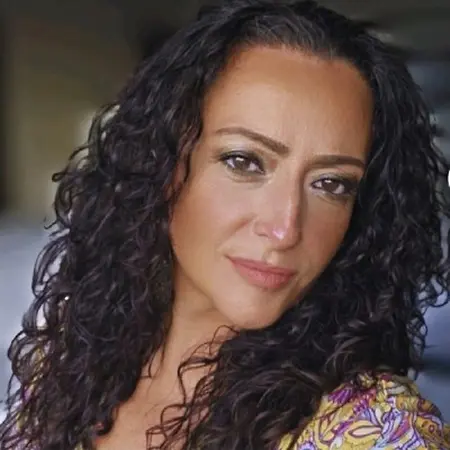
Her Story
About Carla
I've been in social services since 1999, giving me 27 years of experience in this field. I started with Henderson Behavioral Health, left for a while, and then came back almost 8 years ago. My journey into the Community Court Liaison role was unexpected - I had a regular case management position, went on vacation, and when I came back, they told me I was the new court liaison for a program they had just created. Since the position was brand new and I wasn't really taught what to do, I essentially taught myself and made it my own. I work with the Homeless Initiative Program as the sole liaison for three cities in Broward County - Fort Lauderdale, Pompano Beach, and Hollywood Beach. I coordinate directly with four judges and manage all aspects of community court, from initial client assessments to staffing cases with judges before court sessions. I assess people's needs and connect them with appropriate services, whether that's mental health treatment, detox, housing, medical care, or basic necessities like IDs and food stamps. I coordinate with a wide network of providers including DCF, Legal Aid, Task Force, Care Resource, Henderson Behavioral Health, treatment facilities, and many others. What I feel I do best is assessing people and figuring out what their needs are, especially those who are resistant to treatment. I try to make them feel comfortable by being human with them, sharing that I have my own struggles too, which helps break through their uncertainty. Throughout my career, I've worked with various populations - elderly, youth, individuals with disabilities through the Agency for Persons with Disabilities - but I'm most drawn to adults with major mental illness and persistent mental health conditions. It just comes really easily to me for some reason.
Her Interview
Ten minutes with Carla
01What do you attribute your success to?
I really attribute my success to my coworkers, the people around me, and the community. Everybody is just so supportive, and I think that really helps me want to keep going. In this field, we never do anything by ourselves - everything's a team effort. My judge, Judge Florence Barner, always says 'It takes a village,' and those are her words that I follow. She's absolutely right. It does take a village. While I may have organized things, there was one person before me who did it for about 6 months when it was just Fort Lauderdale. Then when they started adding new cities and it got really big, and the news started coming in to report on us, it became something much bigger than any one person. We may not help every single person, but if we can make a difference with one person here, five people there, ten people there, we're working on something meaningful together.
02What’s the best career advice you’ve ever received?
My statistics teacher told me to get my master's degree, and I never listened to her. I really should have. But looking back, I guess the advice I've received as I go keeps getting better, because I meet a lot of interesting people as I keep doing this job. The advice just continues to come from the community and the people I work with, and it keeps evolving.
03What advice would you give to young women entering your industry?
Do what you love to do, and try to give as much to the community as you can. It completes you, I think. We all need something like that - we all need to give back. I think that makes us a better population. I'm here for a reason, I have a purpose. Everyone's searching for a purpose for themselves, but sometimes people don't realize that helping others is enough satisfaction to meet it. That's how you actually need it - not just for getting, but to be given.
04What are the biggest challenges or opportunities in your field right now?
I wish there was more funding. It's not their fault - it's just, it is what it is, we only have so much beds. It's sad to turn some people away and say, I'm sorry, we're full, we don't have any more beds today. It's especially sad to see families out there with kids and have to tell them there's nothing available. That's terrible. But when we do have resources, it's a collective effort. We'll sit together when we have court and circle around the client in a supportive way, and we all start putting our heads together - oh, I can help with this, and I can help with that. After I assess the client, we talk about what they need, and different providers will raise their hand saying they can help with specific things. Then we meet again the next week to see where everybody's at and how we've helped this person achieve what they need. The challenge is also that it's hard for clients to trust us, because their things are always getting stolen out there. They might go to a program or walk in anywhere and get turned down, so they're disheartened and think it's not gonna happen. But when they come in and start seeing people that have succeeded, and we have graduates tell their stories in community court, other clients can see that it can happen for them too.
05What values are most important to you in your work and personal life?
Definitely dedication - I'm very dedicated to this work. I have a lot of passion for the vulnerable population, especially the mental health population. I've worked with all different kinds of populations throughout my career - elderly, youth, individuals with disabilities through the Agency for Persons with Disabilities - but mental health, adults with major mental illness and persistent mental illnesses, is something that I'm just gravitated more towards. For some reason, it just comes really easily to me. I also believe strongly in giving back. I feel like we all need to give back to be a better population. Even though I'm in a bad place myself - I actually lost my home two and a half years ago and have been kind of homeless too, thankfully I have my mom - that doesn't mean I can't continue to help other people. God will see what I'm doing, and eventually I'll get mine. You give, you get.
Join Influential Women and start making an impact. Register now.