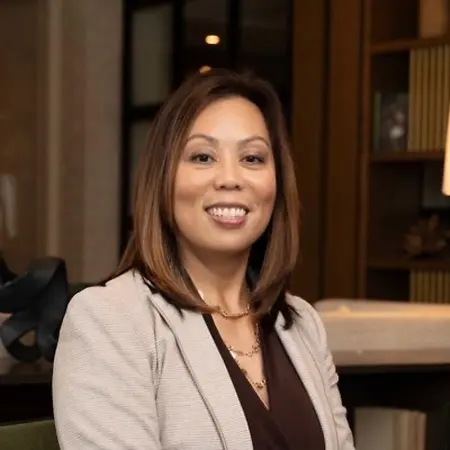
Her Story
About Cecilia
Cecilia Zapata-Harms is a respected life science, biotechnology, and health technology executive with more than two decades of experience leading innovation-driven initiatives across healthcare, biotech, digital health, and nonprofit sectors. As the Chief Executive Officer of Palmetto InnovaSphere, Inc., she focuses on accelerating early-stage life science and healthcare innovations into practical, community-centered solutions that improve patient outcomes and expand access to care. Her leadership combines strategic vision, commercialization expertise, and a deep commitment to building collaborative ecosystems that support entrepreneurs, researchers, and emerging companies.
Throughout her career, Cecilia has been recognized for her ability to connect innovation, leadership, and advocacy—particularly in advancing opportunities for women in science and entrepreneurship. She has played an active role in startup development, translational research initiatives, healthcare strategy, and nonprofit leadership, while also serving as Founder and Board President of Women, Life and Science. Her work emphasizes mentorship, innovation accessibility, and creating pathways for life-changing technologies to reach underserved and rural communities more effectively. In addition to her executive leadership roles, she is an entrepreneur, investor, author, and advisor who remains passionate about supporting visionary founders and emerging healthcare technologies.
Cecilia’s academic background includes graduate studies in Social Cultural Anthropology and Health Administration at the University of Washington, along with executive and professional coaching certification through the Center for Coaching Certification (CCC/ICF). Her interdisciplinary perspective—shaped by healthcare, anthropology, leadership, and real-world operational experience—has helped define her collaborative and human-centered approach to innovation. Beyond her professional work, she is deeply involved in philanthropic and community initiatives supporting veterans, children’s healthcare, women in science, and medical research organizations. She is also an avid reader, fiction author, and advocate for holistic approaches to wellness, leadership, and personal growth.
Her Interview
Ten minutes with Cecilia
01What do you attribute your success to?
I attribute my success to the incredible women mentors who guided me throughout my life and career, beginning with Sister Frances during my Catholic school years and continuing through professional mentors in cancer research and life sciences. Their leadership, encouragement, and example helped shape the person and professional I became.
I also credit my mother, who consistently reminded me that if I truly wanted something, I could achieve it by committing myself fully to it. Her unwavering belief in me gave me the confidence to trust my own vision and pursue opportunities that at times felt uncertain or unconventional.
Over time, I learned the importance of trusting myself, remaining open-minded, and embracing unexpected opportunities. That willingness to step into unfamiliar spaces, combined with persistence and belief in my ability to create meaningful impact, has been foundational to my journey in life sciences and innovation leadership.
02What’s the best career advice you’ve ever received?
The best career advice I ever received came from my mother, who always told me, “You can do it. If you want to do it, you can do it.” That message taught me the importance of confidence, perseverance, and believing in my own capabilities.
Professionally, I also learned that growth often comes from remaining open to opportunities you never originally planned for. My career path was not linear, and many of the most meaningful opportunities emerged unexpectedly. Staying open-minded allowed me to evolve beyond the career I initially envisioned and into leadership roles where I could create broader impact.
03What advice would you give to young women entering your industry?
I would encourage young women to actively seek out mentors and role models whose qualities they admire. Find people who inspire you, ask thoughtful questions, and never be afraid to request even a brief conversation to learn from their experiences.
Mentorship is incredibly important, especially in industries like life sciences, biotechnology, and healthcare innovation. Building relationships with experienced professionals can provide guidance, perspective, and opportunities that help accelerate both personal and professional growth.
I would also encourage women to trust their ideas and recognize the value of their contributions. Innovation requires courage, creativity, and resilience. Women should not hesitate to step into leadership roles, advocate for their vision, and pursue opportunities that can create meaningful change in healthcare and science.
04What are the biggest challenges or opportunities in your field right now?
One of the greatest opportunities in life sciences and biotechnology today is the ability to elevate innovators, particularly women entrepreneurs and women scientists, and make their work more visible and accessible to communities. There is tremendous potential to accelerate innovations that improve patient care, health equity, and overall quality of life.
At the same time, one of the biggest challenges continues to be funding and investment access. While innovators must still prove concepts and demonstrate value, women-led companies and entrepreneurs often face additional barriers when seeking the resources necessary to commercialize their ideas and scale their innovations.
I believe the future of the industry depends on creating stronger innovation ecosystems, expanding collaboration, and building pathways that make it easier for groundbreaking ideas to move from concept to real-world implementation.
05What values are most important to you in your work and personal life?
The values most important to me are fearlessness, wisdom, and creativity. Fearlessness means having the courage to pursue ideas, take risks, and move forward even when the outcome is uncertain.
Wisdom is equally important because leadership requires perspective, humility, and the ability to continuously learn from both successes and challenges. My background in anthropology and healthcare administration taught me the importance of understanding people, systems, and the broader impact of our work.
Creativity is central to everything I do. For me, creativity is not only about innovation, but also about having the freedom to think differently, connect ideas, and develop meaningful solutions that improve lives and strengthen communities.
Join Influential Women and start making an impact. Register now.