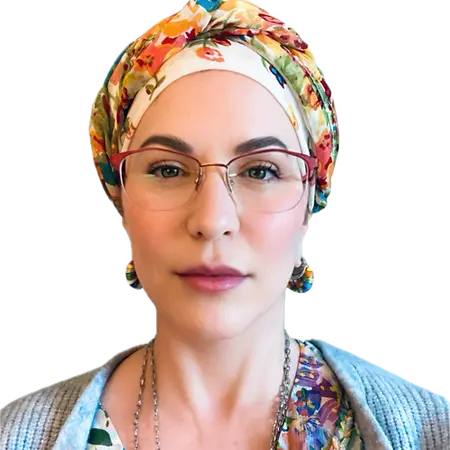
Influential Woman · Pharmaceutical and Clinical Research
Christine Marie Huff, BA, MS, CPM
Author, The Fireplace Cat
South Beloit, IL 61080
Her Story
About Christine
Christine Marie Huff, BA, MS, CPM, is a seasoned clinical research and biopharmaceutical professional whose career spans more than five decades across pharmaceutical sales, clinical research administration, business development, and healthcare consulting. Throughout her distinguished career, she has held leadership roles with organizations including Covance (now Fortrea), Schering and Merck, VITAS Healthcare, and numerous healthcare startups. Known for her expertise in vendor management, project oversight, regulatory compliance, and strategic partnerships, Christine has successfully managed multimillion-dollar clinical research portfolios and collaborated with global teams to advance innovative therapies and improve patient outcomes. A lifelong learner and accomplished professional, Christine earned a Master of Science in Clinical Research Administration from Walden University, graduating with a 4.0 GPA, and pursued postgraduate studies in Pharmaceutical Regulatory Affairs at The George Washington University School of Medicine and Health Sciences. Her extensive experience includes overseeing complex clinical trials, managing global cardiac safety services, developing business growth strategies, and delivering educational programs on regulatory and clinical research topics. In addition to her work in healthcare and life sciences, Christine is a talented writer who has authored technical papers, educational content, and creative works throughout her career. Following her retirement from the pharmaceutical and clinical research industry, Christine has remained active as an advisor to healthcare startups while pursuing her passion for wellness through The Relaxation Station, a company dedicated to providing luxury wellness products that support natural healing and healthy living. Her personal journey is one of extraordinary resilience, having overcome significant health challenges with determination and optimism. Today, Christine continues to inspire others through her advisory work, entrepreneurial endeavors, writing projects, and commitment to helping people improve their quality of life through both science and wellness. Additionally, she has completed her first book a memoir entitled The Fireplace Cat, a tale of divine justice.
Her Interview
Ten minutes with Christine
01What do you attribute your success to?
I attribute my success to my tenacity above all else. I have multiple disabilities and have faced extraordinary challenges, including multiple strokes starting in 2012, 31 surgeries with 18 being major operations, and Stevens-Johnson S Syndrome (SJS) that caused me to lose all the mucous membranes in my entire body and burned from the inside out. At one point from SJS and strokes, I had to learn how to stand and walk again, and I had to learn how to speak all over again and write. I literally couldn't even compose one sentence, which was devastating for someone who specialized in public speaking and technical writing. That was probably one of my biggest challenges to overcome and stick with the job so that I could still do it. I was an extreme athlete who had to give up rock climbing and everything I loved when my hands and feet started bleeding with even a small grip. Part of my success is acceptance of my disabilities and shortcomings, and finding ways to work around them to still be successful. Without tenacity, I would have given up a long time ago, probably after the first stroke. But I haven't quit, and I'm now bodybuilding again at almost 70 years old. Once you actually give up, you're dead.
02What’s the best career advice you’ve ever received?
The best advice I ever received is that people buy from people they like. It's not really about business, it's about people. When you get done with an interview, people will only remember how you made them feel. They're not going to remember everything you said, they're not going to remember everything you did, or all the slide deck that you showed them. They're going to remember how you made them feel. Did you make them feel inspired? Did you make them feel confident in you? Did you make them feel like you're the right candidate, and did you make yourself stand out? That's what matters most.
03What advice would you give to young women entering your industry?
Never give up, and if you find yourself feeling like you're getting pushed to the side, be very specific about what they're looking for. Find out exactly what they're looking for, find a way to get to their key thought leaders, and be sure to bring to the table solutions to their problems. Not just talk about yourself, but actually bring to the table solutions to the problems that their company might be having in your specific areas of expertise. That's not often easy to do, to weed out of all the interview stuff what they're really looking for and what's important to them. I've gotten most of my job interviews by using this method where I ask three questions. I usually say, what in my resume is standing out that you think I would bring to the table? And they'll answer that. Then I would say, what have been your specific problems around this area? And then I usually ask what they'd be looking for in their perfect candidate. I write all that down, and I write who gave me that information, and then I steer the interviews in that direction so that I'm being very specific, but I'm also letting them do most of the talking because they're the ones who are telling me what they want. You can't just walk into an interview where you have so much experience and think because you've got pages of great reviews and great experience that they've read it. They glance at a resume, even if it's 2 or 3 pages. They only glance at it, they just read the highlights. Often they themselves don't really know what they're looking for, so when you ask them to provide exactly what you're looking for, I usually ask what would be the top 3 areas that you would expect in your chosen candidate so that we focus just on the top 3 areas they're really looking for.
04What are the biggest challenges or opportunities in your field right now?
The biggest challenge and opportunity in my field right now is regaining the trust of the American people. I think there are a lot of people like me who are no longer satisfied with the 5-minute doctor's visit. A lot of people either want to get off their medication and get some support to try something different, or they get mad if they don't get a medication that they saw on TV and then go searching for a doctor who'll give them that medication when in all honesty they may not need it. There are so many avenues of wellness that can be pursued before somebody resorts to surgeries or pills or shots. We have an obesity epidemic, and people don't want to take responsibility for their health and lose the weight. I think people shouldn't be so quick to pursue medical intervention unless they're in an emergency situation. Obviously, if you're having a heart attack or a stroke, you're going to need medication for the rest of your life, but what kind of life do you want to have? A lot of people let that beat them down, and I strongly disagree with a 50 or 60 or 70 year old person who has a heart attack or a stroke and they give up on their career and their dreams. I don't think you have to do that. I think that can be the start of your career and your dreams when you get on disability. The biggest opportunity is definitely regaining the trust of the American people and getting as many people healthy as possible.
05What values are most important to you in your work and personal life?
I value never giving up above all else. Never give up on your dreams or on the type of work that you want to do. It's been my dream to have a wellness business, and I'm excited that it finally launched in March and I'm running ads right now. The value of tenacity is a great value to have because I definitely had interviews that went south because I didn't focus on what they wanted to hear. You need focus to be successful, and then you need to be driven. You really have to want it. As we get older, we encounter all kinds of health problems that we never thought we'd have when we were younger, and it comes on really fast. I'm 68, and you hit that a lot faster than you're ready for. I would say that being prepared for any scenario is critical. You've got to have it all worked out when you're in your 40s. A lot of people arrive at 60 or 70 and they don't have the savings that they planned, they've lost their career and their focus, and they don't know what to do. They need to refocus on their desires and their dreams and follow them. Follow your passions, and it doesn't matter what age you are. Otherwise you find yourself at retirement age sitting in a chair watching TV all day, and I could never do that.
Join Influential Women and start making an impact. Register now.