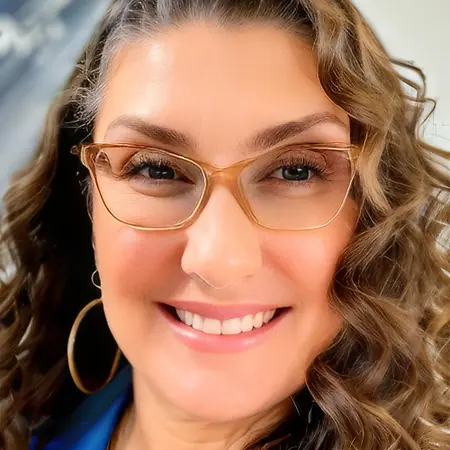
Influential Woman · Mental Health and Counseling
Cynthia Crouch, LMHC, CSAT, CAP
EMDR
Licensed Mental Health Counselor (LMHC), Certified Sex Addiction Therapist (CSAT), Certified Addiction Specialist (CAP), Reimagine Freedom Counseling & Consulting
Orlando, FL 32825
Resilience isn't about never breaking. It's about continuing to love, heal, and keep going even after you do.
Cynthia Crouch, LMHC, CSAT, CAP · In Her Own Words
Her Story
About Cynthia
Cynthia Crouch, LMHC, CAP, CSAT, is the founder and owner of Reimagine Freedom Counseling & Consulting, a mental health and consulting practice based in Orlando, Florida. Specializing in addiction, betrayal trauma and complex PTSD recovery, she focuses on areas such as betrayal and infidelity recovery, sex and love addictions, intimacy disorders, and common co-occurring concerns like anxiety and depression. Her approach blends evidence-based modalities—including cognitive-behavioral therapy, mindfulness, EMDR, and relational therapy—with a commitment to creating a safe, regulated space where clients are met with empathy and the belief that pain can be transformed into meaning. Over a career spanning more than 16 years, Cynthia has worked extensively in residential treatment settings, supporting adults in recovery from addiction and mental health disorders. She has held leadership roles, progressing from lead therapist to clinical director, and has contributed to programs for high-trauma populations, including victims of sex trafficking, ER clinicians, and first responders. She also consults with fellow clinicians on self-care, compassion fatigue, and ethical practices, emphasizing the importance of holistic and relational care. Cynthia earned her bachelor’s degree in psychology with Magna Cum Laude honors from Rollins College and her master’s degree in Clinical Mental Health Counseling from Grace College & Theological Seminary. Known for integrating both secular and Christian perspectives into her practice, she is recognized for her compassionate, skilled, and ethical approach, dedicated to helping individuals navigate the complex dynamics of trauma, addiction, and emotional pain.
Her Interview
Ten minutes with Cynthia
01What do you attribute your success to?
I attribute my success to resilience, faith, and an unwavering commitment to growth. My journey has not been without profound personal and professional challenges, but those experiences shaped the depth of empathy and clarity I bring to my work today. I have always believed that healing and success are built through discipline, self-reflection, and the courage to keep going even when the path is uncertain
I also credit my success to a willingness to evolve, to continue learning, investing in my education, and building a practice that reflects both clinical excellence and genuine compassion. Most importantly, I stay grounded in purpose. When your work is driven by a true desire to help others reclaim their lives, success becomes less about achievement and more about impact.
02What’s the best career advice you’ve ever received?
The best career advice I’ve ever received came from one of Gerald Corey’s books: “Counselor: to know thyself, is to heal thyself.” That simple but profound statement has guided my entire professional life. It reminds me that our effectiveness as counselors is directly tied to our willingness to do our own inner work. We cannot ethically or authentically ask our clients to go places emotionally that we have not been willing to go ourselves.
I firmly believe that every good counselor should have a counselor. Ongoing self-reflection, personal therapy, and professional consultation are not signs of weakness, they are signs of integrity. This work is deeply relational and emotionally demanding, and maintaining our own wellness and self-awareness protects both us and the people we serve.
Beyond clinical practice, this advice has shaped how I lead and build my business. Knowing myself, my strengths, my limits, my purpose, and my values, has allowed me to create a career that is sustainable, meaningful, and aligned with who I truly am. When you commit to self-awareness and lifelong growth, you not only become a better professional; you become a more grounded and authentic human being.
03What advice would you give to young women entering your industry?
I would encourage young women entering this field to know themselves first and build from there. This work is meaningful and deeply rewarding, but it is also emotionally demanding. Invest in your own healing, personal growth, and self-awareness early in your career. A strong inner foundation will sustain you far more than any credential alone, And, to accept that perfection isn’t necessary—remembering that the tools we offer are meant to empower clients to continue their growth long after they leave the therapy room.
04What are the biggest challenges or opportunities in your field right now?
One of the biggest challenges in the counseling field right now is sustaining ourselves while caring for others. Burnout, compassion fatigue, rising costs of continuing education, and the demands of running a practice can make it difficult for clinicians to maintain longevity if they are not intentional about self-care and boundaries.
At the same time, there is tremendous opportunity. Mental health is finally being recognized as essential to overall wellness, and the stigma around seeking help continues to decrease. With the growth of telehealth and innovative service models, counselors now have the ability to reach more people and build practices that are both impactful and sustainable.
This moment in our field calls for clinicians to lead with both clinical excellence and authenticity — caring well for others while also caring responsibly for themselves.
05What values are most important to you in your work and personal life?
The values most important to me are Integrity, authenticity, and compassion are the values that guide both my professional and personal life. I believe in showing up honestly, with clients, colleagues, those I love and creating spaces where people feel safe to be fully seen without judgment.
I also value growth and resilience. Life brings both profound joy and deep challenges, and I believe in continually evolving, learning, and strengthening ourselves through each season. That commitment to growth allows me to serve others from a place of empathy and lived understanding rather than theory alone.
Finally, I value balance and meaningful connection. Success means little without peace, purpose, and the relationships that sustain us. Whether in my work as a counselor or in my personal life, I strive to live and lead in a way that reflects integrity, compassion, and a genuine desire to help others experience healing and freedom.
Join Influential Women and start making an impact. Register now.