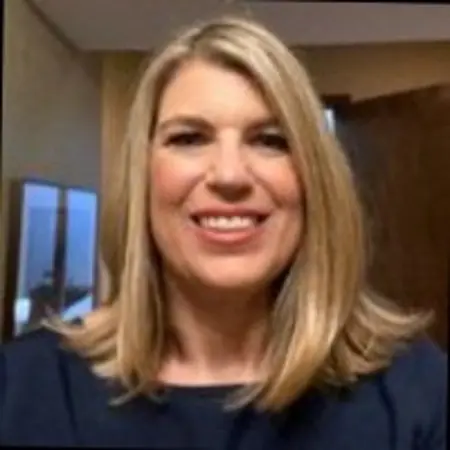
Her Story
About Debbie
I serve as the medical director for Cedar Health Research, a research site network in the Dallas-Fort Worth area, where I've been in this leadership role for about 6 months after joining the company just over a year ago as a principal investigator. I maintain a dual role, continuing my work as a principal investigator while leading the medical director responsibilities. In my day-to-day work, I interview patients to determine their eligibility for clinical trials, ensuring they are the right fit and safe to participate. I follow them through the course of trials, reviewing their lab work, monitoring for adverse events, and examining medical records when needed. As medical director, I train my staff extensively, making sure everyone understands the protocols we follow, the purpose behind them, and the detailed requirements to provide the robust data our sponsors need. I work as part of the senior leadership team at Cedar Health Research, participating in meetings about informatics, IT systems, patient recruitment strategies, and supervising a team of other investigators, mostly physicians. My research work now spans multiple therapeutic areas including obesity and metabolic studies, hypertension, vaccine trials, pediatric studies including pediatric migraine, and a significant cardiovascular portfolio with LP little a studies and cardiovascular outcomes studies. Before transitioning to research, I spent from 2006 to 2022 in clinical practice as an infectious disease specialist across three different private practices. During that time, I handled hospital and clinic work, wound care, government-funded HIV programs, outpatient infectious disease consultation, and served as a consulting physician for life and limb-threatening infections in ICU settings and severe orthopedic infections. Prior to Cedar Health Research, I worked for Thermo Fisher as a principal investigator for 2 years. My path to medicine was somewhat unusual - I started with an undergraduate degree in biochemistry and worked for Eli Lilly for several years while earning a master's degree in chemistry, initially planning to pursue PhD work in chemistry before deciding on medical school instead. I completed my residency at Baylor University Medical Center in Dallas and my fellowship specializing in infectious disease at UT Southwestern, also in Dallas.
Her Interview
Ten minutes with Debbie
01What do you attribute your success to?
I attribute my success primarily to my work ethic, probably more than anything else. Good mentorship along the way has also been crucial - having people who are inspiring, who I see working hard, and who I see succeeding. I try to find and emulate the people that I admire and want to achieve with. It's invaluable to have several mentors for different things, because you want to emulate the people you admire.
02What advice would you give to young women entering your industry?
My best advice is be true to yourself. Find what you like, and go for it, and don't let anyone discourage you. Surround yourself with people who encourage you, and who are good mentors, and who are doing the things that you want to do. But don't try to fit yourself into something that you know isn't right for you.
03What are the biggest challenges or opportunities in your field right now?
The biggest challenge right now is finding good people who truly have an interest in research and the passion for what we're doing. On top of that, research protocols are getting more and more complicated as time goes on. What used to be fairly simple protocols with a couple of blood draws have now turned into complex studies with different standardized assessments, more blood draws, more data collection, imaging, and all of that. While this really helps us have robust data, it is a challenge to get patients to comply with all of that and to put all those pieces together. In terms of opportunities, our lab and tech abilities are out of this world. I worked with a lab doing next-generation sequencing, where we can take a sample from a person and basically engineer the DNA that's in there to figure out what pathogen they have without going in with a preset probe. The fact that we have rapid testing now for so many things - COVID was a fantastic example where you can swab somebody and tell them in 20 minutes if they have flu or COVID, or nowadays RSV and several other viruses - really helps us diagnose and direct treatment. The precision testing has really taken off and provided a lot of diagnostic accuracy, and therefore treatment accuracy, and I look to that to continue.
04What values are most important to you in your work and personal life?
I would say integrity is a big one, particularly scientific integrity. I felt like clinical practice really didn't embody that so much anymore, and I guess that was part of my motivation for seeking something else. I feel like research is all about that - the right patients, the right data, making sure you're dotting your I's and crossing your T's, and really providing robust scientific information.
Join Influential Women and start making an impact. Register now.