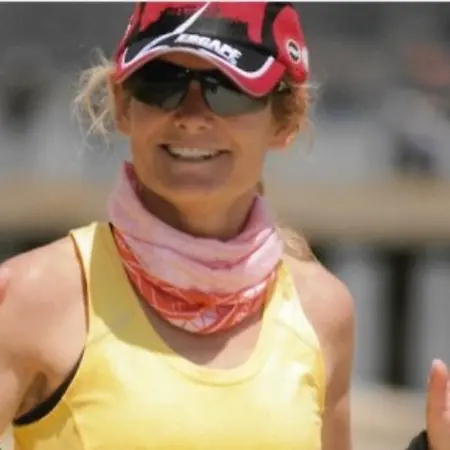
Influential Woman · Sports Coaching | Triathlon | Endurance Coaching | Fitness & Wellness
Deborah Beck
Owner | Level II USA Triathlon Coach, Ironman Coach, Haight Fitness and Coaching
San Francisco, CA 94117
Rest takes many forms, and how we view it directly affects how we rest and how successfully we achieve its many benefits.
Deborah Beck · In Her Own Words
Her Story
About Deborah
Deborah Beck is the owner of Haight Fitness and Coaching, a Triathlon and Endurance coaching business based in San Francisco, California, with additional locations in Telluride, Colorado and Quogue New York. With more than 30 years in the health and fitness industry, she specializes in endurance coaching at all level and events. She holds advanced credentials through USA Triathlon, New Zealand Triathlon, World Triathlon, Ironman and TrainingPeaks in addition to Strength and Conditioning through American College of Sports Medicine and American Council on Exercise. She was nationally selected for the 2026 Level III USA Triathlon certification coaching group. Her coaching philosophy integrates sports science, data-driven performance optimization for each athlete's specific goals and lifestyle. She designs individualized training programs that incorporate swimming, cycling, running, strength conditioning, nutrition, and lifestyle coaching. Deborah works with athletes throughout the globe, helping improve performance while fostering self-efficacy, discipline, and long-term goals. She also coordinates multidisciplinary support teams to ensure athletes receive comprehensive guidance throughout the year. In addition to her coaching practice, Deborah is deeply committed to advancing women in sport and expanding access to endurance athletics. She has built a career that spans international coaching experience, Pilates and fitness studio ownership, and has competed as a 5x Ironman triathlete. Her work is rooted in mentorship, equality in sport, and creating inclusive opportunities for athletes of all ages and backgrounds.
Her Interview
Ten minutes with Deborah
01What do you attribute your success to?
I attribute my success to the incredible community I work with every single day. This is not a job, it's a passion for all of us who coach.. Everyone I work with is different, all are very committed. It's a sport that connects people-triathletes truly care and support each other. It's a very tight-knit community, it's really amazing to be working with both athletes and coaches that are so inspiring. Having this great energy around me brings out the best and keeps me growing and improving as a coach
02What’s the best career advice you’ve ever received?
The best career advice I ever received came in my 20's. I was offered a gym management position in Singapore. but lacked the confidence to accept the job due to a combo of imposter syndrome and fear of failure. Lucky for me, my employer saw the potential and eagerness to learn over lack of experience. They supported me every step of the way, including not letting fear of failure guide my choices. I leaned how to take chances and make mistakes, which can be valuable learning experiences. Seeing the potential in others and investing in it, learning from attempts rather than allowing fear of failure limit opportunities for growth came out of this experience. I learned the best opportunities come when someone believes in you enough to take a chance, even when you doubt yourself. Look through this lens, help others.
03What advice would you give to young women entering your industry?
If you're going to start in this field, you have to be passionate about it, not about money or social media likes. Because you do need to hustle., intrinsic motivation is high. Endurance coaching is a great space for women, we get paid the same and World Triathlon is the big governing body. They are very supportive of growing the sport for women, there's a lot of opportunity. I would suggest trying to mentor with a busy coach as soon as you can. Volunteer at races, volunteer to help other coaches, because it's a little hard to jump into this type of coaching. Especially virtual coaching - it takes time and AI will only get you so far. Find a mentor. You can also volunteer at your local Tri-Club. Follow your passion, not a paycheck. Be ready to work hard, but know the opportunities are vast, especially for women in this sport.
04What are the biggest challenges or opportunities in your field right now?
The biggest challenge is the severe lack of opportunities for women in sports coaching overall. There are very few avenues for women in coaching, even in women's sports. In the United States, male coaches are overwhelmingly hired over women, even for a women's sports team where there are better qualified women. There's no real path for a woman in sports, and this isn't really on anyone's radar, how poor the opportunities are. That's why I'm so passionate about triathlon - it's one of the only sports where women can actually coach. World Triathlon has very high standards for DEI and actively wants to have an equal amount of coaches that are female, male and people of color. Age is not a problem, experience is golden. Where else can you start a career in your late 50's, especially as a woman? In this sport, age is an asset, not a liability.
05What values are most important to you in your work and personal life?
The values most important to me are equality, opportunity, and giving back. I'm deeply committed to creating pathways for women and others that need more representation. Triathlon is one of the few sports that truly values gender equality, paying women the same as men from the start and actively working toward diversity and inclusion. I believe in the power of community and supporting others, which is why so much of my work involves not-for-profit initiatives, from raising money for Team USA Triathlon and supporting cycling development in Kenya through the Safari Simbaz organization. I also value self-efficacy and personal growth - I love that triathlon grows self-confidence and challenges preconceived barriers . The incredibly supportive, tight-knit community genuinely celebrates the success of others, it's inspiring. The value of age and experience should be assets, not barriers - in this sport, you don't get aged out, and the older you are, the more valuable your expertise becomes.
Join Influential Women and start making an impact. Register now.