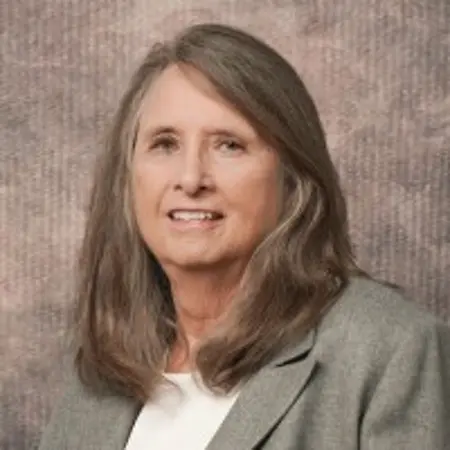
Her Story
About Deborah
Deborah Turner Was graduated from Florida State University with a degree in Risk Management and Insurance she also holds the Chartered Property Casualty Underwriter (CPCU) designation. She brings decades of industry experience, including both carrier and agency perspectives, and founded Dean Insurance Agency in 1994.
In 2012, Deborah designed a standalone Canine Liability Insurance policy to address coverage gaps for dog owners, including those with dogs subject to heightened risk classifications. Since its introduction, nearly 15,000 policies have been issued under this program. She is well versed in the evolving legal and insurance landscape surrounding dangerous dog designations.
Deborah works closely with agencies and stakeholders nationwide to help bridge the gap between statutory requirements, underwriting considerations, and real-world insurance availability.
Her Interview
Ten minutes with Deborah
01What do you attribute your success to?
I attribute my success to turning every stone. I've always been willing to explore every opportunity and not leave anything unexamined. When I saw agents selling insurance while I was a field rep at CNA, I thought I could do just as well, and I went for it. When things weren't working at one agency, I moved to another. When my agreements changed at the local agency where I was writing 70% of their business, I didn't just accept it - I called two girlfriends and started my own agency. Even after the meltdown in 2008-2010 devastated my business with title agents and real estate attorneys, I didn't give up. After my cancer diagnosis and recovery, I turned that experience into developing a nationwide canine liability insurance program. I'm pretty independent, and I've always been willing to take risks and pursue new opportunities, no matter how challenging they seemed.
02What’s the best career advice you’ve ever received?
Turn every stone!
03What advice would you give to young women entering your industry?
Insurance is not boring. You can do anything from being an agent to being a claims adjuster, but there's every aspect that can be done in the insurance industry. It's a very broad industry and very steady. We're not typically big on layoffs - when the meltdown took place in 2008-2010, they did do some layoffs, but it was the first time in my career I'd ever seen it. The industry needs programmers, people who are nurses that go in to check the environment of a facility, people who do loss control and walk around to decide where there might be injuries. It's very overlooked and misunderstood because the only people that people see from the industry is the agent and the claims adjuster, and that's a very tiny part of the picture. There's a lot of jobs available in the insurance industry because we're like everybody else - all of my group is retiring daily or soon. I'm 71 and I haven't retired yet, and probably have another 3 years. There's a lot of six-figure jobs in insurance, whatever day as you want. My degree in insurance is what did it for me when I broke in.
04What are the biggest challenges or opportunities in your field right now?
Deborah will be diving into a more detail regarding her career what has inspired her journey, any details she might have regarding anybody who has inspired her or served as a mentor along the way, what brings her joy including her interest in hobbies outside of work, Details regarding how she would like to connect with our readers and inspire other women within our network, and what she looks forward to as the next chapter of her career is written.
05What values are most important to you in your work and personal life?
Empathy comes first for me. I'm extremely passionate about animals and rescue work, which began when I was 6 years old. My mother took us to dump our dog out in the country, hoping someone would adopt it. When I looked back, he was killing himself trying to catch up with us, which of course he didn't. Years later, I got into rescue and started working with Schnauzer Love Rescue about 20 to 25 years ago. I was the Florida intake coordinator, and we would get dogs from shelters that needed to be rescued. A lot of times, the dogs from the owners were in worse shape than the ones from the shelters. We would get them cleaned up, get them vetted, get them taken care of, and then we would adopt them out. The hardest thing ever in life to do is to bring a little dog back from being completely matted and thin and totally neglected, and then there's no way not to bond with them. Handing them to someone else is probably the most rewarding and hardest thing I've ever done in my life. People say it hurts too much, and I'm like yes, but what keeps me going is the fact that right behind them is another one, and another one, and another one. If you don't keep doing it, then those dogs literally die. If there's nowhere for us to put them, then the shelters do with them as they want to, or the owners.
Join Influential Women and start making an impact. Register now.