Influential Woman · Mental health, Relational therapy, Divorce consulting, Relationship strategy, Authorship
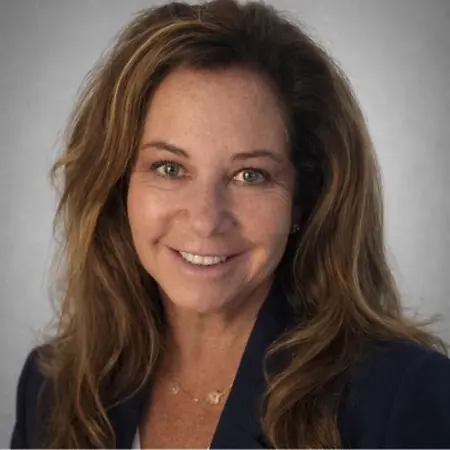
Debra Alper
LCSW
Founder, Debra Alper, LCSW Relational Strategist
Chicago, IL
Her Story
About Debra
There’s a particular kind of confusion that brings people into my office. They’re smart, often accomplished, and they cannot figure out why they can’t leave, or why leaving felt like it nearly destroyed them. They don’t need someone to tell them the relationship was bad. They already know that. What they need is someone who understands what was actually happening inside it, and why their nervous system responded the way it did.
That’s been the center of my work for 26 years. I’m a licensed clinical social worker specializing in emotionally addictive relationships, coercive control, and narcissistic abuse dynamics, and what I’ve learned over that time is that this kind of pain follows very specific patterns. Once you can see the pattern, something shifts. You stop blaming yourself for not leaving sooner, and you start understanding what you were actually up against.
That clinical depth is what led me to develop my own framework for relational recovery, currently trademark pending, and what eventually pushed me into a second lane entirely. I kept watching clients try to navigate divorce and custody proceedings at the most emotionally compromised point of their lives, inside a legal system that was not built with them in mind. So I built something that was. My divorce consulting practice exists specifically for people recovering from high conflict and emotionally abusive relationships who need someone who understands both the relational and the legal terrain.
I speak on these issues, guest regularly on podcasts, and am finishing a book that will bring this framework to a much wider audience. This work has always been bigger than a private practice. It just took 26 years of sitting with people in their hardest moments to know exactly what it needed to become.
Her Interview
Ten minutes with Debra
01What do you attribute your success to?
Honestly, finding myself. And I mean that in the least cliché way possible. After a difficult marriage ended, and then after I found my way out of an even more complex relationship that followed it, I was alone for the first time in my adult life. Really alone. And in that space, I found something I hadn’t had access to before: myself.
I had been a therapist for years by then. I was good at the work. But there is a difference between competence and passion, and I know now that the passion came from that period of my life. The focus, the drive, the clarity about exactly what I was meant to be doing and who I was meant to be doing it with. That didn’t come from a training or a credential. It came from living it, finding my way through it, and deciding that what I learned in that process was too important to keep inside a private practice.
02What’s the best career advice you’ve ever received?
Do what feels like breathing, not like work. Someone said that to me early on and it has never left. For a long time I was doing good work, but it didn’t feel effortless. It felt like effort. The moment I narrowed into this specific focus, the relationships that trap people, the patterns that keep them stuck, the recovery that’s actually possible, something shifted. It stopped feeling like I was pushing and started feeling like I was just doing what I was built to do. That’s the difference between a career and a calling, and I don’t take it lightly that I found mine.
03What advice would you give to young women entering your industry?
Know yourself first. That’s not a platitude, it’s a clinical necessity. If you want to do relational work, you need to understand your own relational history, know where your triggers live, and have done enough of your own work that you’re not sitting across from a client and quietly recognizing yourself in a way that clouds your judgment.
My practice is deeply focused, not general, and that focus required a level of self knowledge that I had to earn. You cannot guide someone through patterns you haven’t examined in yourself. The therapists who do this work well are the ones who took their own interior life seriously long before they sat down with anyone else’s.
04What are the biggest challenges or opportunities in your field right now?
The biggest opportunity is also the biggest challenge: awareness is finally catching up to the work. People have language now for things like coercive control, narcissistic abuse, and trauma bonding that they simply didn’t have ten years ago, and that’s meaningful. It has opened doors for conversations that used to be impossible to start.
But social media has a way of flattening clinical concepts into content, and content into labels, and suddenly everyone is diagnosing their ex and very few people are actually getting the structured support they need to heal. The cultural conversation is running ahead of the clinical infrastructure, and that gap matters. What I see in my work is that people arrive more informed than ever, but information alone doesn’t resolve the pattern. That’s where the real work begins.
The opportunity for anyone in this field right now is enormous. People are more ready to engage with this work than they have ever been. The challenge is making sure that what they find when they go looking is grounded in something real, and that the professionals surrounding them, in whatever capacity, understand the relational dynamics well enough to actually help.
05What values are most important to you in your work and personal life?
At the core of everything is a belief I hold both personally and professionally: that every person has a fundamental need to be seen and heard for who they actually are. Not who they became inside a difficult relationship, not who someone else needed them to be, but who they actually are. When that connection to yourself gets lost, and in the relationships I work with it almost always does, everything else gets distorted around it.
Honesty and authenticity matter to me because they are the path back to that. In my work, that means telling the truth even when it would be easier not to, and trusting that my clients can handle it, because they can. In my personal life it means I don’t do well with surface. I need real connection, the kind where nothing important is being left unsaid, and I surround myself with people who want that too.
I think that’s part of why this work chose me as much as I chose it. The people who find their way to my office have often spent years feeling profoundly unseen. Helping them find their way back to themselves is not a job I do. It’s an extension of everything I believe about what human beings owe each other.
Join Influential Women and start making an impact. Register now.