Her Story
About Denise
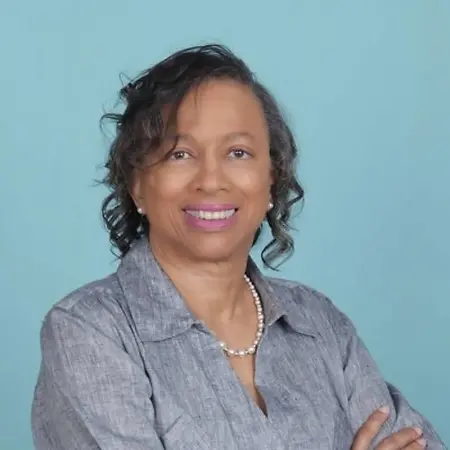
Denise Mundy is a retired municipal court judge, artist, and caregiver advocate based in Atlanta, Georgia. Her public-service career included eight years serving on the municipal court bench in Rock Hill, South Carolina, following 12 years as a court administrator for probation, parole, and pardon services. After retiring from the judiciary in 2012, Denise continued developing her creative and community-focused work, building a professional practice as a textile artist working in painting, quilting, and sewing. She also teaches sewing classes to children and adults and uses creative expression to help create welcoming and trauma-informed spaces.
Denise's professional journey also reflects a longstanding commitment to creativity, connection, and service. Her artistic work has included participation in initiatives such as Empower Her in Atlanta, while her broader community involvement has focused on creating opportunities for expression, healing, and connection. Her current work through Mundy Consulting LLC centers on creativity and accessible experiences that help individuals and communities discover their creative voices. Her background in public service, art, and community engagement provides a multidisciplinary perspective on supporting people through challenging circumstances.
In 2026, Denise became an Elizabeth Dole Foundation Fellow, further expanding her work as an advocate for military and veteran caregivers. Drawing from her own caregiving experience, she provides peer support and helps caregivers connect with resources available through the Elizabeth Dole Foundation, Hidden Heroes, the VA, and related organizations. Her approach is grounded in faith, family, service, and compassion, with a particular emphasis on making caregivers feel recognized and supported. Through her advocacy, Denise seeks to bring resources directly into the community and ensure that caregivers know they have a network beside them.
Her Interview
Ten minutes with Denise
01What do you attribute your success to?
I attribute my success to the people who came before me, particularly my ancestors, my mother, my grandmother, and my great-grandmother. Their lives and examples helped shape the woman I am today. I also credit my late husband, whose influence continues to guide and encourage me even though he is no longer here.
Above all, I attribute my perseverance to my faith in God. There were times when I wanted to give up and simply lay down, but my faith continued to give me the strength to keep moving forward. The support, example, and love of those who shaped my life continue to motivate me to become a better woman and to keep serving others.
02What advice would you give to young women entering your industry?
My advice is to honor the woman you are and the woman you are becoming. Give yourself permission to grow, and remember to forgive yourself along the way. Self-care is also extremely important. We often try to burn the candle at both ends because we want to help everyone around us, but we cannot effectively help others if we are not taking care of ourselves.
Take the time to recognize your own needs, strengths, and growth. Caring for yourself is not selfish; it gives you the ability to continue showing up for the people and communities who need you.
03What are the biggest challenges or opportunities in your field right now?
One of the challenges I see right now is that technology can sometimes create gaps in human connection and socialization. There is so much emphasis on technology that people can miss opportunities to develop meaningful interpersonal connections and social skills.
For me, that creates an opportunity to emphasize the importance of human connection, creativity, and community. Through art and caregiver advocacy, I believe we can create spaces where people feel seen, supported, and connected to the resources and relationships they need.
04What values are most important to you in your work and personal life?
One of the challenges I see right now is that technology can sometimes create gaps in human connection and socialization. There is so much emphasis on technology that people can miss opportunities to develop meaningful interpersonal connections and social skills.
For me, that creates an opportunity to emphasize the importance of human connection, creativity, and community. Through art and caregiver advocacy, I believe we can create spaces where people feel seen, supported, and connected to the resources and relationships they need.
Join Influential Women and start making an impact. Register now.