Her Story
About Diana
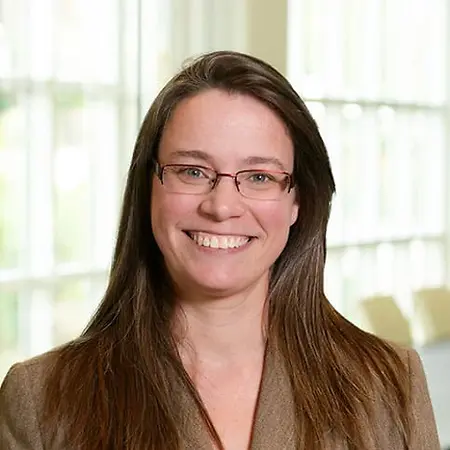
Diana Peterson, PhD, is a Professor at the Philadelphia College of Osteopathic Medicine (PCOM) in the Atlanta metropolitan area, where she has served since 2020. She is a highly experienced clinical anatomist and neuroscientist with more than two decades of teaching experience in medical and health sciences education. At PCOM, she teaches gross anatomy, neuroscience, and neurology to Doctor of Osteopathic Medicine students while maintaining an active research program focused on brain function and neural circuitry. She is also deeply involved in mentoring students and fostering research training, ranging from foundational laboratory skills to clinically relevant applications. Dr. Peterson earned her PhD in Anatomical Sciences and Neurobiology from the University of Louisville School of Medicine in 2004, where her training was closely integrated with medical students and clinical faculty. She completed postdoctoral research in neurobiology at Northeastern Ohio University College of Medicine, followed by a research associate position focused on auditory processing and electrophysiology. Her academic career includes faculty appointments at Iowa State University College of Veterinary Medicine and High Point University, where she contributed to curriculum development, including helping design a gross anatomy laboratory and supporting accreditation efforts for various programs. Throughout her career, Dr. Peterson has been recognized for excellence in teaching and mentorship, earning multiple awards including “Teacher of the Year,” “Outstanding Biomedical Sciences Faculty,” and “Advisor of the Year” from various medical student classes at PCOM. She is one of the the few remaining classically trained clinical anatomists, with a background shaped by close collaboration with surgeons and clinicians. In addition to her academic roles, she is active in scholarly publishing and professional organizations, including work with medical student publications and initiatives supporting women in science and academic leadership.
Her Interview
Ten minutes with Diana
01What do you attribute your success to?
I attribute my success to learning how to navigate my career with intention, resilience, and the support of strong mentors and professional networks. Early in my career, I was deeply influenced by Dr. Ruth Kirstein of the National Institutes of Health, who helped advance opportunities for women in science during a time of significant barriers, while also sharing the personal sacrifices she made along the way. Her perspective shaped my own commitment to maintaining balance between professional and personal priorities. Since then, I have focused on building meaningful relationships, setting healthy boundaries, and making choices aligned with my values, while also supporting others—especially early-career professionals—in developing the networks and balance they need to thrive.
02What’s the best career advice you’ve ever received?
The best career advice I’ve received came from a retired faculty member who, when I asked how you know you’ve “made it,” said that if your work is still being cited 5 to 10 years after publication, you’ve already achieved something lasting. That moment shifted my perspective as a young assistant professor because it helped me realize I had already accomplished more than I was giving myself credit for. It taught me the importance of pausing to recognize and celebrate progress, rather than constantly focusing on what’s next. At the same time, it reframed success for me as something broader than individual achievement—encouraging me to use both my successes and failures to support others and to be more intentional about sharing knowledge and experience rather than holding onto it.
03What advice would you give to young women entering your industry?
I would offer three key pieces of advice to young women entering my field. First, build a strong and supportive network of people who can guide you along the way—those who have already navigated the path can help you avoid unnecessary challenges and make the journey smoother. Second, prioritize balance in your life, recognizing that while work will always be there, time with the people you care about is limited and equally important; maintaining that balance ultimately leads to greater fulfillment in your career as well. Third, don’t allow imposter syndrome to hold you back—wherever you are in your journey, you have already gained valuable experience that others can learn from, so step into opportunities to lead, mentor, and help build the next generation of professionals coming behind you.
04What are the biggest challenges or opportunities in your field right now?
The biggest challenges in my field relate to uneven expectations and responsibilities, particularly for women in research and faculty roles, where heavier teaching and administrative loads can limit time for publications, grants, and career advancement, along with reduced access to informal networking opportunities. At the same time, these challenges present an opportunity to create more equitable systems of support. Through initiatives like the International Women of Scientific Influence and Leadership, I work to help early-career professionals build strong networks, navigate barriers, and ensure advancement is based on contribution while fostering a more inclusive and balanced environment in the field.
05What values are most important to you in your work and personal life?
The values most important to me in both my work and personal life are integrity, empathy, and grit. Integrity is foundational for me because it is something that cannot be taken away, and I believe a meaningful and successful life is built on consistently doing the right thing. Empathy is equally important, as you never truly know what someone else is experiencing; taking the time to understand others’ perspectives helps me respond with greater compassion in both professional and personal interactions. Finally, grit is essential because every path includes challenges, and staying committed through obstacles allows me to continue moving toward my goals and achieving what matters most.
Join Influential Women and start making an impact. Register now.