Learn why staying grounded in your vision matters, how to find the right believers for your movement, and why true visionaries are rare in established fields.
“
Realizing I could support dedicated community servants worldwide changed everything. Meeting inspiring people led me to create WikiCharities, a platform connecting nonprofits.
Dr Angie Holzer · In Her Own Words
Her Story
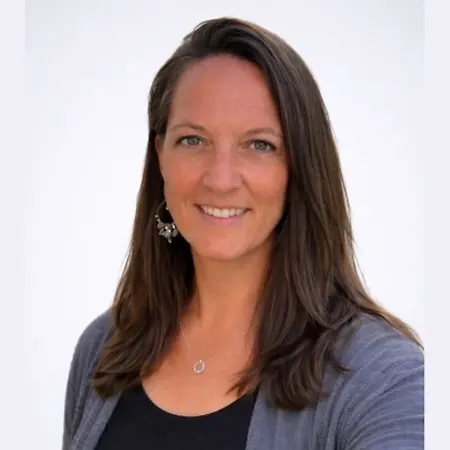
About Dr Angie
Driven by a mission to increase trust and impact in the nonprofit world, Dr. Angie Holzer has dedicated her life to bridging gaps between communities, data, and global change-makers. She founded WikiCharities after uncovering key barriers nonprofits face—lack of trust, visibility, and collaboration—during her doctoral research. Today, her platform empowers organizations through validation, data accessibility, AI-powered tools, and international partnerships.
Dr. Holzer’s work spans continents, from grassroots humanitarian projects in Africa and Asia to academic initiatives in North America. A passionate advocate for mental health, she also developed a Yoga for Mental Health Certification and taught at Stanford University. Whether advancing nonprofit technology or championing trauma-informed healing, Dr. Holzer is at the forefront of building a more connected, transparent, and impactful global nonprofit ecosystem.
Her Interview
Ten minutes with Dr Angie
01What do you attribute your success to?
I attribute my success to having a clear vision, rooting that vision in solid research, and surrounding myself with people who believe in that vision. From the beginning, I’ve been driven by a deep desire to improve the nonprofit sector—to make it more transparent, collaborative, and accessible. That vision became sharper through my doctoral research, which identified key barriers nonprofits face and revealed practical, scalable solutions.
Once the vision was clear, it was about finding the right people—those who shared the same passion for impact and innovation—and moving forward with persistence and purpose. Progress comes when research meets action and when a collective belief turns into momentum.
02What are the biggest challenges or opportunities in your field right now?
One of the biggest challenges in the nonprofit sector is the lack of funding for data infrastructure—few funders see it as a priority, which has meant building WikiCharities from the ground up with support from small donors and dedicated volunteers. There's also a persistent skepticism from long-time sector professionals, which can hinder innovation. We’ve learned that real change requires involving forward-thinking visionaries who are open to building something better. Despite these challenges, there's a growing awareness that data-driven solutions are essential for impact, making this a pivotal moment to transform how the nonprofit sector operates.
03What values are most important to you in your work and personal life?
A collaborative mindset and finding people who are open to innovation and exploring new ways of doing things are values I hold closely. I believe meaningful change happens when we work together and remain willing to challenge the status quo. Surrounding myself with individuals who are curious, adaptable, and willing to rethink traditional systems is key to building solutions that truly make a difference.
Her Content Hub
Articles by Dr Angie
Why a Clear Vision—and the Right People—Are Everything
How to Build Meaningful Change with the Right Vision and the Right People
Stay Grounded in Your Vision
If there’s one thing I’ve learned from building a global nonprofit platform from the ground up, it’s this: when skepticism or resistance shows up, the most important thing you can do is hold steady to your vision and remember the many individuals and communities who will ultimately benefit from what you’re creating.
Vision Is Powerful—But Not Enough
In a world full of noise and outdated systems, clarity of vision is powerful. It gives you direction when the path isn’t obvious and keeps you grounded when obstacles arise.
But vision alone isn’t enough.
You need the right people—those who not only understand what you’re building but are willing to roll up their sleeves and help build it with you.
The Rarity of True Visionaries
One of the most valuable lessons I’ve learned is that true visionaries are rare. Many people—especially those who have spent years in a particular field—approach new ideas with skepticism. They’ve built systems that worked for them, and innovation can feel less like opportunity and more like disruption.
I’ve seen this often in spaces like academia, where individuals are brilliant with data and structure but sometimes struggle to imagine a different, more efficient path forward.
Navigating Different Sectors with Intention
Because of this, I’ve learned to intentionally “pop in and out” of different sectors, engaging the right people at the right time for the right purpose.
I work with academic experts when I need depth in data and research. But when it’s time to cast a bold vision or build something new, I look elsewhere—toward people who are curious, collaborative, and open to possibility.
Surrounding myself with individuals who are willing to imagine differently has been essential to our growth.
From Idea to Movement
When I founded WikiCharities, we didn’t have major backers. What we had was a clear mission and a small group of believers—volunteers, small funders, and innovators—who were willing to help create something better for the global nonprofit sector.
That’s where real momentum began.
Build with Believers
At the heart of every meaningful movement is a bold idea—and a team of people willing to bring it to life.
So if you have a vision, protect it. Refine it. And surround yourself with those who believe in it, too.
Because that’s how real change happens.
Discover how to protect your vision, assemble the right team, and transform bold ideas into meaningful movements that create real change in your sector.
Why a Clear Vision—and the Right People—Are Everything
How to Build a Movement by Staying True to Your Vision and Surrounding Yourself with True Believers
Stay Grounded in Your Vision
If there’s one thing I’ve learned from building a global nonprofit platform from the ground up, it’s that when skepticism or resistance shows up, the most important thing you can do is hold steady to your vision—and remember the many individuals and communities who will benefit from what you’re creating.
Vision Is Powerful—But Not Enough
In a world full of noise and outdated systems, clarity of vision is powerful. It gives you direction when the path isn’t obvious and keeps you grounded when obstacles arise. But vision alone isn’t enough. You need the right people—those who not only understand what you’re building, but who are also willing to roll up their sleeves and help build it with you.
The Rarity of True Visionaries
One of the most valuable lessons I’ve learned is that true visionaries are rare. Many people—especially those who’ve been in a field for a long time—tend to approach new ideas with skepticism. They’ve built systems that worked for them, and innovation can feel like disruption. I’ve seen this often in spaces like academia, where people are brilliant with data and structure, but sometimes struggle to imagine a different, more efficient path forward.
Navigating Different Sectors with Intention
Because of this, I’ve learned to “pop in and out” of different sectors, identifying when and how to engage the right people for the right purpose. I work with academic experts when I need depth in data and research, but I know to look elsewhere when it’s time to cast a bold vision or build something new. Surrounding myself with people who are curious, collaborative, and open to new possibilities has been essential to our growth.
From Idea to Movement
When I founded WikiCharities, we didn’t have major backers. What we did have was a clear mission and a small group of believers—volunteers, small funders, and innovators—who were willing to help us create something better for the global nonprofit sector. That’s where real momentum began.
Build with Believers
At the heart of every meaningful movement is a bold idea—and a team of people willing to bring it to life. So if you have a vision, protect it, refine it, and surround yourself with those who believe in it too. Because that’s how real change happens.
Join Influential Women and start making an impact. Register now.