Her Story
About Dr. Jo
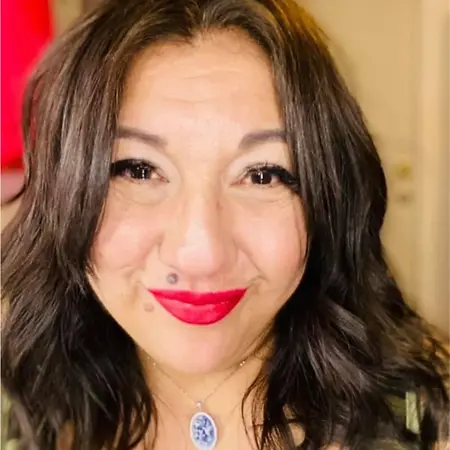
Dr. Jo Estrada is the Visit Pasadena Manager for the Pasadena Economic Development Corporation in Pasadena, Texas, where she leads the city's travel and tourism efforts as part of its broader economic development strategy. With more than 20 years of experience in community building, organizational development, and leadership, she specializes in creating partnerships, building organizations, and developing initiatives that strengthen local economies and improve quality of life.
Before joining the Pasadena Economic Development Corporation, Dr. Estrada dedicated much of her career to the nonprofit sector, supporting survivors of intimate partner violence and overseeing resident services for 50 affordable housing communities at Prospera Housing and Community Services. Since launching Visit Pasadena, she has conducted tourism landscape analyses, developed destination marketing strategies, created placemaking initiatives such as the Livin' La Vida Local Art Walk, and championed programs that support local businesses, artists, and community engagement.
Dr. Estrada holds a bachelor's degree in Psychology and a master's degree in Organizational Development and Leadership from the University of the Incarnate Word, as well as a Doctor of Social Work (DSW) in Macro Social Work from the University of Southern California. She also earned a Digital Marketing Certificate from the University of Texas at Austin McCombs School of Business and is currently pursuing her Certified Economic Developer (CEcD) designation through the International Economic Development Council.
She is an active member of the Texas Travel Alliance, Destination Texas, Texas Downtown, the Houston-Galveston Area Council, and the Texas Municipal League. Dr. Estrada credits much of her success to the mentors and leaders who invested in her throughout her career, as well as to her mother, whose resilience, strength, and unwavering determination taught her that with hard work and perseverance, anything is possible.
Her Interview
Ten minutes with Dr. Jo
01What do you attribute your success to?
I attribute my success to the incredible leaders I've had throughout my career who believed in me, challenged me, and gave me opportunities to grow. Each of them taught me something different. Some took the time to coach me through difficult decisions, others trusted me with responsibilities before I thought I was ready, and many gave me the autonomy to lead, innovate, and learn from both my successes and my mistakes. They saw potential in me, even during the times when I struggled to see it in myself.
Like many people, I've experienced imposter syndrome throughout my career. There have been moments when I've questioned whether I was qualified enough or truly belonged in the room. During those times, I leaned on the confidence my mentors had in me until I could find that confidence in myself. They reminded me that growth often comes from saying yes to opportunities before you feel completely ready.
Most of all, I attribute my success to my mom. She never once told me there was something I couldn't do. She led by example, teaching me that strength, resilience, and determination have no limits. Whether she was fixing a roof, changing an electrical outlet, or tackling a challenge others thought was impossible, she showed me that capability isn't defined by gender or circumstance. Because she never doubted me, I learned to keep believing in myself, even when I occasionally questioned my own abilities.
Those experiences have shaped the leader I strive to be today. I want to be the kind of leader who coaches rather than controls, who builds trust, gives people the autonomy to grow, encourages them to take on challenges they may not think they're ready for, and helps them see the potential in themselves before they can see it on their own. I believe one of the greatest responsibilities of leadership is creating opportunities for others to succeed, just as so many people did for me.
02What’s the best career advice you’ve ever received?
The best career advice I've ever received was to never let anyone discredit my experience. Education is important, but experience brings lessons you simply can't learn in a classroom. Every organization has its own culture, systems, and challenges, and successfully navigating those differences builds knowledge that can't be found in a textbook.
I was also encouraged to lean into my strengths by focusing on building organizations, developing teams, and creating systems that help people succeed. That advice has shaped my career and reminded me that the greatest impact often comes from helping others grow while building stronger organizations.
03What advice would you give to young women entering your industry?
Believe that your voice belongs in the room. Early in my career, I sometimes questioned whether I had enough experience or the right credentials. I learned that preparation, curiosity, and a willingness to work hard matter far more than having all the answers. Be authentic, lead with integrity, and don't be afraid to bring new ideas to the table. This field gives you the opportunity to make a real difference in people's lives and in the communities they call home. That's a responsibility and a privilege, and it's one that is incredibly rewarding.
04What are the biggest challenges or opportunities in your field right now?
One of the biggest opportunities in economic development today is that communities are realizing success is about much more than recruiting businesses. It's about creating places where people want to live, work, visit, and invest. That means economic development, tourism, placemaking, arts, workforce development, and quality of life all have to work together instead of operating in silos.
At the same time, one of our biggest challenges is doing more with limited resources. Many organizations have small teams and tight budgets, so collaboration has become essential. Building strong partnerships with businesses, schools, nonprofits, community organizations, and local governments allows us to accomplish far more than any one organization could do alone.
I believe the communities that will thrive in the future are the ones that embrace collaboration, tell their stories well, and invest in creating authentic experiences that make people proud to call them home.
05What values are most important to you in your work and personal life?
The values that guide both my work and personal life are transparency, trust, integrity, collaboration, and partnership. I believe in being honest about where you are, communicating openly, and building trust through consistency and accountability. Integrity means doing the right thing even when no one is watching, and collaboration means recognizing that no one has all the answers. I believe in surrounding myself with talented people, trusting them to be the experts in their areas, and working together toward a shared goal. The best results always come from strong relationships built on mutual respect and a willingness to support one another.
Join Influential Women and start making an impact. Register now.