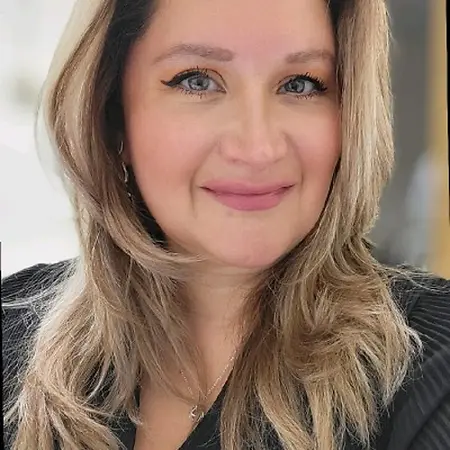
Her Story
About Elizabel
I am a dedicated behavioral health professional who has worked in Behavioral Health since 2013. In my current role at Advocate Aurora Health, I design and implement client centered treatment plans, and coordinate care across hospital and community partners to ensure continuity and measurable progress. My practice centers on relapse prevention, motivational interviewing, and trauma informed approaches that respect each person’s background and strengths.
I prioritize culturally responsive care and community engagement, partnering with local organizations to expand access to services and reduce barriers to treatment. I also support workforce development by training staff in best practices and mentoring new counselors as they transition into clinical roles. My work is driven by a commitment to empathy, accountability, and outcomes that matter to clients and their families.
Outside of direct clinical work I volunteer with recovery programs and advocate for integrated behavioral health solutions, including telehealth and community‑based supports. I bring a pragmatic optimism to my practice: I believe small, consistent steps grounded in respect and evidence create lasting change.
Her Interview
Ten minutes with Elizabel
01What do you attribute your success to?
I attribute my success to continuous learning, resilience, staying curious, adapting to new evidence, and learning from setbacks.
02What’s the best career advice you’ve ever received?
I was told early in my career to meet people where they are, listening before diagnosing, set realistic goals, and celebrate small wins.
That mindset shaped my approach to treatment planning, community outreach, and mentoring new counselors.
03What advice would you give to young women entering your industry?
I emphasize active decompression creating a deliberate transition from work to home by changing into clean clothes, taking a walk, and giving myself a few minutes to process the day. Early in my career, on my second shift as a medical advocate, I walked home from the train station feeling like a zombie; I had to learn how to leave work at work. I also remind myself not to take clients’ setbacks personally: meet people where they are, offer the tools and supports, and trust that when they’re ready for change, they will use them.
04What are the biggest challenges or opportunities in your field right now?
I see three main challenges: workforce shortages, payment and administrative barriers, and clinician burnout these make caseloads heavier and continuity harder to maintain.
At the same time there are clear opportunities: telehealth and hybrid care, integrated team models, and new treatment pathways and digital tools.
I position myself by mastering virtual care, leading team based approaches, and tracking simple outcome measures to show impact.
05What values are most important to you in your work and personal life?
I believe in practicing empathy and accountability in everything I do. Professionally, I prioritize evidence based care, cultural humility, and teamwork. Personally, I prioritize rest, boundaries, and activities that restore me. Maintaining that balance is not optional for me it’s how I sustain a long effective career and a healthy life outside of work.
Join Influential Women and start making an impact. Register now.