Her Story
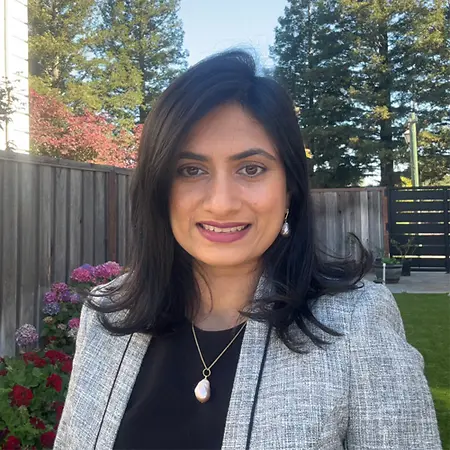
About Elizabeth
I started my career with a very different background than where I landed. I did my undergrad at Cornell University in food science and food regulatory affairs, and then I worked for Heinz for a little bit in food quality and food safety. When I moved to Santa Rosa, California, there weren't too many food companies, so I was looking for something similar to what I'd done working with regulators, but also rewarding. I met with a few people that worked in the medical device space, and it was fascinating. I decided to do the regulatory affairs certification exam - it took a couple months to study for, and you had to learn all about medical devices, drugs, and biologics. I passed and got the certificate, and that was sort of my foot in the door about 11-12 years ago into the medical device regulatory space. Since then, I've been in the medical device regulatory space for about 11 years with Medtronic. It was a wonderful time - I got to work on a lot of different high-risk medical devices directly impacting patients and really making a difference in the life of patients. I specialized in the transcatheter aortic valve implant space, doing all the regulatory strategy and support to bring those therapies in a safe and effective way to patients. We also did a lot of work on reaching more women in the cardiology space and ensuring they're getting more treatment. Now I've branched out to start something on my own. I specialize in regulatory affairs for medical devices and pharmaceuticals, and I aim to help smaller startups and medical device companies who have very clever, groundbreaking therapies. They really need help with that strategy and ensuring they have a very streamlined path to get that therapy to the market, working cohesively with regulators like FDA and the European counterpart. I'm a single-member consultant, but I do hope to support a lot of smaller pharmaceutical and medical device companies as they bring innovative therapies to patients. My undergrad was in biotech as well, so it was sort of coming back full circle to being in the patient therapy field. I do enjoy the biology side of things, and even in school, biology was something that I just loved - I always loved physiology and biology, so I had a natural pull towards that side. Everything sort of led me to this career path. Now I get to work in a variety of therapies and even drugs. There's always a new challenge - a new type of device, a new drug with a new mode of action different than something from the past. It's fun figuring out how to get that to the market.
Her Interview
Ten minutes with Elizabeth
01What do you attribute your success to?
I think persistence, for one - being persistent. The other one is being a team player. Just listening to different people, listening to all the voices on the table. You don't have to agree with them, but listen, and be open to being - don't come from a point of bias, try and be open to all voices at the table, and be a team player. I think those are the top two that have helped me succeed.
02What’s the best career advice you’ve ever received?
You have to be confident in yourself. Sometimes you always meet difficult people and difficult circumstances, and I think sometimes the tough circumstances or the difficult situations and maybe projects that you go through, those are the ones that make you stronger. If you're going through a hard time at work or in your career, there's always light at the end of the tunnel, but it's important not to give up, and to be persistent, and you end up being more confident and stronger as a result of it. The tough situations are where you grow. When things are easy, you never grow and learn, but when things are hard, that's when you learn, that's when you build character, that's when you build strength. People have told me that before - bosses have said that the hard situations are the ones that make you, and you don't quite understand it till you go through it. I have gone through those over my career - we've had some really tough projects. Sometimes communicating tough information, especially in regulatory, we do a lot of that. That's where you grow. They are hard, but you grow. And I think in any career, that's true. Sometimes the hard, tough situations where you feel like it drains you when you're there, but at the end, that's where you grow. You shouldn't shy away from doing the hard things. Sometimes push yourself, and you will grow, and you will become strong, and those are the experiences you take away and teach others.
03What advice would you give to young women entering your industry?
One thing I learned the hard way in my career - I think sometimes, as women, you're eager to please. But I would say don't be afraid to lay boundaries and kind of draw the line, whether it's setting times you're comfortable working around, whether it's making time, setting work-life balance with your family. Don't be afraid to advocate for what you want and what you need. And then the second thing I will say is ask for what it is, and I've been telling multiple women this - ask for what you want. Be clear with your expectations and where you want to go in your career. Because if you don't ask, nobody will give it to you, and people take you for a doormat. It doesn't matter how much work you do, you need to be advocating for what you want, and kind of highlighting all the work you've done, and where you want to go. If you don't do it, nobody else will do it for you.
04What are the biggest challenges or opportunities in your field right now?
I think there's a lot of growth in this field. The advantages of working in the career I have is there's never a dull moment, you're always learning, and then there's a clear career trajectory, which is great. If you're in regulatory in a company, there is a clear path for growth. If you came in entry level, as long as you put in the work and you have a life science background, you should have a clear pathway of growth to principal or senior principal in any company. But I think beyond that, getting into leadership or getting into manager, director, senior director - those are a little more tricky. To get a manager role, you need some management experience, and often it's hard to get that unless you're given that opportunity. So I say sometimes it's also building the right mentorships along the way, where people will advocate for you. As you grow in your career, you want to develop mentors in your business that can speak for you and vouch for you in a leadership role, despite not having that experience maybe. You need to build your mentors along the way so that they can vouch for you and give you those roles when the opportunities arise, because they will - there will be opportunities, but not everyone will get the chance. Sometimes you have to advocate for yourself and also have mentors that can vouch for you to get that role. You want to make sure that you build that rapport with decision makers over time.
05What values are most important to you in your work and personal life?
Honesty, trust, just being transparent. I think that's sort of what I'm taking into my career - just be your true self and value your true self. Be true to who you are. Sometimes it's hard - even as you grow in leadership, you feel like you need to emulate somebody else's leadership style, but I would say know yourself, and know who you are, and make sure your authentic self comes out wherever you are. That's when you become your unique person, and people value you for that. Don't try and be someone else, but have faith in yourself, and stick to what you believe in. My values would be transparency, truthfulness, being high integrity. Especially in the field I am, I think all those are - you really need to be that voice when you're in regulatory, and you want to stand for high ethics.
Join Influential Women and start making an impact. Register now.