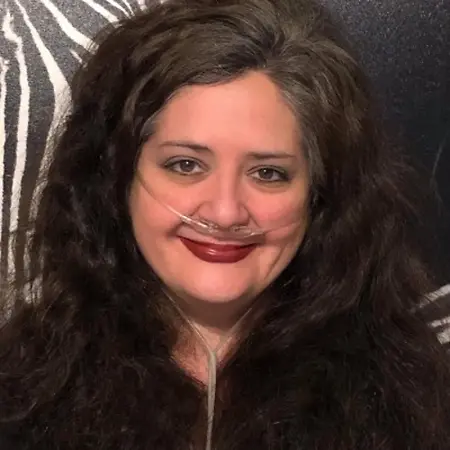
Her Story
About Elizabeth
My journey into rare disease advocacy began in 2012 when I was working as a bedside nurse and started experiencing unexplained symptoms. It took more than 10 years from onset to diagnosis, and through that journey, I searched for answers everywhere, even traveling out of state to Johns Hopkins to see specialists. Sadly, at that time, there were few resources about my rare disease. Through sharing my testimony about the hurdles and struggles I encountered, a fierce passion ignited within me to get involved in building innovation that not only makes rare diseases visible in healthcare, but is also designed to give back, grant wishes, and fund clinical innovation for people with rare diseases. I spent several years connecting with rare families and sitting down with about 500 rare disease nonprofits and their leaders to understand the problems they faced, not only in the community but in healthcare. I also met with people in the medical field to ensure that anything I helped build would be beneficial for them. I fell through the cracks myself and developed heart failure and pulmonary hypertension. The day the doctor walked in and said 'we can't fix this, this is forever' was devastating to me. I prayed about it, because I'm a person of faith, and I said, use me in a mighty way. I can still make some difference for the time I have left, so let me use my knowledge to make an impact to give back to these rare families. On that day, the floodgates opened wide, and that's when all these other things started to happen. I've done all this as a volunteer because I love my rare community, and I really want to help so that no one else has to die from a preventable complication.
Her Interview
Ten minutes with Elizabeth
01What’s the best career advice you’ve ever received?
Every day is an opportunity to learn, and you shouldn't be discouraged. Every single hurdle or barrier is an opportunity to learn, and from that, you can build upon that experience to do something powerful. It's important to share your journey as you meet people and let them know about the road to get there, because when they understand and see the passion, oftentimes they're more willing to help. Take time to connect, hold a hand, and listen. You never know what someone else is going through, or who they're connected with. You might just strike a chord that opens the door to a whole new opportunity, but you won't ever know if you never take a chance. Step out in faith, share your journey, and don't get discouraged, because everybody goes through difficult moments. It's how you traverse those difficult moments that becomes your greatest testimony for others. In my case, it's my faith. God has been so good to me, and that is what keeps me calm and steady in the storm.
02What advice would you give to young women entering your industry?
I would tell them that the rare journey is complex, and we welcome so many young minds to come learn about rare diseases, because it's so important and can make a positive difference. There are numerous areas, not only in bedside care, but also in data review, in medical education, and in research, so there are many opportunities and many career paths they could potentially plug into. It's an exciting field that's growing. I would encourage anyone going into the medical space, if they are a young person, to really plug in and learn about the rare journey. It might surprise them, and they might end up choosing to go into a career path in the rare space. One in 10 is usually impacted by rare disease, so chances are someone in your own family could be affected later, and it is important to know where to go find resources. If you are interested in it, it's a great field to pursue with numerous opportunities to explore.
03What are the biggest challenges or opportunities in your field right now?
Some of the biggest challenges are that there are numerous sources of data, and they don't talk to each other. There are challenges with paywalls and barriers that have been put up in the past. There are challenges in industry, even sometimes, with an imbalance in what we do for patients. When patients are going through a rare journey, they should be able to come speak about it without having to pay the cost of travel to and from an event, in addition to paying for the complex journey of their child or their loved one. Sometimes we need to be mindful about what we're asking families to do and make sure that they're protected in all things. Another challenge is that in the clinic space, we need to get better about providing evidence-based information that medical teams can look at to help in diagnosis and connecting patients with next steps in care, because a lot of people fall through the cracks, just like me, with heart failure and pulmonary hypertension, because common complications are not caught early on. Sometimes, knowing about rare disease is scary, but in all honesty, primary care and every specialty needs to learn about rare diseases, because all rare diseases are connected to common complications that they treat every single day. I think we can dispel some of their fear if we just provide them and equip them with better tools to address that. Traditionally, rare disease nonprofits are usually started by moms and dads who are passionate about their child or someone they love with a rare disease. The small ones traditionally lack adequate funding to move forward, or do anything big, or have a trial, because there's no medicine, there's no trial, or they can't get to trial because it's such a small area that they just can't get the funding.
04What values are most important to you in your work and personal life?
The values that are most important to me are giving back, my relationship with Jesus and God, transparency, and accountability. Networking is also important, surrounding yourself with a village of people that are in support of your mission. It's okay to not be okay. We live in a culture where everyone's expected to show up, smile, and be great, but you know what? Everybody has a bad day. It's okay to not be okay, and when you're not, tell somebody so we can get connected to good resources to help you get better. Back when we started, you never heard anyone working in medicine stepping forward to share they had a rare disease because they were afraid of pushback, and now there are so many more that are becoming empowered to talk about it because we're making it part of the normal conversation.
Join Influential Women and start making an impact. Register now.