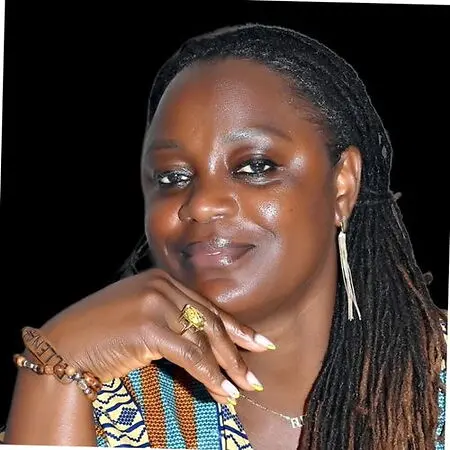
Influential Woman · Healthcare
Ellena Kaine-George, MHA, CPCHE
CPCHE
Sr. Health Equity Coach, Children's Minnesota
Big Lake, MN 55309
Her Story
About Ellena
Ellena Kaine-George, MHA, CPCHE, is a dedicated Sr. Health Equity Coach at Children's Minnesota, where she champions initiatives aimed at reducing health disparities and advancing inclusive practices. With extensive experience in clinical and administrative coaching, Ellena partners with organizational leaders to embed equity into policies, programs, and patient care practices. She provides mentorship to emerging health equity professionals, helping foster leadership and drive systemic improvements that ensure equitable care for all patients, particularly those from marginalized communities, including patients of color, American Indian, LGBTQ individuals, and those with disabilities.
Throughout her career, Ellena has led efforts to integrate data-driven approaches with community-informed strategies, developing actionable solutions to improve patient outcomes and experiences. She collaborates across departments, including Equity & Inclusion, Risk & Compliance, Child & Family Services, and professional development teams, to address systemic inequities and cultivate an organizational culture centered on belonging, inclusion, and social responsibility. Ellena also serves as a health equity expert on the organization’s Institutional Review Board (IRB), guiding research to ensure equitable considerations for diverse populations.
Ellena’s professional journey is supported by her Master’s and Bachelor’s degrees in Health Care Administration and Management from Saint Mary’s University of Minnesota. Certified as a Professional in Clinical Health Equity (CPCHE), she combines her academic knowledge with hands-on experience in advocacy, policy transformation, and community engagement. Beyond her role at Children’s Minnesota, Ellena serves as a Council Member for the Council for Minnesotans of African Heritage, advising on legislative and community initiatives that promote social and economic equity across the state.
Her Interview
Ten minutes with Ellena
01What do you attribute your success to?
I attribute my success to the journey that began as a dialysis technician. Spending long hours with patients facing chronic, life-altering conditions opened my eyes to the systemic inequities in healthcare. I witnessed firsthand how cultural barriers, access gaps, and communication challenges can profoundly shape outcomes. It was in those moments that my passion for health equity truly took root.
As the only certified health equity professional in my organization, I see my role as both an honor and a responsibility. I earned my credential through the Institute for Healthcare Improvement, and my work now centers on BSI coaching, family advocacy, and ensuring that our policies and practices uplift underserved communities. My goal is simple but vital: to ensure every patient—not just those who navigate the system easily—receives the care, respect, and dignity they deserve.
I was honored to be appointed by Governor Tim Walz to the Council for Minnesotans of African Heritage, where I contribute to shaping state-level policies around equity and community wellbeing. Additionally, I’ve dedicated 18 years to the Bong Kwatekeh nonprofit organization here in Minnesota, including nearly a decade as board chair. That work keeps me grounded, reminding me every day who I am advocating for and why this mission matters.
02What’s the best career advice you’ve ever received?
The best career advice I’ve ever received came through the guidance of mentors throughout my journey—from my early days as a dialysis technician to my current role as a senior health equity coach. My manager, Adriene, has consistently pushed me to excel, but every mentor has reinforced a central lesson: advocate for your patients, believe in your abilities, and lead with intention. I’ve learned that mentorship isn’t just about giving advice; it’s about modeling integrity and showing that meaningful change is possible.
03What are the biggest challenges or opportunities in your field right now?
One of the biggest challenges in my field is resistance. Whenever we focus on historically marginalized communities, there are those who suggest we’re giving “too much” attention to one group. But disparities don’t disappear by ignoring them. I’ve learned that belief, intentionality, and building authentic alliances are essential—equity isn’t a solo mission.
At the same time, there are meaningful opportunities to create real change. For example, understanding your rights shouldn’t depend on whether English is your first language. We’re translating our patient bill of rights into multiple languages so families can advocate for themselves confidently. It’s a small change, but one that can have a significant impact.
04What values are most important to you in your work and personal life?
The values that guide me in both my work and personal life are rooted in a deep belief that every patient—regardless of their background, language, or circumstance—deserves the same level of dignity, care, and respect. I approach equity not as a buzzword but as a daily practice, whether advocating for families or revising policies to eliminate disparities.
My years in direct patient care shaped my core philosophy: lead with empathy. I believe that true healthcare begins with listening, understanding, and honoring each person’s lived experience.
My career growth—from dialysis technician to senior health equity coach—reflects a commitment to continuous learning, certification, and professional development. I embrace new challenges as opportunities to expand my impact and create meaningful change for the communities I serve.
Join Influential Women and start making an impact. Register now.