Her Story
About Emily
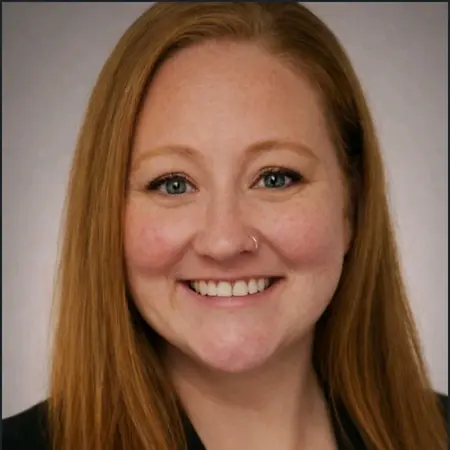
Emily Nelson is a Licensed Alcohol and Drug Counselor based in South Central Minnesota, with over four years of professional experience supporting individuals navigating substance use disorder recovery. She is known for her compassionate, ethical, and patient-centered approach to counseling, grounded in a belief that healing is most effective in safe, structured, and trusting environments. Emily’s work is informed by her own lived experience in recovery, which began when she chose to rebuild her life after overcoming addiction in her early 30s and dedicating herself to helping others find the same path forward. In her clinical role at Beauterre Recovery Institute, Emily worked closely with a caseload of individuals in both residential and outpatient settings, providing psychoeducation, individual counseling, and group therapy. She integrates the 12 core functions of addiction counseling into comprehensive, individualized treatment planning, ensuring each client receives ethical and tailored care. Currently pursuing her Master of Arts in Clinical Mental Health Counseling at Bethel University, she is advancing toward licensure as a Licensed Professional Clinical Counselor (LPCC), further expanding her ability to serve clients through deeper clinical practice. Beyond her professional responsibilities, Emily is deeply committed to personal growth, authenticity, and advocacy. She was selected to be featured in Influential Women for 2026, where she shared her journey of resilience, her goals of opening a private practice, and her interest in integrating holistic perspectives into future counseling work. She is also a dedicated caregiver, having taken on significant family responsibilities, and remains passionate about supporting women, individuals in recovery, and underserved communities. Guided by perseverance and honesty, Emily continues to inspire others by encouraging them to embrace their true selves and pursue healing without compromise.
Her Interview
Ten minutes with Emily
01What do you attribute your success to?
I attribute my success to resilience, determination, and a continual desire to grow and learn. Throughout my journey, I have faced challenges that required perseverance and adaptability, and those experiences have strengthened both my personal and professional development. I believe my willingness to keep pushing forward and remain open to learning has been a key part of my success.
02What’s the best career advice you’ve ever received?
My grandma always used to say, “Find something you love and you’ll never work a day in your life.” I don’t think she meant work would always be easy. I think she meant that when what you do feels meaningful and connected to who you are, the hard days still feel worth it. The older I get, the more I realize I’m not meant for work that’s only about a paycheck or climbing a ladder. I need work that allows me to help people, be creative, connect deeply, and keep learning and growing. A lot of my life experiences, both the difficult and meaningful ones, have shaped the way I see people and the kind of work I feel drawn to. I’ve learned that purpose matters more to me than status, and authenticity matters more than perfection. I want my career to leave room for compassion, curiosity, and being fully human, because those are the things that make the work feel real and sustainable for me.
03What advice would you give to young women entering your industry?
My advice to young women entering this industry is to persevere and continue believing in themselves, even when faced with obstacles or doubt. Do not shrink yourself or dim your light to make others comfortable. Your voice, talents, and unique perspective matter, and you should allow your gifts and presence to shine confidently and authentically.
04What are the biggest challenges or opportunities in your field right now?
The biggest challenges and opportunities in the behavioral health field right now are really one and the same. The amount of documentation requirements, regulations, productivity expectations, and administrative tasks can feel overwhelming and are contributing heavily to burnout among providers. Many clinicians are spending almost as much time documenting care as they are actually providing it, which can take away from the human connection that brought most of us into this work in the first place.
At the same time, I think this creates a huge opportunity for growth and reform within the field. There is a growing awareness that the current system is not sustainable for providers or clients, and I believe meaningful change starts with professionals being willing to have honest conversations about what is and is not working. I think there is a real opportunity for collaboration, innovation, and more creative approaches that balance ethical and regulatory standards with the need for authentic, person-centered care.
05What values are most important to you in your work and personal life?
The values that are most important to me in both my work and personal life are resilience, perseverance, authenticity, and growth. I also place great importance on helping others, particularly individuals affected by addiction and women who need encouragement, guidance, or support. I believe meaningful work comes from making a positive impact in the lives of others while remaining true to who you are.
Join Influential Women and start making an impact. Register now.