Her Story
About Erika
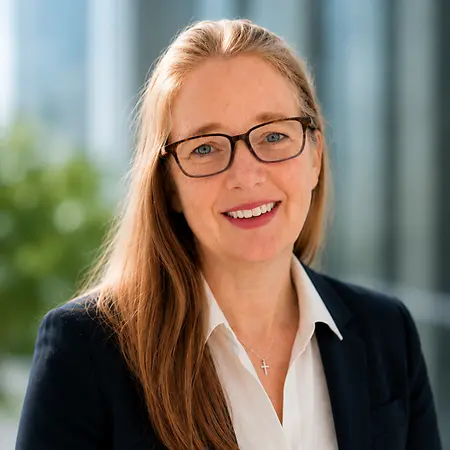
Erika Miner is a nonprofit leader dedicated to expanding access to housing resources and supporting individuals experiencing or at risk of homelessness across Idaho. As the Region 2 Access Point Director for the State of Idaho, with her office housed at Sojourners Alliance, she oversees the regional point of contact serving five counties. In this role, she manages client intake, crisis triage, eligibility screening for state and federal housing assistance programs, and coordinated referrals to community partners. Guided by her core values of dignity, humility, and grit, Erika is committed to helping individuals and families move toward long-term housing stability through collaboration, compassion, and practical solutions. Erika's career reflects a unique blend of healthcare, emergency services, and nonprofit leadership. Before transitioning into homelessness and housing services, she spent 18 years as a Licensed Practical Nurse and also served as a police and emergency dispatcher, experiences that strengthened her crisis management, communication, and advocacy skills. She later managed transitional housing programs at In My Shoes, a maternity home serving pregnant women in Dallas, where she refined her leadership philosophy and commitment to serving vulnerable populations. Her diverse professional background enables her to approach complex housing challenges with empathy, strategic thinking, and a multidisciplinary perspective. A graduate of Boise State University, Erika earned her Bachelor of Arts in Multidisciplinary Studies with a Business Bridge to Career Certification in 2021 after redirecting her career path from nursing to nonprofit management. While at Boise State, she served as the ASBSU representative for non-traditional students, advocating for greater access to educational opportunities. Erika credits the guidance of Dr. Crenshaw, who encouraged her to build experience from the ground up in the field she aspired to join, as a defining influence on her career. Her dedication has earned statewide recognition, including her Region 2 Access Point being named the "Findings to Flawless" award for most improved access point at a Housing Idaho Coalition conference, reflecting her commitment to continuous improvement, servant leadership, and meaningful community impact.
Her Interview
Ten minutes with Erika
01What do you attribute your success to?
I attribute my success to the core values that guide my life—dignity, humility, and grit. I also believe my strong work ethic, shaped by an independent upbringing, has taught me that determination and hard work can overcome gaps in experience or skill. Equally important has been my willingness to keep learning from others and to embrace every opportunity for personal and professional growth.
02What’s the best career advice you’ve ever received?
The best career advice I received came from Dr. Crenshaw at Boise State University, who encouraged me to start at the bottom in my desired field rather than trying to skip ahead to leadership positions. Building a strong foundation through hands-on experience gave me the knowledge, perspective, and credibility that have been essential throughout my career in homelessness services.
03What advice would you give to young women entering your industry?
I would encourage young women to balance strength with empathy and to remain committed to continuous learning. Don't be afraid to start at the beginning and gain the hands-on experience needed to build a strong foundation. If you encounter obstacles, be willing to adapt and pivot when necessary. Every challenge presents an opportunity to grow, and staying open to learning from others will help you make a meaningful impact.
04What are the biggest challenges or opportunities in your field right now?
One of the biggest challenges in my field is adapting to changing federal funding requirements and evolving regulations for homelessness programs. Organizations must continually adjust their grant applications, compliance practices, and operations to meet new expectations, including enhanced fraud detection measures. While these changes create additional complexity, they also present opportunities for organizations that are prepared to adapt, strengthen their processes, and continue delivering high-quality services to their communities.
05What values are most important to you in your work and personal life?
The values that are most important to me are dignity, humility, and grit. I believe every individual deserves to be treated with dignity and respect, especially those experiencing homelessness. Humility keeps me open to learning and growing as a leader, while grit gives me the perseverance to overcome challenges and remain focused on serving others. These values have become the foundation of both my personal life and my professional leadership.
Join Influential Women and start making an impact. Register now.