Influential Woman · Education
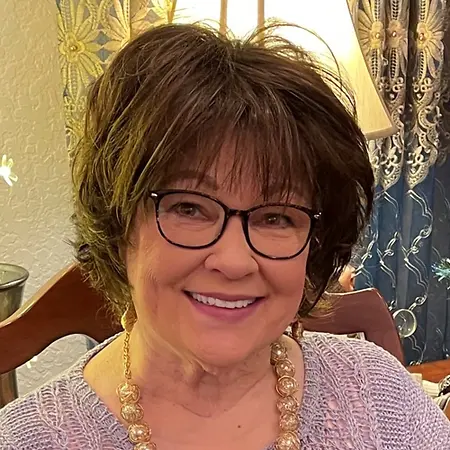
Faith Renae Regh Gilbert
Adjunct Faculty Member, Dr. Faith Gilbert
Libby, MT 59923
Her Story
About Faith
Dr. Faith Gilbert, Ph.D., is a passionate educator and speaker specializing in brain-based leadership training. She is a dedicated educator in higher education, known for her roles as an adjunct faculty member, mentor, curriculum designer, and speaker. She brings a rich background in leadership development, driven by her belief in the power of education to cultivate ethical leaders, reflective thinkers, and compassionate self-leaders. Dr. Gilbert believes deeply in the potential of education to inspire both personal and societal change. She is committed to helping individuals develop the skills necessary to lead themselves with integrity and awareness, enabling them to contribute meaningfully in various spheres, from organizations to communities and beyond.
With a strong track record, Dr. Gilbert has designed and taught courses at institutions like Liberty University, Wright State University, Kennesaw State University, and Gonzaga University. Her courses focus on leadership, organizational behavior, business, and psychology. She combines evidence-based leadership theory, social constructivism, and educational neuroscience in her teaching, fostering engaging, safe, and intellectually stimulating learning environments. Her teaching approach creates learning environments that are relational, psychologically safe, and intellectually rigorous. She empowers students to co-construct knowledge that is relevant and transformative, guiding them to connect theory with real-world applications. In addition to her teaching,
Dr. Gilbert encourages her students to actively engage in the learning process, ensuring that the knowledge they acquire is relevant and transformative. She helps them connect theoretical concepts to real-world situations, enriching their educational experiences and preparing them for life's challenges. She is deeply committed to the belief that education can cultivate ethical leaders, reflective thinkers, and compassionate self-leaders. Her work focuses on helping individuals develop the skills to lead themselves with integrity and awareness, empowering them to make meaningful contributions across organizational, community, and global contexts.
Dr. Gilbert has served as an IRB compliance coordinator, research project chair, and academic mentor, supporting undergraduates as well as doctoral candidates in research methodology, data analysis, and professional development. Across all roles, she fosters inclusive, supportive, and human-centered learning experiences that encourage students to explore not only what they know but who they are becoming. Her work is driven by a commitment to continuous learning, collaborative innovation, and the transformative potential of education.
Faith is committed to professional growth which not only benefits her personal career but also contributes positively to the academic community and the learners she will ultimately serve. She is currently pursuing a second doctorate as an Education Specialist (Ed.S.), to deepen her understanding of course design and pedagogy, enabling her to create more effective and engaging learning experiences for students.
With a deep understanding of the brain's intricacies, Dr. Gilbert brings a wealth of knowledge to her teaching and speaking engagements. Whether you're looking for an engaging speaker, an insightful course designer, or a skilled facilitator, Dr. Gilbert offers expertise tailored to your needs. Her dynamic presentations and courses delve into how understanding the brain can enhance leadership skills, foster innovation, and improve decision-making processes. To collaborate or learn more, reach out to Dr. Gilbert at dr.faithgilbert@gmail.com.
Her Interview
Ten minutes with Faith
01What do you attribute your success to?
I attribute my success to resilience, intellectual curiosity, faith in God and in taking my own path. Returning to school later in life after experiencing trauma and battling disabilities required courage, and it taught me the value of perseverance. I credit my willingness to question traditional boundaries in leadership studies and to persist even when my research ideas were initially dismissed as key factors in shaping my journey.
I feel my journey is a testament to the power of courage, grit, perseverance, and the pursuit of lifelong learning. Earning my degrees later in life was a rewarding personal achievement and hopefully an inspiring story for others who may feel it's too late to chase their dreams.
Education is indeed a timeless gift—one that has enriched my life and opened new doors, despite my age. By embracing educational opportunities, I've not only gained invaluable knowledge and skills but also set an example of resilience and determination. I believe that learning is a lifelong journey, and the wisdom gained is truly a possession that no one can ever take away.
02What’s the best career advice you’ve ever received?
The best career advice I’ve ever received is to trust my instincts, pursue work that I feel truly called to do—even if it doesn’t fit a traditional mold—and not let self-doubt or the doubts of others limit what I know is possible.
03What advice would you give to young women entering your industry?
My advice to young women entering this industry is that it is never too late to start over, redefine what success means to you, or pursue further education. Your lived experience is an asset, not a liability, and the story you carry may inspire others in ways you don’t even realize.
04What are the biggest challenges or opportunities in your field right now?
Some of the biggest challenges in my field include the instability and limited benefits often faced by adjunct professors, as well as resistance to interdisciplinary research approaches. At the same time, there are significant opportunities, particularly in expanding trauma-informed leadership education, engaging in public speaking, pursuing authorship, and teaching others how insights from neuroscience can transform leadership practices and organizational culture.
05What values are most important to you in your work and personal life?
The values I hold most important in both my work and personal life are integrity, service, lifelong learning, humility, and compassion. I deeply treasure my spiritual life and believe that healing—both personal and collective—has the power to transform leadership and strengthen communities. Outside of work, I enjoy writing, playing the piano, reading, watching football with my husband, and spending time with my family.
Join Influential Women and start making an impact. Register now.