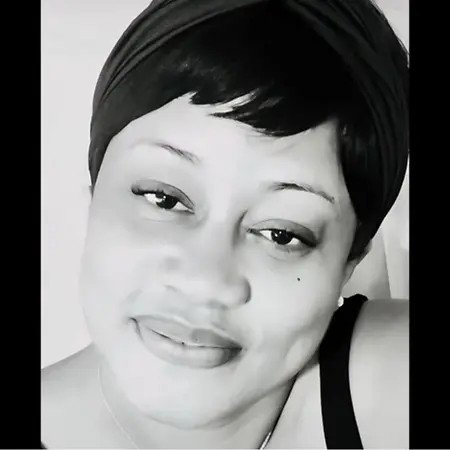
Success found me later in life. "Solitude became my mentor" and I turned my pain into power and learned that success comes with divine timing.
Letting Go of the Timeline
Explore moreAfter being hazed in a new role despite 8 years in the organization, I focused on my purpose, ignored the negativity, and rebuilt my reputation over 25+ years as a "Difference Maker".
Felicia Boone · In Her Own Words
Success found me later in life. "Solitude became my mentor" and I turned my pain into power and learned that success comes with divine timing.
Letting Go of the Timeline
Explore moreHer Story
Felicia Boone is a longtime educator and transition services specialist with the NYC Department of Education, where she has dedicated more than 25 years to supporting students with special needs. She began her career in 2001 after a major career change, entering special education without a formal background in teaching. With the support of the principal who saw her potential, she stepped into the classroom and quickly adapted to working with students whose needs were new and challenging to her at the time. Over the years, she built a strong foundation in special education through persistence, mentorship, and a deep commitment to student growth. After eight years in the classroom, Felicia transitioned in 2009 into a newly created role as a Job Developer and Transition Team Leader, a shift that aligned more closely with her strengths and passion for nurturing others. In this position, she moved beyond direct instruction to focus on helping students and families prepare for life after high school. She works closely with students with disabilities, ages 14 to 22, guiding them through transition planning, workplace readiness, and post-secondary exploration. Her responsibilities include coordinating job placements, organizing work-based learning opportunities, and building partnerships with community agencies. Today, Felicia leads programs centered on pre-employment transition services, summer youth employment and internships while also supporting families in developing long-term plans for their children’s futures. Much of her work focuses on building confidence, self-advocacy, and essential soft skills that prepare students for adulthood. She continues to stay connected with many of her students even after graduation, offering on-going support as they navigate employment and independent life. Her career reflects a lasting commitment to helping young people find direction, purpose, and opportunity beyond the classroom.
Her Interview
01What do you attribute your success to?
I attribute my success to having a genuine passion for helping others. That's really the key for me. I'm a natural nurturer, especially with working with our students and families. Demonstrating organization skills and being detail-oriented have been critical because there's so much paperwork and coordination involved in what I do. I've also had to develop strong networking skills to gain business partners and create opportunities for our students. Having stamina is important too, because we don't just sit back and allow the kids to just do the work - we're actually out there at the worksites preparing care packages, standing and working alongside them. You need to have drive and ambition, and you can't let anyone dim your light. Most importantly, you have to understand the students' family situation and dynamic because when they leave school, they face very challenging conditions at home. I've seen and heard a lot, and I try to help even though sometimes it's hard. You have to have a thick skin because their situations pulls on your heartstrings. But having great people in my life who helped me stay focused, and maintaining that passion for the children and helping others, has been what's kept me going for 25 years.
02What’s the best career advice you’ve ever received?
The best career advice I’ve ever received is the importance of building strong community relationships, working collaboratively, and remaining open to learning from others who are equally committed to supporting students and families. I’ve found that success in this field is not achieved in isolation, but through shared purpose, meaningful partnerships, and a willingness to listen, grow, and learn from those around me.
03What advice would you give to young women entering your industry?
The advice I would give to anyone starting off in this field is that you have to have a passion to want to help others. That's the key. Not just that they're children or young adults, but you have to have a genuine passion to want to help, because that's what the bulk of the job is. You're always in the help mode, always nurturing these children. You have to be organized and detail-oriented. You have to have a personality that allows you to network and gain business partners, so you need to learn those skills. You have to have stamina, because when we go to these work sites, we actually work with the kids. We stand, we do the care packages, and we're out there in the field with them. I don't just sit there and let them do the job. You have to have drive and ambition, and don't let anyone dim your light. There have been times where a lot of people wanted my position, and there were times where people tried to not have my light shine. So you have to keep that in mind - that's just the workplace environment. You also have to understand the families and their situations and circumstances, because sometimes when the kids leave school, we're a safe space for them, and when they go home they face conditions that are very challenging. I've seen a lot, I've heard a lot with the kids, and you try to help, though sometimes it's hard. You have to have a thick skin to work in this field because it pulls on your heartstrings a lot. But above all, you have to have a passion for the children and to help others.
04What are the biggest challenges or opportunities in your field right now?
One of the biggest challenges in my field is helping students and families navigate complex and often difficult life circumstances while ensuring that young people are still able to successfully transition into adulthood, employment, and independent living. Many of the students I work with face academic, social, or personal barriers that require not only structured support, but also patience, advocacy, and consistent encouragement.
At the same time, I see tremendous opportunity in expanding community partnerships, strengthening advocacy efforts, and developing more accessible employment and transition programs. When schools, families, agencies, and employers work together, we are able to create meaningful pathways that empower students—especially those with disabilities or from underserved backgrounds—to build confidence, gain real-world experience, and achieve long-term success beyond the classroom.
05What values are most important to you in your work and personal life?
The values most important to me are having a genuine passion for helping others and being a natural nurturer. Service is central to who I am - I volunteer in the community making hygiene care packages for the needy about three times a year, and I've worked at soup kitchens since 2009. Faith is also very important to me - I like to read the Bible, meditate on the word and go to worship at church. I also value journaling as a way to process my experiences, and I'm actually in the process of publishing a healing journal. In my work, I believe strongly in advocacy for students and families, understanding their challenging circumstances, and being a safe space for the young people I serve. I value perseverance and not letting anyone dim your light, even when others may try to hold you back. Compassion is essential because working with students with disabilities and difficult home situations pulls on your heartstrings, but that's what drives me to keep helping them succeed and prepare for life after high school.
Join Influential Women and start making an impact. Register now.